
Appetizer

This is default featured slide 1 title

Go to Blogger edit html and find these sentences.Now replace these sentences with your own descriptions.This theme is Bloggerized by Lasantha Bandara - Premiumbloggertemplates.com.

This is default featured slide 2 title

Go to Blogger edit html and find these sentences.Now replace these sentences with your own descriptions.This theme is Bloggerized by Lasantha Bandara - Premiumbloggertemplates.com.

This is default featured slide 3 title

Go to Blogger edit html and find these sentences.Now replace these sentences with your own descriptions.This theme is Bloggerized by Lasantha Bandara - Premiumbloggertemplates.com.

This is default featured slide 4 title

Go to Blogger edit html and find these sentences.Now replace these sentences with your own descriptions.This theme is Bloggerized by Lasantha Bandara - Premiumbloggertemplates.com.

This is default featured slide 5 title

Go to Blogger edit html and find these sentences.Now replace these sentences with your own descriptions.This theme is Bloggerized by Lasantha Bandara - Premiumbloggertemplates.com.

https://www.revenuecpmgate.com/yj8ggweh?key=9fe6e6535d5366935b39c292b051aefb

savory scribles

Swap White Rice for Quinoa to Stabilize Blood Sugar Levels
 

Swap White Rice for Quinoa to Stabilize Blood Sugar Levels

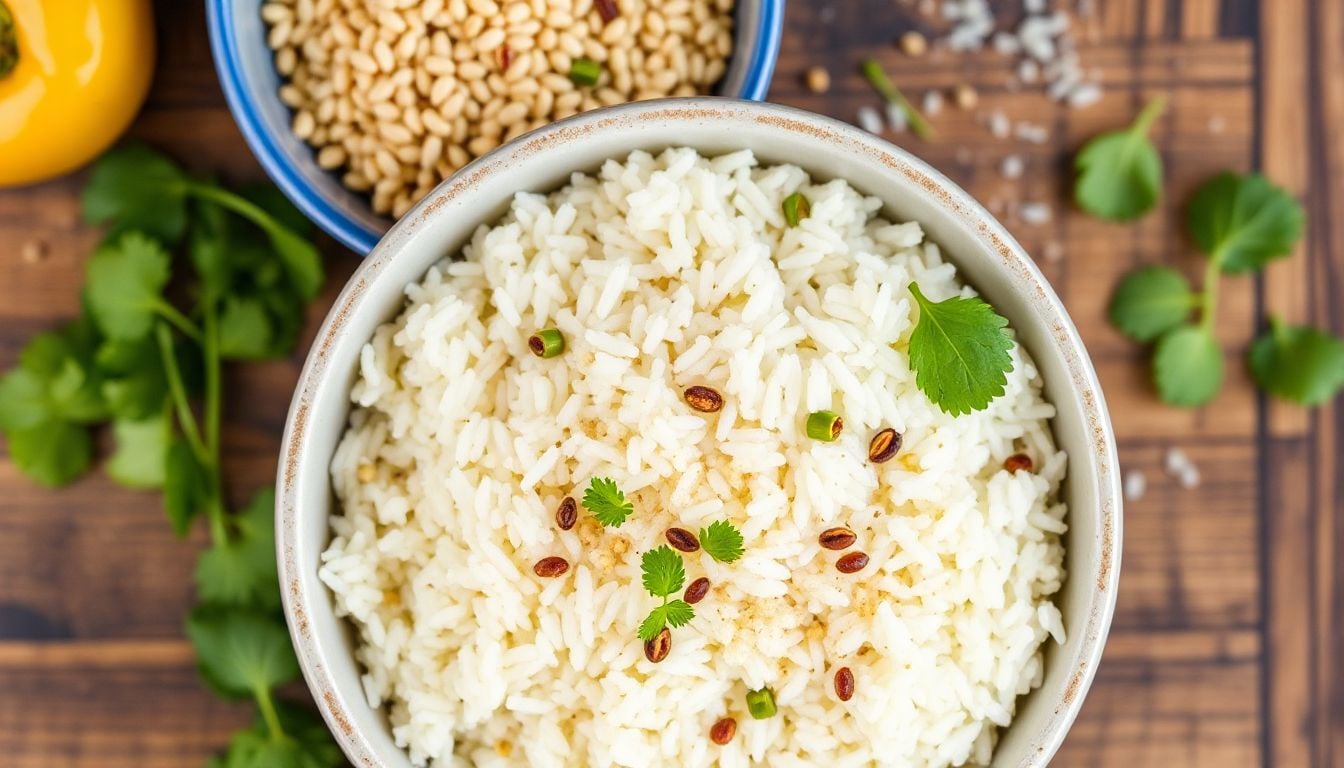
A vibrant bowl of fluffy quinoa mixed with fresh veggies, placed beside a plain scoop of white rice, highlighting the smart swap for steady energy.

Picture this: You dig into a big plate of stir-fried rice for lunch. An hour later, you're slumped at your desk, fighting off a wave of tiredness. That crash hits hard, right? It stems from blood sugar spikes that white rice often triggers. With diabetes affecting over 422 million people worldwide, according to the World Health Organization, more folks seek ways to keep levels steady. Enter quinoa, a tiny seed packed with goodness that delivers even energy all day. Swapping white rice for quinoa to stabilize blood sugar levels can change your routine and boost your health in simple ways.

Why White Rice Spikes Blood Sugar and Why It Matters

The Glycemic Impact of White Rice

White rice has a high glycemic index, around 70 to 89. This means it breaks down fast in your body. Blood sugar shoots up quickly, prompting a rush of insulin to pull it back down. The result? A sharp drop that leaves you drained.

Refined processing removes the bran and germ from rice grains. This strips away fiber and key nutrients. A study in the American Journal of Clinical Nutrition links such diets to higher type 2 diabetes risk. People who eat lots of white rice face up to a 55% greater chance of developing the condition over time.

Health Risks of Frequent Blood Sugar Fluctuations

Constant ups and downs wear on your body. They raise the odds of gaining weight, as insulin pushes extra sugar into fat cells. Fatigue becomes a daily drag, making it tough to stay active.

Over years, these swings increase heart disease chances too. Inflammation builds up, harming blood vessels. To spot this in your life, grab a basic glucose monitor. Test after meals with white rice, then note how your energy dips. It's eye-opening.

Real-World Prevalence of Blood Sugar Issues

Diabetes touches one in ten adults globally. In places like Asia, where rice stars in most meals, prediabetes rates climb fast. The Centers for Disease Control reports over 88 million Americans have prediabetes alone.

Carb-loaded diets fuel this trend. White rice, a staple in many homes, adds to the load. Simple changes, like picking better grains, help curb the rise. You can join the shift toward steadier blood sugar control right now.

Nutritional Profile of Quinoa: A Blood Sugar-Friendly Superfood

Key Nutrients in Quinoa That Support Stable Blood Sugar

Quinoa stands out as a complete protein, offering all nine essential amino acids your body needs. One cooked cup gives about 8 grams of protein. It beats white rice, which lacks these building blocks.

Fiber shines here too, with 5 grams per cup. This slows how sugar enters your blood. Quinoa's glycemic index sits at 53, much lower than white rice's score. It keeps levels even, avoiding wild rides.

Magnesium and iron add perks. They aid energy use and fight tiredness. Swap white rice for quinoa, and you gain a powerhouse that nourishes without the crash.

How Quinoa's Fiber and Proteins Work Together

Soluble fiber in quinoa turns to a gel in your gut. This traps sugars, releasing them slowly. Proteins join in, taking time to digest and further steady the flow.

Dietitian Joy Bauer notes in her book "From Junk Food to Joy Food" that quinoa's mix helps with glycemic control. It curbs hunger too, so you eat less overall. Think of it as a gentle brake on blood sugar surges, unlike white rice's quick sprint.

Sourcing and Preparing Quinoa for Maximum Benefits

Look for organic quinoa in bulk at stores like Costco to save money. It costs less than fancy rice types, often under $5 per pound.

Rinse it well under cold water to wash off bitter saponins. Use a 1:2 ratio—one part quinoa to two parts water. Bring to a boil, then simmer for 15 minutes until tails sprout. Fluff and serve; avoid overcooking to keep fiber intact.

Store extras in an airtight jar in the fridge for up to five days. This makes weekly prep easy. Your blood sugar thanks the effort.

The Science Behind Swapping for Better Blood Sugar Control

Studies Showing Quinoa's Glycemic Advantages

A 2017 study in the Journal of Nutrition found quinoa boosts insulin sensitivity in folks who carry extra weight. After 12 weeks, participants saw better blood sugar responses. White rice trials showed the opposite—higher spikes and poorer control.

Another report from the Diabetes Care journal highlights whole grains like quinoa lower diabetes risk by 20% to 30%. They replace refined carbs effectively. This swap white rice for quinoa proves its edge in real tests.

Metabolic Differences: Digestion and Energy Release

Quinoa's complex carbs digest over hours. They release glucose bit by bit, fueling you steadily. White rice's simple carbs hit fast, like a sugar bomb.

Imagine digestion as a slow hike versus a sprint. Quinoa lets you go the distance without huffing. For visuals, picture a timeline: white rice peaks blood sugar in 30 minutes, quinoa in two hours.

Personalization for Different Diets and Lifestyles

Athletes might need larger portions—up to two cups—for sustained fuel during workouts. Sedentary types stick to half a cup to match lower needs.

In low-carb plans, pair quinoa with veggies to keep totals down. Plant-based eaters love its protein punch. Adjust based on your goals, like aiming for under 50 grams of carbs daily if watching closely.

Practical Ways to Make the Swap in Your Daily Meals

Easy Recipe Substitutions Using Quinoa

Try a quinoa stir-fry instead of fried rice. Heat oil in a pan. Add diced chicken or tofu, broccoli, and carrots. Stir in cooked quinoa, soy sauce, and garlic. It takes 20 minutes and serves four.

For lunch, make a quinoa salad over rice bowls. Mix cooled quinoa with cherry tomatoes, cucumber, feta, and olive oil dressing. Prep in 15 minutes; it lasts three days in the fridge.

Breakfast swap: Quinoa porridge beats rice pudding. Cook quinoa with almond milk, top with berries and nuts. Ready in 10 minutes, it starts your day steady.

Overcoming Common Challenges in the Transition

Quinoa's nutty taste differs from rice's blandness. Boost it with basil, lime, or cumin for familiarity.

Start small—one meal a day—to build the habit. Here's a 7-day outline:

  • Day 1: Quinoa in your stir-fry lunch.
  • Day 2: Side with dinner fish.
  • Day 3: Salad for midday fuel.
  • Day 4: Mix into soup base.
  • Day 5: Breakfast bowl.
  • Day 6: Veggie pilaf.
  • Day 7: Rest or repeat favorite.

Texture might feel chewier; cook al dente to match rice's bite.

Budget and Accessibility Tips

Buy quinoa in bulk online or at warehouse clubs—it's often $3 per pound. Cheaper than organic rice options.

Freeze portions in bags for quick grabs. This cuts waste and keeps it fresh for months. Find it in any grocery aisle now, no hunting needed.

Long-Term Benefits and Success Stories

Sustained Health Improvements from the Swap

Over time, stable blood sugar aids weight loss by curbing cravings. You drop pounds easier without constant hunger pangs.

Inflammation drops, easing joint pain and boosting mood. The American Diabetes Association pushes whole grains like quinoa for heart health too. They lower cholesterol and protect arteries.

Tracking Progress and Adjusting as Needed

Log meals in apps like MyFitnessPal. Track how energy holds steady post-quinoa.

Note daily moods and weight. If levels still waver, cut portions or add more greens. Chat with your doctor for custom targets, like keeping post-meal spikes under 140 mg/dL.

Community and Expert Insights

The Mayo Clinic includes quinoa in diabetes plans for its fiber and low GI. Experts there say it fits well in balanced plates.

Many report fewer crashes after weeks of the swap. Online forums buzz with tips from users who feel sharper all day. You can find that vitality too.

Conclusion

Swapping white rice for quinoa transforms how you handle blood sugar. It cuts spikes, packs in nutrients, and fits easy into meals. Your energy stays even, risks drop, and health climbs.

Key points: Quinoa's low GI and fiber steady levels better than refined rice. Recipes make the change fun and fast. Start with one swap daily, pair with whole foods, and see results build.

Grab a quinoa pack today. Whip up that stir-fry and tell us in the comments how it goes. Your steady energy awaits—what recipe will you try first?


***Discover why swapping white rice for quinoa can help stabilize blood sugar levels. Learn the health benefits of quinoa, its impact on diabetes management, and how to make the switch for better nutrition and long-term wellness.


#QuinoaBenefits #BloodSugarControl #HealthyCarbs #DiabetesFriendly #NutritionTips #HealthyEating #Superfoods #WellnessJourney #FoodSwap #BalancedDietSwap White Rice for Quinoa to Stabilize Blood Sugar Levels

“From Fatigue to Fresh: Everyday Hacks for Staying Hydrated”

 Refreshing glass of water with lemon slices, symbolizing easy hydration hacks

Hydration Hacks for Better Health

Imagine waking up groggy, your head foggy, and your energy nowhere to be found. A quick glass of cool water later, things shift. You feel sharper, lighter. That's the power of good hydration. Hydration hacks for better health can transform your routine just like that. Water keeps your body running smooth, from boosting your mood to sharpening your focus. Without enough, you risk dips in energy and even bigger health woes.

Think about it. You sip coffee, grab a soda, but skip plain water all day. Dehydration sneaks up fast. Studies from the University of Connecticut show over 75% of Americans feel its effects daily. It messes with your brain power and stamina. This post dives into simple ways to fix that. We'll cover basics, daily tricks, workout tips, and smart tools. Get ready for hacks that make staying hydrated easy and fun.

Understanding the Basics of Hydration

Water makes up most of your body. It carries nutrients, flushes waste, and keeps cells happy. Skip it, and everything slows down. Let's break down why this matters so you can build better habits.

Why Hydration Is Essential for Health

Your body uses water to control heat on hot days. It helps break down food so you digest better. Kidneys need it to filter out toxins and keep things balanced. Without enough, you might face joint pain or skin issues. Hydration supports your heart too, making blood flow easier.

Ever notice how a dry throat hits after a long talk? That's your body begging for moisture. Good hydration fights off that tiredness. It even aids sleep by balancing your inner clock. Track your urine color each day. Pale yellow means you're on point. Darker shades? Time to drink up.

Common Signs of Dehydration

Dry mouth tops the list. Your lips crack, and you swallow hard. Fatigue follows, like you're dragging through mud. Headaches pound without warning, making focus tough. The Mayo Clinic lists these as red flags. You might get dizzy or confused too.

Don't ignore thirst. It's your body's alarm. Check in with yourself hourly. If you wait too long, mild dehydration turns bad. Skin feels tight or less bouncy. Eyes look sunken. Respond quick with a sip. This self-check keeps you ahead.

How Much Water Do You Really Need?

Aim for eight glasses a day. That's about two liters for most folks. The National Academies of Sciences set this as a base. But tweak it for your life. Active days or hot weather mean more. Pregnant? Up the intake.

Everyone's different. A desk job needs less than a runner's load. Use an app to tailor it. Input your workouts or location. It tracks and reminds you. Start with half your weight in ounces. A 150-pound person targets 75 ounces. Adjust as you go.

Daily Hydration Hacks for Busy Lifestyles

Life rushes by. Meetings, errands, kids—water often waits. These daily hydration tips for busy people fit right in. No big changes needed. Just smart swaps to keep you flowing.

Infuse Flavor Without the Calories

Plain water bores some. Add lemon slices for a zesty kick. Cucumber brings cool freshness. Mint leaves wake up your taste buds. These boost appeal without sugar or calories. Berries or herbs work too.

Prep a pitcher the night before. Wake up to ready-to-grab goodness. Keep one in the fridge at work. Sip through the day. It turns hydration into a treat. You drink more without thinking.

Set Smart Reminders and Routines

Phones buzz for everything else. Why not water? Set alarms every two hours. Your smartwatch can nudge you too. Wearables track sips and cheer progress. Make it a game.

Tie it to habits you already have. Drink with breakfast. Sip before emails. Water at each meal. This builds flow without effort. You hit goals by day's end. Feel the difference in your step.

Choose Hydrating Foods Over Beverages Alone

Not all water comes from a glass. Watermelon packs 92% moisture. One slice quenches deep. Cucumbers crunch with hydration. Oranges and strawberries join the fun.

Build a hydration salad for lunch. Toss in lettuce, tomatoes, bell peppers. Drizzle light dressing. It sneaks in fluids while you eat. Soups or smoothies count too. Vary your plate. You'll hydrate without extra work.

Hydration Strategies for Exercise and Recovery

Sweat pours during workouts. You lose fluids fast. Poor hydration hurts performance. These tips keep you strong before, during, and after. Ideal for runners or gym fans.

Pre-Workout Hydration Prep

Drink 16 to 20 ounces two hours before. The American College of Sports Medicine backs this. It fills your tank without sloshing. Avoid chugging right before. That leads to bathroom breaks mid-run.

Weigh yourself pre-exercise. Note the number. Lost pounds mean fluids gone. Replace them later. Eat a hydrating snack too. Like a banana with water. You're set to crush it.

Staying Hydrated During Physical Activity

For short bursts, water works. Over 60 minutes? Add electrolytes. Sports drinks or tabs restore salts. They prevent cramps. Carry a bottle with marks. Aim for a sip every 15 minutes.

Heat amps the need. In humidity, drink more often. Listen to your body. Thirst hits? Act fast. This keeps energy steady. No bonks or fades.

Post-Workout Recovery Boosts

Rebuild quick. Aim for 125% of what you lost. Weigh again. Drink that much water. Coconut water offers natural electrolytes. A 16:1 ratio to salts heals best.

Add a protein shake with fluids. It repairs muscles while hydrating. Rest with a big glass nearby. Recovery speeds up. You'll bounce back stronger tomorrow.

Advanced Hacks for Optimal Hydration

Ready to level up? These go beyond basics. They use smarts and senses for top health. Perfect if you want peak wellness.

Leverage Technology for Tracking

Apps like WaterMinder turn it fun. Log sips, earn badges. Hydro Coach sets custom goals. See patterns in your day. It motivates steady wins.

Challenge yourself. Add eight ounces weekly. Track moods too. Notice links to hydration. Tech makes it stick. No guesswork.

Adapt Hydration to Environmental Factors

Hot days demand extra. Up intake 1.5 times, says the CDC. Altitude dries you out fast. Drink more up high. Sick? Fluids fight fever.

Check weather apps daily. Humid forecast? Grab the bottle early. Cold snaps fool you—still hydrate. Adjust smart. Stay balanced anywhere.

Mindful Hydration for Mental Clarity

Mild dehydration fogs your brain. The Journal of Nutrition links it to poor focus. Mood dips too. Proper water lifts both.

Pause before meetings. Take a hydration break. Sip slow, breathe deep. Ideas flow clearer. Make it ritual. Watch productivity soar.

Conclusion

Hydration hacks for better health start simple. Infuse your water for taste. Set reminders to sip steady. Eat watery foods like watermelon. For workouts, prep ahead and recover smart. Tech and tweaks for weather keep it advanced.

Key points? Listen to your body. Personalize your intake. See water as fuel for life. One small change today boosts energy fast. Try a hack now. Feel the lift in your day.

Share your go-to trick below. What's your favorite way to stay hydrated? Let's swap ideas.


#HydrationHacks #HealthyLiving #StayHydrated #BetterHealth #WellnessTips #HealthyLifestyle #DrinkMoreWater #SelfCare

Foods That Help You Sleep Better

 Fresh fruit, nuts, and a glass of milk laid out for a peaceful night's sleep.

Unlock Deep Sleep: The Top Foods That Help You Sleep Better Tonight

Struggling to drift off or stay asleep through the night? You're not alone. Millions of people grapple with sleep disturbances, impacting their mood, productivity, and overall health. While counting sheep or reaching for medication might seem like the only solutions, the answer to a more restful night could be right in your kitchen. What you eat can significantly influence your body's natural sleep-wake cycle, often referred to as your circadian rhythm.

The connection between diet and sleep is a complex yet fascinating area of study. Certain nutrients and compounds found in food play crucial roles in regulating sleep-inducing hormones like melatonin and serotonin, as well as calming your nervous system. By strategically incorporating specific foods into your diet, you can empower your body to naturally achieve deeper, more restorative sleep. This guide will explore the science-backed foods that can become your allies in the quest for a better night's rest.

Understanding the Food-Sleep Connection

Ever wonder why a big meal can make you feel sleepy, or why too much coffee keeps you up? Your gut and brain talk to each other a lot. Food provides the building blocks for hormones and chemicals that control when you feel awake and when you feel tired. It all ties back to how your body uses the nutrients you take in.

Certain foods kick off a chain reaction in your body. This reaction either helps you wind down or keeps you wired. Learning these connections helps you make smarter food choices. We're about to show you how.

The Role of Hormones: Melatonin and Serotonin

Your body relies on two main hormones for good sleep: serotonin and melatonin. Serotonin often gets called the "feel-good" hormone. It helps regulate your mood. Later, your body uses serotonin to make melatonin. Melatonin is the hormone that tells your brain it's time to sleep.

Getting enough tryptophan from food helps your body make serotonin. Then, that serotonin helps create melatonin. Magnesium also plays a big part in keeping your melatonin levels just right. Without these nutrients, your sleep cycle can get out of whack.

Circadian Rhythms and Meal Timing

Your body runs on an internal "clock" called the circadian rhythm. This clock tells you when to be awake and when to be asleep. What you eat, and when you eat it, can either support or disrupt this natural rhythm. Eating too late at night, especially big or sugary meals, can confuse your body's clock.

Heavy meals right before bed make your digestive system work overtime. This can make it hard to relax and fall asleep. Sugary snacks can cause blood sugar spikes, then crashes, which can wake you up later. Try to avoid heavy, sugary, or caffeinated meals close to bedtime for better sleep.

Nutrient-Rich Foods for Enhanced Sleep

Now let's dive into the delicious foods that can become your sleep heroes. These aren't magic pills, but powerful natural aids. They provide key nutrients that support your body's sleep processes. Think of them as your nightly allies.

The Power of Nuts and Seeds

Nuts and seeds are small but mighty. Many varieties pack a punch when it comes to sleep-promoting nutrients. They are easy to grab for a quick snack.

Almonds are a great source of magnesium, which helps calm the nervous system. They also contain a little melatonin. Walnuts are another excellent choice, naturally rich in melatonin. Pumpkin seeds offer lots of tryptophan, a precursor to serotonin and melatonin. Chia seeds give you tryptophan and magnesium too. Research shows getting enough magnesium can lead to better sleep quality.

Fatty Fish: A Surprising Sleep Aid

Who knew fish could help you snooze? Fatty fish are full of good stuff for sleep. They contain omega-3 fatty acids and vitamin D. Both of these are linked to regulating serotonin.

Salmon, mackerel, and tuna are excellent examples. These fish help your body manage its serotonin levels more effectively. This can improve your overall sleep pattern. Try to include fatty fish in your diet two or three times each week.

Tart Cherries and Their Juice

These bright red fruits are like a secret weapon for sleep. Tart cherries are one of the few natural food sources of melatonin. This means they can directly help your body prepare for sleep. They also have antioxidants that aid general health.

Studies show that drinking tart cherry juice can increase how long you sleep and improve its quality. You might consider a small glass of tart cherry juice a couple of hours before bed. It's a sweet way to invite sleep.

Dairy Products: A Classic Sleep Inducer

Warm milk before bed isn't just an old wives' tale. Dairy products contain tryptophan, which helps make serotonin and melatonin. They also provide calcium. Calcium helps your brain use tryptophan to create more melatonin.

Milk, yogurt, and cheese can be good additions to your evening routine. A small bowl of yogurt or a piece of cheese could be just what you need. These simple options offer comfort and sleep support.

Other Beneficial Foods and Beverages

Beyond our main stars, several other items can also boost your sleep efforts. These foods add more options to your sleep-friendly diet. Each brings its own unique set of benefits.

Kiwifruit is surprisingly good for sleep. It's high in serotonin and antioxidants. Eating a couple before bed might help you fall asleep faster. White rice, with its high glycemic index, has been linked to shorter sleep onset in some studies. Chamomile tea is famous for its calming powers. It contains a compound called apigenin, which promotes relaxation. Lean poultry like turkey is another good source of tryptophan.

Foods to Avoid for Better Sleep

Just as some foods help you sleep, others can actively work against it. Avoiding these sleep disruptors is just as important as choosing the right foods. Be mindful of what you consume, especially in the hours before bed.

Caffeine: The Obvious Culprit

Most people know caffeine keeps you awake. It's a powerful stimulant. Caffeine blocks brain chemicals that make you feel tired. Its effects can last for many hours after you drink it.

Coffee, black tea, chocolate, energy drinks, and some sodas all contain caffeine. Avoiding all caffeine

 intake in the late afternoon and evening is a smart move. Give your body a chance to wind down naturally.

Sugary Foods and Refined Carbohydrates

Sweet treats and white bread might feel good at first, but they can crash your sleep. Sugary foods and refined carbs cause quick spikes in your blood sugar. After the spike, your blood sugar levels drop fast. These ups and downs can mess with your sleep patterns and hormone balance.

Such blood sugar rollercoasters can cause you to wake up more during the night. The "sugar crash" feeling can leave you restless, not ready for sleep. Choose whole grains and natural sugars if you must have something sweet.

Alcohol: A Double-Edged Sword

Many people think alcohol helps them sleep. It might make you feel drowsy at first. But alcohol greatly disturbs the quality of your sleep. It especially harms the important REM sleep stage. This leads to poorer, less refreshing rest.

Alcohol also often increases awakenings through the night. It can make snoring worse too. Even a small amount can prevent you from getting truly deep sleep.

Spicy and Fatty Foods

Having a spicy curry or a greasy burger before bed can spell trouble. These types of foods often cause indigestion and heartburn. The discomfort can make it very hard to fall asleep. They can also keep you awake once you've finally drifted off.

Spicy foods can also raise your body temperature, which isn't ideal for sleep. Fatty foods take a long time to digest. This means your body is working hard when it should be relaxing.

Creating a Sleep-Promoting Meal Plan

Putting all this knowledge into action is key. Making small changes to your diet can have big effects on your sleep. Think about your whole day of eating, not just your last meal. A consistent plan works best.

Strategic Snacking for Sleep

Sometimes hunger strikes before bed. Instead of reaching for junk food, choose a sleep-friendly snack. These light options won't upset your stomach. They can even provide a little extra sleep support.

Try a small handful of almonds or a tiny bowl of plain yogurt. A banana with a spoonful of peanut butter is another good choice. These snacks offer a little tryptophan or magnesium. Just keep portions small.

The Importance of Hydration (and When to Stop)

Staying hydrated is crucial for your overall health. Drinking enough water throughout the day helps your body function well. But timing is everything when it comes to sleep. You don't want to wake up for bathroom trips.

Limit your fluid intake in the hour or two before bedtime. This helps prevent those annoying middle-of-the-night interruptions. Hydrate well during the day instead.

Sample Sleep-Friendly Day of Eating

Here's an idea of what a day focused on better sleep could look like:

  • Breakfast: Oatmeal with chia seeds and a handful of walnuts. Maybe a glass of milk.
  • Lunch: Salad with grilled chicken or salmon, mixed greens, and pumpkin seeds.
  • Dinner: Baked salmon with a side of brown rice and steamed veggies. Finish with a small cup of chamomile tea.
  • Evening Snack (if needed): A small cup of plain yogurt or a few tart cherries.

This plan spreads sleep-supporting nutrients throughout your day. It also avoids common sleep disruptors.

Conclusion: Nourish Your Way to Restful Nights

Improving your sleep doesn't have to mean complicated changes. Often, the path to better rest starts with what's on your plate. Foods packed with tryptophan, magnesium, and melatonin are your best friends. Think nuts, seeds, fatty fish, tart cherries, and dairy. At the same time, give caffeine, sugar, alcohol, and heavy meals a pass before bed.

Your diet is a powerful tool for sleep improvement. Small adjustments can lead to big rewards in your sleep quality. Try adding these foods into your daily routine. See what works best for your body. Consistency is key to unlocking truly restful nights. Start nourishing your way to better sleep today.


#BetterSleep #HealthyEating #SleepFoods #WellnessTips #NutritionForSleep #EatWellSleepWell #MindfulEating #SleepHealth #NaturalRemedies

Healthy Eating on a Budget: Smart Tips to Save Money & Eat Well

 A vibrant assortment of fresh, colorful produce and grains arranged neatly on a wooden table, with hands reaching in, symbolizing healthy eating made easy and affordable.

Embarking on a journey toward healthier eating often conjures images of expensive organic produce, specialty superfoods, and time-consuming meal prep. For many, the perceived cost of a nutritious diet is a significant barrier. This leads to the misconception that healthy food is a luxury reserved for the affluent. However, this couldn't be further from the truth. With a strategic approach and a few smart shopping and cooking habits, it's not only possible but remarkably achievable to nourish your body well without draining your bank account.

This article will debunk the myth that healthy eating is inherently expensive. We'll explore practical, actionable strategies. These will empower you to make nutritious choices that are kind to your wallet and your waistline. From smart grocery shopping techniques to budget-friendly meal planning and preparation, discover how to transform your relationship with food. It will prove that healthy eating on a budget is not just a possibility, but a sustainable lifestyle.

Section 1: The Myth of Expensive Health Foods

Defining "Healthy" Beyond Trendy Ingredients

Many people think "healthy" means buying pricey chia seeds or goji berries. But true healthy eating focuses on whole, unprocessed foods. These are often everyday items you already know and love. You don't need fancy, overpriced "superfoods." Many have cheaper, equally beneficial options right in your local grocery store. Think of a simple apple versus an exotic fruit blend – both are good.

Understanding the True Cost of Unhealthy Eating

A diet high in processed foods might seem cheap at first. However, the long-term financial and health costs add up fast. Frequent restaurant meals or convenience foods empty your wallet quicker than you realize. Think about the healthcare costs tied to diet-related illnesses like type 2 diabetes or heart disease. These can be very high. Making healthier choices now can save you a lot of money down the road.

Budget-Friendly Nutritional Powerhouses

Eating well doesn't require a big budget. Many common, affordable foods are packed with nutrients. Lentils, beans, and oats are great examples. Eggs offer a complete protein for a low price. Seasonal vegetables and fruits are packed with vitamins. Don't forget frozen produce. It's often cheaper than fresh, and just as good for you.

Section 2: Strategic Grocery Shopping for Savings

The Power of Meal Planning and a Shopping List

Planning your meals prevents impulse buys. It also dramatically cuts down on food waste. Take some time each week to plan your meals. Base your choices on what you already have and what's on sale. Always make a shopping list. Then, stick to that list when you're in the store. This simple step saves serious cash.

Embracing Store Brands and Generic Options

Generic brands can offer huge savings. You don't have to give up quality either. For many staple items, store brands are just as good as name brands. Look for them with canned goods, pasta, rice, and dairy products. You'll be surprised how much money you can keep in your pocket. These small changes make a big difference.

Buying in Bulk: When and What to Consider

Buying in bulk can save you money, but do it smartly. Focus on non-perishable items. Grains, dried beans, nuts, and seeds are good choices. Always make sure you have proper storage at home. This prevents spoilage and wasted money. A large bag of rice, for instance, can last for months and costs very little per serving.

Leveraging Sales, Coupons, and Loyalty Programs

Want to maximize your discounts? Always check weekly flyers from your local stores. Digital coupons are easy to find and use. Signing up for store loyalty cards often gives you special member prices. Combining these strategies helps you get more for less. It's like a treasure hunt for savings.

Section 3: Budget-Friendly Meal Preparation Techniques

The Magic of Cooking from Scratch

Making meals from scratch is very cost-effective. It beats buying pre-packaged foods or ordering takeout every time. Think about a simple pasta dish. Buying a jar of sauce and dry pasta is far cheaper than a ready-made meal from the store. You control the ingredients too. Cooking at home is both healthier and more economical.

Mastering Batch Cooking and Freezing

Batch cooking means making large amounts of food at once. This saves time and money. Cook big batches of grains, soups, stews, or sauces. Then, you can portion them out and freeze them. This gives you quick, healthy meals ready to go. Chili, lasagna, or chicken and vegetable soup are great freezer-friendly options.

Smart Swaps for Expensive Ingredients

You can often find cheaper alternatives to pricey ingredients. Try dried herbs instead of fresh ones. They last longer and cost less. Ground flaxseed can work as an egg replacer in some baking recipes. Make your own breadcrumbs from stale bread. Opt for less expensive cuts of meat. These are still very nutritious and tasty.

Minimizing Food Waste

Food waste costs a lot of money. Reducing it helps your budget significantly. Learn how to store food properly. Use airtight containers for leftovers. Get creative with what you have left over. Don't confuse "best by" dates with "use by" dates; many foods are still good past their best-by date. A little planning here goes a long way.

Section 4: Affordable Protein Sources

The Underrated Power of Legumes

Legumes like beans, lentils, and peas are fantastic. They are complete protein sources. They're also incredibly versatile and affordable. You can make hearty lentil soup or a spicy bean chili. Chickpeas are great in salads or roasted as a snack. These plant-based powerhouses are kind to your wallet.

Eggs: The Budget Bodybuilder's Best Friend

Eggs are a complete protein source. They are also packed with nutrients and very affordable. You can enjoy them scrambled for breakfast, boiled in salads, or as a quick frittata for dinner. Eggs are a quick, easy, and cheap way to add protein to any meal. They are truly a kitchen staple.

Budget-Conscious Meat and Fish Choices

You can still enjoy meat and fish without spending too much. Look for chicken thighs and legs. They are cheaper and often more flavorful than breasts. Ground meats are also usually budget-friendly. Canned tuna or salmon offer healthy fats and protein. Buy less expensive cuts of pork or beef when they are on sale. These choices help stretch your grocery dollars.

Section 5: Filling Your Plate with Affordable Produce

Embracing Seasonal Fruits and Vegetables

Eating produce that's in season is a smart move. It's usually cheaper and tastes much better. Find out what's growing locally in your area. Then, plan your meals around those items. Farmer's markets often have great deals on seasonal picks. A simple search online will tell you what's in season.

The Frozen Produce Advantage

Don't overlook the frozen section! Frozen fruits and vegetables offer many benefits. Freezing locks in their nutrients. It also gives them a much longer shelf life. Plus, they're often more affordable than fresh options, especially when a particular item is out of season. Stock up on frozen berries, spinach, peas, and corn. They are versatile and always ready to use.

Growing Your Own (Even in Small Spaces)

Even a small space can become a mini garden. Growing your own produce is a great way to save money. Try easy-to-grow herbs like mint, basil, or parsley in pots. You could also grow cherry tomatoes or leafy greens. A few pots on a windowsill or balcony can yield fresh ingredients. It's a fun and rewarding way to save.

Section 6: Expert Insights and Real-World Success

What Nutritionists Say About Budget Healthy Eating

Registered dietitians consistently emphasize that whole, unprocessed foods are the foundation of a healthy diet. Many of these are naturally budget-friendly. They stress that nutritious eating is accessible to everyone. It simply requires some planning and smart choices. You don't need a huge income to eat well.

Success Stories: Real People, Real Savings

Sarah, a single mom, once felt stuck buying expensive convenience foods. She decided to make a change. By switching from pre-made meals to simple, batch-cooked dinners, she saw a big difference. Meals like lentil soup and chicken and vegetable stir-fries became staples. Sarah cut her grocery bill by 20% and her family felt better. They had more energy and felt healthier. Her story proves that smart choices really do pay off.

Actionable First Steps for Immediate Impact

Ready to start saving? Pick one easy action to try this week. Maybe plan just one meal per week to cook at home. Or try one new budget-friendly recipe. You could also swap one processed item for a whole food alternative. Small steps lead to big changes over time. Your wallet and your body will thank you.

Conclusion: Your Healthiest, Most Affordable Plate Awaits

Eating healthy on a budget is not about deprivation. It's about smart choices, strategic planning, and using simple, whole foods. Change your perspective from costly "superfoods" to nutrient-dense staples. Master meal planning. Adopt budget-conscious cooking techniques. You can dramatically improve your diet without hurting your finances.

Remember that consistency is key. Start with a few of the strategies outlined here. Then, slowly add more to your routine. You'll be surprised at how delicious and satisfying healthy eating can be. Especially when it's also kind to your wallet. Your journey to a healthier, more affordable lifestyle begins with the next meal you prepare.


***Discover practical tips for healthy eating on a budget! Learn how to save money, plan meals, and make nutritious choices without overspending.

#HealthyEating #BudgetMeals #EatSmart #HealthyLifestyle #MealPlanning #NutritionTips #AffordableEating #CleanEatingOnABudget #FoodHacks #HealthyLivingHealthy Eating on a Budget: It's Possible

Beat Cravings with These Smart Tips

 A person reaching for a small, colorful piece of candy, surrounded by various healthy fruits and vegetables, suggesting the choice between a quick treat and nourishing options.

Beat Cravings for Good: Your Ultimate Guide to Smart Strategies

Do you find yourself battling an insatiable urge for sweets after dinner, or a sudden craving for salty snacks mid-afternoon? You’re not alone. Food cravings are a common experience, often triggered by a complex interplay of physiological and psychological factors. These intense desires can derail even the most well-intentioned healthy eating plans, leaving you feeling frustrated and defeated. Understanding the root causes of cravings is the first step towards conquering them and regaining control over your eating habits.

But what if there was a way to manage these urges, not just suppress them temporarily, but truly beat them? This guide will equip you with an arsenal of smart, actionable strategies – backed by science and practical advice – to effectively curb cravings and foster a healthier relationship with food. From identifying your triggers to making strategic dietary and lifestyle adjustments, you’ll discover how to navigate those moments of intense desire with confidence and resilience.

Understanding the Science Behind Cravings

Have you ever wondered why that bag of chips or bar of chocolate calls your name so loudly? It's not just a lack of willpower. Your body and brain are playing a complex game, with powerful biological and psychological forces driving those strong food desires. Getting a grip on these hidden drivers helps you tackle food cravings head-on.

Why Do We Crave Certain Foods?

Our bodies use a delicate dance of hormones to tell us when we're hungry or full. Ghrelin, often called the "hunger hormone," shouts for food, while leptin whispers that you've had enough. When these signals get out of whack, cravings can surge. Big swings in blood sugar also push us toward quick energy fixes, like sugary treats. Brain chemicals, like dopamine, play a huge role too, making certain foods feel like a reward.

Beyond biology, our feelings deeply connect to what we want to eat. Stress, boredom, feeling sad, or even great joy can send us searching for "comfort foods." Think about that pint of ice cream after a tough day. Over time, we also create habits. Passing a donut shop on your morning commute or watching a favorite show can become linked with specific snack desires. These associations are tough to break without a plan.

The Brain's Reward System and Food Cravings

Certain foods are masters at lighting up our brain's pleasure centers. Sugar, fat, and salt, often combined in processed snacks, hit these spots hard. This intense enjoyment can create a cycle, where your brain keeps wanting more of that "feel-good" sensation. It's why some call these hyper-palatable foods "addictive." They can make us eat them even when we're not hungry.

Dopamine, a brain chemical, is key to this craving and reward loop. It's not just about the pleasure you get from eating the food. Dopamine often spikes with the anticipation of eating something tasty. Just thinking about a juicy burger or a sweet cookie can kick off a craving. Your brain remembers how good that food felt before and pushes you to seek it out again.

Strategic Eating Habits to Tame Your Cravings

Stopping cravings before they start is a smart move. How and what you eat throughout the day has a huge effect on how often those powerful urges pop up. By making a few simple tweaks to your diet, you can calm your appetite and gain more control. These eating habits are your first line of defense against unwanted snacking.

Prioritize Protein and Fiber for Sustained Fullness

Protein is a hunger-fighting hero. It helps you feel full faster and stay satisfied for longer, reducing the chances of a craving strike. Eating enough protein also helps balance hunger hormones and can give your metabolism a slight boost. Fiber, found in plant foods, works in a similar way. It slows down digestion, meaning food stays in your stomach for longer, helping to keep blood sugar levels steady. This steady energy flow prevents those sharp dips that often trigger intense sweet cravings.

Actionable Tip: Load up on protein and fiber at every meal. Think eggs or Greek yogurt for breakfast, lean chicken or fish with lentils for lunch, and plenty of veggies with your dinner. Snack on apples with peanut butter or a handful of almonds for a powerful craving-busting combo.

The Importance of Hydration and How It Affects Cravings

Have you ever felt hungry, grabbed a snack, but still didn't feel quite right? Sometimes, your body isn't asking for food at all; it's asking for water. Thirst signals can easily get mixed up with hunger cues in your brain. So, what you think is a craving for a snack might just be a plea for a drink of water. Being properly hydrated also keeps your metabolism running smoothly and helps with digestion, both of which affect your appetite.

Actionable Tip: Make drinking water a constant habit. Keep a reusable water bottle with you and sip from it all day long. If a craving hits, try drinking a big glass of water first. Wait 10-15 minutes to see if the urge passes or lessens.

Balancing Blood Sugar to Prevent Cravings

Imagine a roller coaster ride for your blood sugar. When you eat refined carbohydrates, like white bread or sugary drinks, your blood sugar spikes quickly, then crashes even faster. This rapid drop leaves you feeling tired, irritable, and often craving more sugar to get that quick energy boost again. It's a tricky cycle that fuels intense cravings, especially for sweets.

To get off this ride, choose complex carbohydrates and healthy fats. Foods like whole grains, fruits, and vegetables release sugar slowly into your bloodstream. Healthy fats, found in avocados, nuts, and olive oil, also help stabilize blood sugar and keep you full. This steady energy keeps your mood and appetite much more even-keeled.

Actionable Tip: Swap refined grains for whole grains. Choose brown rice instead of white, or whole-wheat bread over white bread. Add healthy fats to your meals, like a slice of avocado with your eggs or a drizzle of olive oil on your salad. These smart food choices really make a difference in managing cravings.

Mindful Strategies for Managing Cravings in the Moment

Even with the best eating habits, cravings can still pop up. When those urges strike, it’s helpful to have a few tricks up your sleeve to deal with them right away. These mindful approaches teach you to pause, observe, and choose your response instead of reacting on autopilot. They empower you to manage cravings in the heat of the moment.

The Power of Delay: The 10-Minute Rule

When a strong craving hits, your first instinct might be to give in. But what if you just waited a little? The "10-minute rule" asks you to put a pause between the craving and your action. Often, cravings are like waves; they swell and then eventually break. Giving yourself just 10 minutes can be enough time for the intensity to pass or lessen significantly.

Use this time to distract yourself. Get up and move, or focus on something totally different. This simple shift in attention can break the spell of the craving, letting you make a more thoughtful choice. It teaches your brain that it doesn't always have to jump to food right away.

Actionable Tip: When a craving appears, set a timer for 10 minutes. During that time, try one of these: go for a quick walk outside, call a friend, tackle a small chore, listen to your favorite song, or read a chapter from a book. You'll often find the craving has weakened when the timer goes off.

Mindful Eating: Savoring Your Food to Increase Satisfaction

How often do you eat while scrolling through your phone or watching TV? Mindful eating is about slowing down and truly paying attention to your food. It means noticing the colors, smells, textures, and tastes of what you’re eating. You also tune into your body’s hunger and fullness signals, eating only until you feel satisfied, not stuffed.

When you eat mindfully, you actually get more pleasure and satisfaction from smaller amounts of food. This increased awareness helps you avoid overeating, which can often be triggered by distracted eating. By truly savoring each bite, you feel more content, and those intense cravings are less likely to sneak up on you later.

Actionable Tip: For your next snack or meal, try this: Before taking a bite, pause and look at your food. What colors do you see? Take a deep breath and smell it. As you chew, notice the texture and how the flavors unfold on your tongue. Chew slowly, put your fork down between bites, and ask yourself if you’re still truly hungry.

Identifying and Addressing Emotional Triggers

Food cravings often have a deeper root than just physical hunger. Our emotions play a huge part. Feeling stressed, anxious, bored, lonely, or even very happy can make us reach for food to cope or celebrate. This is emotional eating, and it can be a tough cycle to break because food offers a temporary escape or comfort.

Learning to spot these emotional triggers is a powerful step. Once you know why you're craving, you can find healthier ways to handle those feelings that don't involve food. There are many other ways to soothe or uplift yourself. It's about finding what truly helps you feel better, not just for a moment.

Actionable Tip: Start a "craving log" or journal. Every time you have a strong craving, write down what you wanted to eat, when it happened, and how you were feeling right before it hit. After a week or two, you'll likely see patterns between your emotions and the foods you crave. Once you see a pattern, think of a non-food way to deal with that feeling next time. Maybe a quick stretch for stress, or a phone call for loneliness.

Lifestyle Adjustments for Long-Term Craving Control

Managing cravings isn't just about what you eat or how you eat it. Your overall lifestyle plays a massive role in keeping your appetite stable and those pesky cravings at bay. Think about how you sleep, move, and handle stress. Making smart changes in these areas can give you lasting control over your food desires.

The Crucial Role of Quality Sleep in Appetite Regulation

When you don't get enough sleep, your body's hunger hormones go haywire. Levels of leptin, the hormone that tells you you're full, drop. At the same time, ghrelin, the hormone that screams "feed me!", goes up. This imbalance makes you feel hungrier and less satisfied, setting the stage for strong food cravings. Beyond hormones, being tired makes it harder to make good choices. You might crave sugary or fatty foods for a quick energy hit, and your willpower to resist is much lower.

Actionable Tip: Aim for 7-9 hours of quality sleep each night. Try to go to bed and wake up at the same time every day, even on weekends. Create a relaxing bedtime routine like reading, taking a warm bath, or dimming the lights an hour before sleep. Keep your bedroom dark, quiet, and cool.

Regular Physical Activity to Stabilize Mood and Appetite

Moving your body does wonders for your mind and your hunger. Exercise is a natural mood booster. It releases endorphins, those "feel-good" chemicals, which can melt away stress and anxiety. When you're feeling good emotionally, you're less likely to turn to food for comfort. Plus, physical activity helps regulate appetite hormones. While you might feel hungry right after a hard workout, regular exercise often leads to more stable hunger levels over time.

Actionable Tip: Find an exercise you actually enjoy and stick with it. It doesn't have to be intense. A brisk 30-minute walk most days, dancing, cycling, or playing a sport can all make a big difference. Consistency is more important than intensity when it comes to long-term craving control.

Stress Management Techniques Beyond Food

Chronic stress is a major player in the craving game. When you're stressed for long periods, your body pumps out more cortisol, a hormone that can increase your appetite and make you crave high-fat, high-sugar foods. It's your body's way of preparing for a perceived threat, but in modern life, that just means more cookies. Learning to manage stress without reaching for food is vital for long-term success.

There are many ways to calm your mind and body. Deep breathing exercises, meditation, yoga, or simply spending time in nature can be incredibly effective. Hobbies like painting, gardening, or playing music also offer a healthy escape. These activities help lower cortisol levels and give you a sense of calm and control.

Actionable Tip: Experiment with different stress-busters to find what truly works for you. Try a 5-minute guided meditation app, take a few deep belly breaths when you feel tense, or spend 15 minutes listening to calming music. Build these practices into your daily routine, even on low-stress days, to build your resilience.

Smart Swaps and Healthy Alternatives

Sometimes, you just want that specific taste – sweet, salty, or savory. Instead of fighting the craving completely, what if you could satisfy it in a healthier way? Making smart swaps means you don't have to feel deprived. You can enjoy delicious alternatives that nourish your body without derailing your goals.

Satisfying Sweet Cravings the Healthy Way

Many people think "dessert" means something rich and sugary. But you can reframe this idea. Satisfying sweet cravings doesn't always need a sugar bomb. Nature provides plenty of sweet options that are packed with nutrients, not just empty calories. These healthy alternatives can give you that sweet taste without the crash.

Actionable Tip: Try blending a frozen banana for a "nice cream" base, then add berries and a sprinkle of cinnamon. Or, enjoy a small handful of fresh dates with a teaspoon of almond butter. A square of dark chocolate (70% cacao or higher) offers a rich treat with antioxidants.

Navigating Salty and Savory Cravings

That crunch and savory kick from salty snacks can be incredibly appealing. Our bodies do need some sodium, but often we get way more than we need from processed foods. The good news is you can get that satisfying savory taste and crunch from healthier choices without overdoing the salt. Herbs and spices are your best friends here.

Actionable Tip: Instead of potato chips, munch on air-popped popcorn with a dash of nutritional yeast for a cheesy flavor. Roasted chickpeas seasoned with paprika and garlic powder make a crunchy, savory treat. Vegetable sticks with hummus are always a winner. Or, grab a handful of unsalted mixed nuts for healthy fats and protein.

The Art of Portion Control for Less Craveable Foods

Sometimes, you just really want a specific treat that isn't the healthiest option. The key isn't to ban it forever. It's about mindful indulgence and smart portion control. You can enjoy a small amount of something less healthy without guilt or going overboard. This approach stops feelings of deprivation, which can often lead to bigger cravings later.

Actionable Tip: If you're craving chips, don't eat straight from the bag. Instead, pour a single serving into a small bowl. Sit down, savor each chip, and really enjoy it. The same goes for ice cream; put a small scoop in a special bowl and eat it slowly. Using smaller plates for all meals can also trick your brain into feeling more satisfied with less food.

Conclusion: Empowering Yourself to Beat Cravings

Beating cravings for good is a journey, not a destination. It's about building new habits and understanding your body better. We've talked about so many ways to win this battle: understanding the science, eating smart, using mindful tricks, and making lifestyle changes. Remember to prioritize protein and fiber, drink enough water, and keep your blood sugar steady. Practice the 10-minute rule and mindful eating when cravings hit. Don't forget the big picture either – good sleep, regular exercise, and stress relief are your secret weapons.

It's okay if you slip up sometimes. Progress, not perfection, is the goal here. Every small step you take to understand and manage your cravings is a win. Pick one or two tips from this guide that feel easiest to start with. Try them out today. You have the power to change your relationship with food and feel more in control than ever before. Start your journey toward lasting freedom from cravings now!


***Struggling with food cravings? Discover smart and practical tips to beat cravings, stay in control, and build healthier eating habits every day.Beat Cravings with These Smart Tips

#HealthyEating #BeatCravings #MindfulEating #NutritionTips #HealthyLifestyle #FoodCravings #WellnessJourney #label 1

Mindful Eating Practices for Better Digestion

 Calm dining scene with a focus on mindful food enjoyment, emphasizing slow eating and presence.

Mindful Eating Practices for Optimal Digestion and Well-being

The way we eat is as crucial as what we eat, especially when it comes to our digestive health. In a world that often encourages rushed meals and distracted eating, cultivating mindful eating practices can transform your relationship with food and significantly improve your digestion. This approach isn't about restrictive diets but rather a conscious connection to your body's signals and the food you consume. By slowing down, paying attention, and savoring each bite, you can unlock a pathway to a more comfortable and efficient digestive system.

Many of us have fallen into the habit of eating on the go, while watching TV, or scrolling through our phones. This creates a disconnect between our brains and our guts. Such a disconnect can lead to overeating, poor nutrient absorption, and a host of digestive discomforts. Bloating, indigestion, and gas often follow. Mindful eating offers a powerful antidote. It retrains your body and mind to work in harmony, promoting not just better digestion but an overall enhanced sense of well-being.

Understanding the Gut-Brain Connection

Your mental state has a powerful effect on your digestive processes. Stress and distraction are two big culprits that can negatively impact how your gut works. When your mind is racing, your stomach might feel it too.

The Vagus Nerve's Role in Digestion

The vagus nerve serves as a critical communication highway. It links your brain directly to your digestive system. Think of it as a super-fast data cable. When you feel relaxed, this nerve gets active. It then promotes essential digestive secretions and smooth muscle movements. But when you are stressed, the vagus nerve's activity slows down. This directly hinders healthy digestion.

How Stress Affects Digestive Processes

Stress triggers a 'fight or flight' response in your body. This reaction is not good for digestion. Your body diverts blood flow away from your digestive organs. It sends it to your muscles instead. This slows down gastric emptying. Your stomach takes longer to empty its contents. Stress can also change gut permeability. This means your gut lining becomes "leakier," which can lead to discomfort.

The Impact of Distracted Eating on Nutrient Absorption

Eating while multitasking hinders your body's ability to digest food properly. It also makes it harder to absorb vital nutrients. When you don't focus, you often eat too quickly. This can mean food particles reach your intestines without being fully broken down. Undigested food can cause gas, bloating, and general stomach upset. Your body simply cannot make the most of what you eat.

Core Principles of Mindful Eating

Mindful eating relies on a few fundamental techniques. Applying these can directly improve your digestive health. These principles help you reconnect with your food.

Slowing Down and Savoring Each Bite

Time awareness during meals is key for proper digestion. Try putting down your fork or spoon after each bite. This simple act encourages you to slow down. Chew your food thoroughly, maybe 20-30 times for each mouthful. Pay close attention to all the textures and flavors. Letting your food linger in your mouth primes your digestive system for what's to come.

Engaging All Your Senses

Take a holistic approach to every meal you eat. Appreciate the aroma of your food before you even taste it. Notice its visual appeal, the vibrant colors on your plate. Even the sounds of cooking or eating can be part of the experience. This full sensory engagement can prime your digestive system. It signals to your body that food is coming, preparing it for optimal breakdown.

Listening to Your Body's Hunger and Fullness Cues

Develop a strong awareness of your body's internal signals. Learn to tell the difference between true physical hunger and emotional eating. Physical hunger comes with stomach rumbling, while emotional hunger often appears suddenly. Also, pay attention to the subtle signals of satiety. Stop eating when you feel comfortably satisfied, before feeling uncomfortably full.

Practical Mindful Eating Techniques for Digestion

You can start using these actionable strategies today. They will enhance your digestive experience quickly. Make these tips part of your daily routine.

Mindful Meal Preparation

Connect with your food even before it reaches your plate. Get involved in the cooking process itself. Appreciate the fresh ingredients you are using. Wash vegetables carefully, or simply watch water boil. Creating a calm environment before eating sets the stage for a relaxed meal. This mental preparation benefits your gut.

Creating a Conducive Eating Environment

Your eating environment plays a big role in digestion. Aim to minimize distractions during meal times. Turn off the TV, put away your phone, and step away from your computer. Always sit at a table for your meals. Dedicate this time solely to eating without other obligations. A peaceful setting helps your body focus on digestion.

Chewing Thoroughness and Digestion

Proper chewing starts the mechanical and enzymatic breakdown of food in your mouth. When you chew well, food breaks into smaller particles. This increases the surface area for digestive enzymes to work their magic. Saliva, released during chewing, contains enzymes like amylase. Amylase begins breaking down starches. Aim for 20 to 30 chews per bite to fully unlock nutrients.

Mindful Hydration

Fluids play a crucial role in healthy digestion. Incorporate water mindfully throughout your day. Drink water before or between meals to aid digestion and nutrient absorption. Avoid drinking large amounts of water right during meals. Too much liquid can dilute your natural digestive enzymes. Sip slowly, rather than gulping.

Overcoming Common Obstacles to Mindful Eating

Trying to adopt new eating habits can come with challenges. Many people face common hurdles. Here are some solutions to help you stay on track.

Dealing with Time Constraints

Life often feels rushed, making mindful eating seem difficult. However, you can still fit it in. Try practicing "mindful minutes" even during short breaks in your day. Focus completely on one small snack or a single bite of your lunch. You can also start by dedicating just one meal per day, like dinner, to mindful eating practices. Every little bit makes a difference.

Managing Emotional Eating Triggers

Emotions often link closely to our eating habits. Stress, boredom, or sadness can trigger us to eat when not truly hungry. Begin by identifying your personal emotional triggers. Keep a journal to note when and why you eat outside of hunger. Then, develop alternative coping mechanisms. Try journaling your feelings, going for a walk, or practicing a short meditation instead of reaching for food.

Reconnecting with Natural Hunger Signals

Modern lifestyles can sometimes dull our natural hunger and fullness cues. It takes practice to recognize and respond to true physical hunger. You can keep a hunger-awareness journal. Track your hunger levels throughout the day on a scale of 1 to 10. Only eat when you feel a genuine physical hunger (around a 3 or 4). Stop before you feel completely stuffed.

Expert Insights and Scientific Backing

Experts agree on the powerful benefits of mindful eating for your digestion. Science supports these claims too. This approach goes beyond just food.

Expert Opinions on Mindful Eating and Gut Health

Registered dietitians and gastroenterologists often recommend mindful eating. It helps patients manage various digestive issues. "Paying attention to your body's signals can significantly reduce symptoms of indigestion and bloating," states Dr. Emily Chen, a leading gut health specialist. A study published in the Journal of the American Dietetic Association also found that participants who regularly practiced mindful eating reported fewer digestive complaints. This shows how simple focus can create big changes.

The Psychological Benefits of Mindful Eating

Mindful eating helps your gut, but it also improves your overall mental health. This practice reduces stress and anxiety levels. These feelings directly impact your gut-brain axis. Less stress means a calmer digestive system. This can greatly alleviate symptoms of Irritable Bowel Syndrome (IBS) and other functional gut disorders. A calm mind promotes a calm gut.

Real-World Success Stories

Many individuals have found significant relief by adopting mindful eating. Consider Sarah, who suffered from chronic bloating after meals. She started chewing her food more slowly and eliminating distractions. Within weeks, her bloating lessened, and she felt more comfortable after eating. Her story, and others like it, highlight the real impact these practices can have. They prove that small changes can lead to large improvements in daily life.

Conclusion: Cultivating a Healthier Gut Through Mindfulness

Mindful eating offers a simple yet profound path to better digestion and overall well-being. By slowing down, savoring each bite, and truly listening to your body's cues, you support your gut health naturally. This practice enhances nutrient absorption and reduces common digestive discomforts like bloating and gas. It strengthens the vital gut-brain connection, leading to a calmer mind and a more efficient digestive system.

Start integrating mindful eating into your daily life today. You don't need to change everything at once. Begin with one meal or even just a few minutes of focused eating. Consistent practice will yield long-term benefits for your digestive health. Your body will thank you for this renewed attention and care.


***