Appetizer

This is default featured slide 1 title

Go to Blogger edit html and find these sentences.Now replace these sentences with your own descriptions.This theme is Bloggerized by Lasantha Bandara - Premiumbloggertemplates.com.

This is default featured slide 2 title

Go to Blogger edit html and find these sentences.Now replace these sentences with your own descriptions.This theme is Bloggerized by Lasantha Bandara - Premiumbloggertemplates.com.

This is default featured slide 3 title

Go to Blogger edit html and find these sentences.Now replace these sentences with your own descriptions.This theme is Bloggerized by Lasantha Bandara - Premiumbloggertemplates.com.

This is default featured slide 4 title

Go to Blogger edit html and find these sentences.Now replace these sentences with your own descriptions.This theme is Bloggerized by Lasantha Bandara - Premiumbloggertemplates.com.

This is default featured slide 5 title

Go to Blogger edit html and find these sentences.Now replace these sentences with your own descriptions.This theme is Bloggerized by Lasantha Bandara - Premiumbloggertemplates.com.

Showing posts with label #blogger #food #foodblogger #usa #breakfast #magazine #recipe #Anime#Dining #Dinner#Energy#Health. Show all posts

Fermented Foods or Probiotic Supplements (How to Pick)


Fermented Foods or Probiotic Supplements (How to Pick)

Does your stomach feel off after meals, or your immune system seem sluggish? Your gut might need a hand. A strong gut microbiome supports digestion, immunity, energy, and even mood. Probiotics are the friendly bacteria that keep this system in balance.

You can get probiotics from two places, fermented foods or supplements. Fermented foods bring flavor and culture to your plate. Supplements pack convenience and precision. Which is best for you? This guide breaks down both options so you can choose based on taste, time, and goals.

https://www.youtube.com/watch?v=OUhUl-wMM8E

Understanding Fermented Foods: Nature's Probiotic Powerhouses

Fermented foods start with simple ingredients that friendly microbes transform. During fermentation, bacteria or yeast convert sugars into acids or alcohol, which keeps food safe and builds live cultures. Think of it like a tiny kitchen team working while your food rests.

Popular picks include yogurt, kefir, kimchi, sauerkraut, and kombucha. These foods deliver more than probiotics. They also offer vitamins, enzymes, and byproducts that help nutrients absorb better. Many people notice less bloating and improved regularity when they add a small amount daily.

Fermented foods naturally contain a variety of strains. This diversity helps your microbiome stay balanced. Since the gut and brain communicate, a healthier gut can support a steadier mood. The best part, they are easy to add to meals you already eat.

Tips to start without overwhelm:

  • Add a spoonful of sauerkraut to a sandwich or salad.
  • Swap milk for kefir in a smoothie.
  • Pair plain yogurt with berries and a drizzle of honey.
  • Stir kimchi into fried rice after cooking so the cultures stay alive.
  • Choose kombucha with low sugar and sip, not chug.

Start slow. Give your gut time to adjust.

Top Fermented Foods to Try for Better Gut Health

  • Yogurt: Choose plain yogurt with “live and active cultures” on the label. Aim for about half a cup daily. Sweeten it with fruit, cinnamon, or a small amount of maple syrup. If dairy bothers you, try lactose-free options.
  • Kefir: A tangy, drinkable yogurt with broad strain diversity. Start with 4 to 6 ounces. Blend into smoothies or pour over granola. Non-dairy kefir made from coconut or oat milk works for plant-based diets.
  • Kimchi: Spicy fermented cabbage with garlic and chili. Begin with 1 to 2 tablespoons as a side. Add to grain bowls, eggs, or tacos for a flavorful kick. If the heat is too much, look for mild versions.
  • Sauerkraut: Crunchy fermented cabbage that pairs well with burgers, sausages, or salads. Stick to a quarter cup to start. Choose fresh, refrigerated kraut, not canned, for live cultures.
  • Kombucha: Fizzy fermented tea. Keep servings to 6 to 8 ounces and pick low-sugar brands. Enjoy with lunch or as an afternoon pick-me-up.

Variety helps. Rotate foods through the week to cover more strains and keep your taste buds happy.

Potential Drawbacks of Relying on Fermented Foods

  • High sodium: Kimchi and sauerkraut can be salty. Choose low-sodium versions, rinse lightly, and balance with fresh produce.
  • Taste barriers: The sour tang puts some people off. Start with yogurt, then try mild kraut, and build from there.
  • Shelf life and storage: Homemade ferments need careful handling. Keep them chilled and watch for off smells or textures.
  • Uncertain counts: Live culture numbers vary. Heat, time, and air exposure can reduce potency. If reliability is key, pair foods with a well-made supplement.

Small tweaks help. Mix ferments into sauces, wraps, or bowls so the flavor blends into the meal.

Probiotic Supplements: Convenience in a Capsule

Probiotic supplements package live bacteria in capsules, powders, or gummies. Common strains include Lactobacillus and Bifidobacterium, which support digestion and immune function. You get a predictable dose and a clear list of strains, which helps when you want targeted support.

Supplements shine when you travel, have picky tastes, or need consistent potency. They are easy to use. Take one with breakfast, and you are done. Some blend prebiotics with probiotics, which can help the good bacteria thrive.

Quality varies, so read labels. Some products need refrigeration, others are shelf-stable. Look for details about strain names, CFU counts, and storage. Compared to foods, supplements often deliver faster, more controlled results for specific issues. They do not replace a balanced diet, but they fit neatly into a busy routine.

How to Choose the Best Probiotic Supplement

  • CFU count: Aim for at least 10 billion CFU per serving to start. Some people do well with 20 to 50 billion, but more is not always better.
  • Multiple strains: Look for a mix of Lactobacillus and Bifidobacterium strains. Diversity supports more gut functions.
  • Strain transparency: The label should list full strain names, not just species. For example, Lactobacillus rhamnosus GG.
  • Third-party testing: Choose brands that test for purity and potency. Reliable testing reduces the risk of dead or contaminated products.
  • Delivery method: Enteric-coated or delayed-release capsules improve survival through stomach acid.
  • Storage and expiry: Follow storage directions. Check the date and make sure CFU counts are guaranteed through expiration, not at manufacture.
  • Timing: Many do well taking probiotics on an empty stomach, 30 minutes before a meal. Follow label guidance.
  • Medical guidance: For IBS, antibiotic recovery, or diarrhea, ask a clinician which strains match your needs.

Common Pitfalls with Probiotic Supplements

  • Temporary gas or bloating: This often fades in a week. Start with a lower dose and build up.
  • Expired or mishandled products: Heat kills bacteria. Be mindful of shipping in hot weather and store as directed.
  • Hype and vague claims: No probiotic cures everything. They work best with a whole-food diet, fiber, sleep, and movement.
  • Overdoing it: More capsules do not mean better results. Stick to the dose and reassess after a few weeks.

Fermented Foods vs. Probiotic Supplements: Which Wins for You?

Both support your gut. They simply do it in different ways. Foods bring natural synergy with nutrients, fiber, and flavor. Supplements bring precision with known strains and doses.

Quick comparison:

Factor Fermented foods Probiotic supplements
Variety Broad, naturally mixed strains Targeted, strain-specific
Cost Often cheaper over time Can be pricier monthly
Convenience Requires shopping and storage Simple, portable
Potency Variable per serving Consistent per label
Enjoyment Adds flavor and texture Neutral, no taste change

Use a simple decision guide:

  • If you enjoy cooking, want whole-food nutrition, and care about cost, start with foods.
  • If you want targeted help, travel often, or dislike fermented flavors, pick supplements.
  • If you want both diversity and control, combine them.

Questions to ask yourself:

  • Do I want to improve my overall diet quality? Go foods.
  • Do I have a specific issue that needs a known strain? Go supplements.
  • Do I need something easy while on the road? Go supplements.
  • Do I love variety and flavor? Go foods.

A hybrid approach works well. For example, yogurt or kefir most days, a targeted capsule during travel or after antibiotics.

When to Choose Fermented Foods Over Supplements

  • You want whole-food nutrition that also supports gut health.
  • You have a tight budget and prefer pantry-friendly options.
  • You enjoy flavor and want to build habits around balanced meals.
  • You are focused on everyday wellness, not a specific condition.

Foods encourage mindful eating. A small side of kimchi or a kefir smoothie can upgrade a simple meal.

When Supplements Might Be Your Better Bet

  • You need strain-specific support, like for IBS symptoms or antibiotic-associated diarrhea, based on clinical advice.
  • You travel often and need portability without refrigeration.
  • You cannot tolerate fermented flavors or have dietary restrictions that make foods tricky.
  • You want consistent dosing for a set period, then plan to re-evaluate.

For health conditions, work with a clinician to match strains and dosing to your goals.

Conclusion

Both fermented foods and probiotic supplements can strengthen your gut. Foods bring diversity, flavor, and extra nutrients. Supplements offer precision, consistency, and convenience. The best choice depends on your taste, schedule, budget, and health goals.

Start small and listen to your body. Add a spoonful of kraut this week, or research a supplement with clear strains and testing. If you have ongoing digestive issues, get guidance from a healthcare professional. What will you try first? Share your experience in the comments so others can learn from it too.

The Best High-Protein Choices at Fast-Casual Restaurants

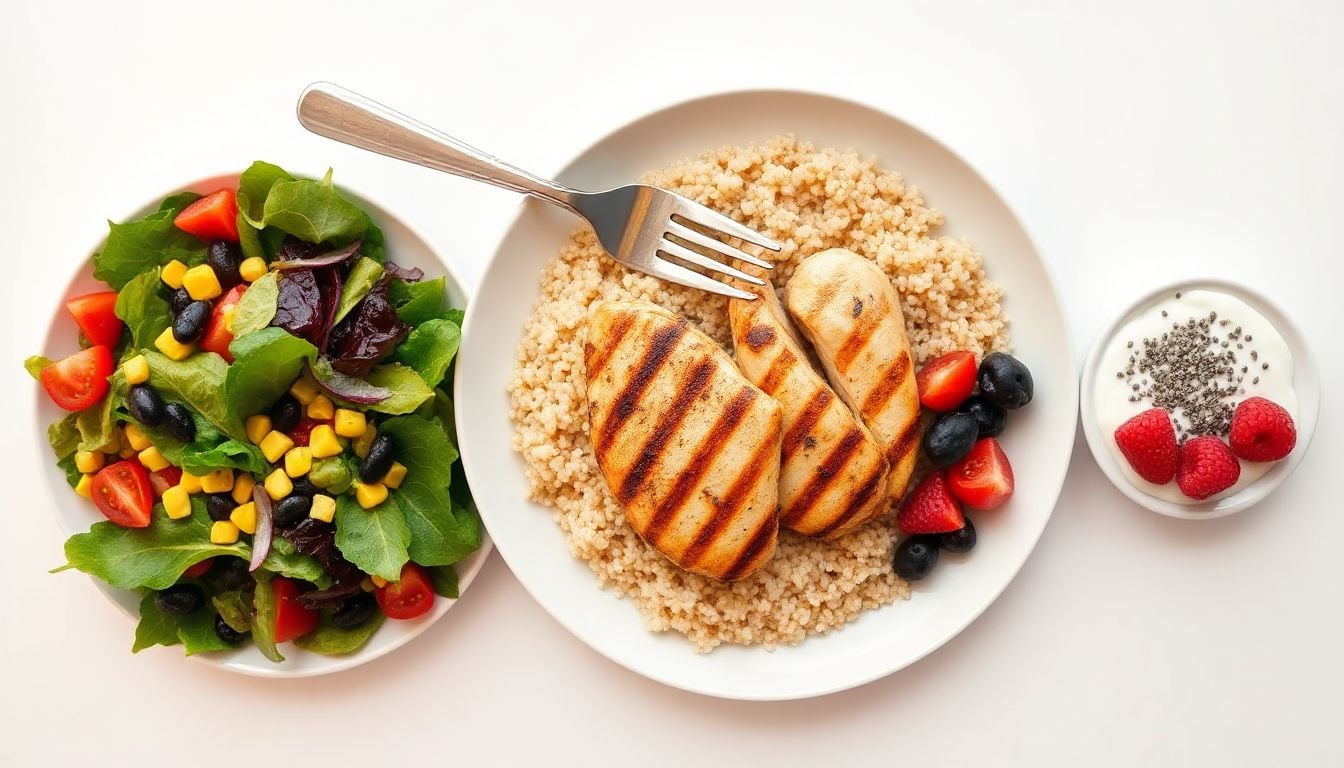
 A vibrant, healthy fast-casual meal with grilled chicken, fresh greens, colorful vegetables, and a side of hummus.

The Best High-Protein Choices at Fast-Casual Restaurants

Fast-casual dining provides a great answer for busy people wanting healthier food. It is often better than traditional fast food. Yet, finding high-protein options on menus can still feel tricky. This article helps you pick the most protein-rich meals at popular fast-casual spots. You can stay on track with your fitness and nutrition goals easily. Plus, you will not lose out on taste or convenience.

Understanding Protein's Importance in Your Diet

Protein is a basic nutrient vital for your body. It helps muscles grow and repair. Protein also keeps you feeling full and supports your body's functions. Knowing why protein matters empowers you to make smarter food choices.

The Role of Protein in Muscle Building and Repair

Protein gives your body the necessary amino acids. These amino acids are building blocks for muscle growth. This process is especially important for active people. After a workout, protein helps your muscles recover faster. It then helps them get stronger.

Key takeaway: Protein intake directly connects to how well your muscles recover and grow.

Protein and Satiety: Feeling Fuller for Longer

Eating enough protein helps control your appetite. It impacts hormones that make you feel full. This means you feel satisfied for a longer time after eating. Feeling fuller can also help you manage your weight. You are less likely to overeat or snack between meals.

Actionable Tip: Add a good protein source to every meal. This helps control cravings and may lower your total calorie intake.

Top Fast-Casual Chains for High-Protein Meals

This section looks at specific fast-casual restaurants. These places are well-known for their protein-rich food. We will give clear examples of where to find satisfying meals.

Chipotle: Building Your Protein Powerhouse

Chipotle makes it easy to build your own meal. You can choose from bowls, burritos, and salads. They clearly label all their protein options. This makes picking your meal simple and quick.

Real-world example: Try a chicken burrito bowl. Add extra chicken and black beans for a protein boost.

Maximizing Protein in Your Chipotle Order

Chipotle offers various meats with good protein levels. Options include chicken, steak, barbacoa, and carnitas. Even sofritas, a plant-based option, adds some protein. Don't forget beans, like black beans, also contribute protein. You can ask for more of any protein to make your meal more satisfying.

Actionable Tip: Ask for double protein on your order. You can also add an extra serving of beans to greatly increase your protein count.

Panera Bread: Beyond the Bakery

Panera Bread offers more than just bread and pastries. Many of their salads, soups, and sandwiches are good protein sources. They have options that fit different dietary needs. You might be surprised at how much protein you can find.

Real-world example: The Fuji Apple Salad with Chicken offers a good amount of lean protein. The Turkey and Avocado BLT is another solid choice.

Smart Choices for a Protein Boost at Panera

Look for salads that already come with a good amount of grilled meat. Sandwiches featuring turkey or chicken also offer significant protein. You can ask to swap ingredients to get more protein. For example, adding grilled chicken to any salad is easy.

Actionable Tip: Focus on salads that have a large serving of grilled meat. Consider ordering a side of chicken or quinoa salad for extra protein.

Cava: Mediterranean Meets High-Protein

Cava focuses on Mediterranean-inspired bowls. They emphasize lean proteins and nutrient-rich ingredients. This makes Cava a great choice for healthy, protein-packed meals. You can build your bowl exactly how you like it.

Real-world example: A lamb meatball bowl with hummus, lentils, and Greek salad gives a great protein punch.

Crafting a High-Protein Mediterranean Bowl

Cava's lamb meatballs are full of protein. Their grilled chicken is also a lean choice. Falafel adds plant-based protein, and lentil salad offers even more. You can mix and match these options. This creates a meal that is both tasty and high in protein.

Actionable Tip: Combine a few different protein sources. For example, try grilled chicken with lentils. This makes a very satisfying, well-rounded, high-protein meal.

Sweetgreen: Fresh Ingredients, Powerful Protein

Sweetgreen is known for its fresh, seasonal ingredients. Their salads are not just healthy. They can also be packed with powerful protein. They offer a simple way to get a lot of nutrients in one meal. You pick every component, making it truly yours.

Real-world example: The El Papi salad comes with grilled chicken and quinoa. This provides a great balance of protein and complex carbs.

Building a Protein-Packed Sweetgreen Salad

Sweetgreen lets you add various proteins. Options include grilled chicken, shrimp, salmon, and tofu. Grains like quinoa also add a decent amount of protein. You can customize your salad to fit your protein goals. Don't be afraid to add extra toppings.

Actionable Tip: Customize your salad by adding an extra portion of your chosen protein. You can also include a side of chickpeas for more plant-based protein.

Strategies for Boosting Protein Intake at Any Fast-Casual Restaurant

Beyond specific restaurants, general tips help you find and increase protein. These strategies work no matter where you eat out. Learning them means you can always make smart choices.

Identifying Protein-Rich Menu Items

Always look for specific items on the menu. Grilled or roasted meats, like chicken or beef, are usually good picks. Fish and eggs are also excellent protein sources. Beans and legumes, such as lentils or chickpeas, add plant-based protein. These are common ingredients in many fast-casual dishes.

Actionable Tip: When reading the menu, first check the "main courses" or "salads" sections. These often list primary protein sources clearly.

follow link :https://amzn.to/45OIjvl

Understanding Portion Sizes and Protein Content

Knowing portion sizes helps you track your protein. If nutrition facts are available, take a quick look. Many places list protein grams per serving. The recommended daily protein intake for adults changes. However, a common guide is 0.8 grams of protein for every kilogram of body weight. (Source: Academy of Nutrition and Dietetics). This helps you aim for enough protein.

Actionable Tip: Ask for sauces and dressings on the side. This lets you control how much you use. It avoids extra calories and keeps your meal protein-dense.

Smart Swaps and Additions for Extra Protein

You can easily modify your order for more protein. Instead of fries, pick a side salad with grilled chicken. Adding extra cheese to a wrap gives a small protein boost. Always think about how to add or swap ingredients. Small changes make a big difference.

Real-world example: Swap regular bread for a whole-grain wrap for some fiber. Then, ask for double the turkey.

Actionable Tip: Never hesitate to ask for double portions of your preferred protein. If available, adding a side of hard-boiled eggs is a simple way to boost protein.

follow link :https://amzn.to/45OIjvl

Expert Insights on Fast-Casual Nutrition

Expert opinions give more trust to these tips. They also offer valuable views on healthy eating in busy settings. Knowing what nutritionists suggest helps you eat better.

Nutritionist's Advice on Protein-Focused Fast-Casual Eating

Registered dietitians offer clear advice for fast-casual dining. They stress picking lean protein options. Balancing meals with plenty of vegetables and healthy fats is also key. This approach makes your meal complete and filling.

Expert Quote (Illustrative): "When dining out, prioritize lean grilled or baked protein sources. Combine these with plenty of non-starchy vegetables to create a balanced and satisfying meal that supports your health goals," says Dr. Emily Carter, a sports nutritionist.

Debunking Common Fast-Casual Protein Myths

Some people think all salads are low in protein. This is not true if you add enough lean meat or beans. Others believe only fried foods are truly filling. This is a myth. Grilled or baked proteins can be just as satisfying. They also offer better nutrition.

Actionable Tip: Focus on how your protein is prepared. Grilled, baked, or broiled options are much healthier than fried choices.

Conclusion: Empowering Your Fast-Casual Choices

Picking nutritious, high-protein meals at fast-casual spots is easy. You just need to know what to look for. Identify good protein sources, understand portion sizes, and use smart strategies. With these simple tips, you can eat well even when busy.

Key Takeaway: You can confidently pick delicious and protein-rich meals at most fast-casual restaurants. Just be an informed eater and use these easy strategies.

follow link :https://amzn.to/45OIjvl

Making Takeout Orders Healthier—Dietitians’ Top Tips

 Making Takeout Orders Healthier

Making Takeout Orders Healthier—Dietitians’ Top Tips

Introduction

Many of us turn to takeout or fast food for quick, easy meals. It’s become a go-to option in busy everyday life. But here's the catch—these meals often pack in loads of calories, salt, and unhealthy fats. With some simple choices and prep work, you can enjoy takeout without harming your health. Dietitians have seen the benefits of smart ordering and can guide us to make better decisions. Ready to learn their top tips? These strategies will help you eat smarter while still enjoying your favorite takeout.

Understanding the Impact of Takeout Food on Your Health

The Rise of Takeout and Fast Food Consumption

In recent years, takeout has skyrocketed. More people order meals from restaurants or quick-service spots. Studies show that frequent takeout can lead to health issues like obesity, high blood pressure, and heart problems. As fast-paced lifestyles grow, quick meals seem more tempting. But, convenience often comes with hidden health costs.

Common Nutritional Pitfalls in Takeout Orders

Many takeout meals are loaded with calories, sugar, and salt. You might unknowingly consume too much unhealthy fat or carbs. For example, fried chicken or cheesy pizza adds excess fat. Saucier dishes may hide high levels of sodium. Often, there’s little fiber or nutritious ingredients in the mix. Over time, this pattern can affect your energy, weight, and overall health.

How Dietitians Advocate for Smarter Takeout Choices

Dietitians suggest balancing taste with nutrition. They recommend reading menus carefully, asking questions, and knowing what ingredients are in your dish. Being aware of labels and options helps you pick foods that nourish your body, even when eating out. Small changes can make a big difference in your health over time.

Tips for Making Takeout Orders Healthier

Planning Ahead and Choosing Wisely

Research Menus in Advance

Don’t wait until the last minute to order. Use online menus and apps to scout for healthier options. Look for dishes with lots of veggies, lean meats, and whole grains. Planning helps you avoid impulsive picks that are high in calories and fats.

Set a Nutritional Intent

Before you place an order, decide what you want to achieve. Maybe you aim to cut back on salt or boost fiber intake. Use a simple checklist or an app to track your goals. Staying mindful keeps your choices aligned with your health plans.

Customizing Your Meal for Better Nutrition

Request Modifications

You can often ask for changes that make meals healthier. Choose grilled, baked, or steamed options instead of fried. Swap fries for a side salad or steamed veggies. Restaurants usually accommodate these requests, making your meal lighter and tastier.

Control Portion Sizes

Avoid overeating by ordering smaller portions or sharing dishes with friends. If you have leftovers, repackage half for a later snack. Smaller servings help you enjoy your favorite foods without excess calories.

Incorporating Nutrient-Rich and Low-Calorie Additions

Add Extra Vegetables

Ask for extra greens on your burger or sandwich. Include veggie toppings like peppers, spinach, or tomatoes. Or choose side salads or steamed veggies to boost your fiber and nutrient intake without extra calories.

Opt for Whole Grains and Lean Proteins

Pick brown rice instead of white. Use whole wheat bread or wraps. When available, select grilled chicken, fish, or plant-based proteins. These choices provide sustained energy and keep you full longer.

Be Mindful of Sauces and Condiments

Limit High-Sodium and Sugary Sauces

Request sauces on the side. That way, you can control how much you add. Choose vinaigrettes or lighter dressings over creamy, mayonnaise-based sauces.

Use Condiments Sparingly

Stick to small amounts of ketchup or creamy dressings. Avoid piling on high-fat or sugary toppings that spike calorie counts.

Beverage Choices and Hydration

Choose Water or Unsweetened Drinks

Skip sodas and energy drinks. Instead, opt for water, flavored water with lemon or herbs, or unsweetened iced tea. Staying hydrated helps you avoid extra sugar.

Planning for Balanced Meals

Incorporate Fiber, Protein, and Healthy Fats

Aim for a meal that includes a lean protein, plenty of veggies, and healthy fats. For example, a grilled chicken salad with olive oil dressing and avocado provides all three. These components help keep your energy stable and hunger satisfied longer.

Practical Tools and Resources for Healthier Takeout

Using Technology and Apps

Food tracking apps can estimate calories and nutrients in your takeout meal. Many restaurants also have apps with filters for healthier options. Use these tools to stay within your nutrition goals.

Building a Healthy Takeout Routine

Plan your weekly meals to include nutritious takeout choices. Mix in homemade dishes for variety. This way, you get a good balance and avoid over-reliance on fast-food.

Educating Yourself on Nutrition Labels and Menu Descriptions

Learn to recognize menu language. Words like "grilled," "baked," and "steamed" usually mean healthier options. Avoid items labeled "fried" or "crispy," which often mean extra calories and fats.

Connecting with Dietitians and Nutrition Professionals

If you're unsure about your choices, consult with a dietitian. They can give personalized advice based on your health needs. Many professionals now offer virtual consultations or local services.

Conclusion

Eating takeout doesn’t have to compromise your health. With these simple tips from dietitians, you can choose smarter, more nutritious options. Planning ahead, customizing meals, and being mindful of ingredients make a big difference. Remember, small changes add up to healthier habits. Take charge of your takeout orders and enjoy your favorite foods without sacrificing well-being. Empower yourself today—make smarter takeout choices that support a healthier you.


@healthy eating food poster

@healthy foods to eat and lose weight 

@healthy eating food delivery@healthy eating food list 

@healthy eating food plan

Quick Healthy Breakfast Ideas for Busy Mornings

 Quick Healthy Breakfast Ideas for Busy Mornings

Quick Healthy Breakfast Ideas for Busy Mornings: Start Your Day Right Without the Stress

Introduction

Breakfast is the most important meal of the day. It fuels your body, boosts your mood, and helps you stay focused. But mornings can be hectic, making it hard to sit down and eat something nutritious. Many people skip breakfast or reach for unhealthy options because they think they don’t have enough time. The good news is, you can make quick, healthy breakfasts that fit into any busy schedule. These ideas are easy to prepare, so you start your day energized without the stress.

Efficient Breakfast Planning for Busy Schedules

Importance of meal prep and planning

Planning ahead can transform busy mornings. When you prep your breakfast ahead of time, you save minutes that add up. Meal prepping means you only need to assemble or cook something quick in the morning. Creating a weekly breakfast plan helps you stay organized and ensure you always have healthy options ready to go.

Stocking a healthy breakfast pantry

Having the right ingredients at home makes it easy to whip up quick breakfasts. Stock staples like oats, Greek yogurt, nut butters, and whole-grain bread. Keep frozen fruits, nuts, and seeds on hand so you can add them anytime. Smart shopping means choosing versatile ingredients that can be used in many recipes, saving money and time.

Tips for quick kitchen assembly

Arrange your kitchen for speed. Keep your favorite bowls, spoons, and containers within easy reach. Use multi-purpose tools like a blender for smoothies and a toaster for toast. A clean, organized space helps you make breakfast in just a few minutes.

No-Cook Breakfast Options for Instant Nutrition

Overnight oats

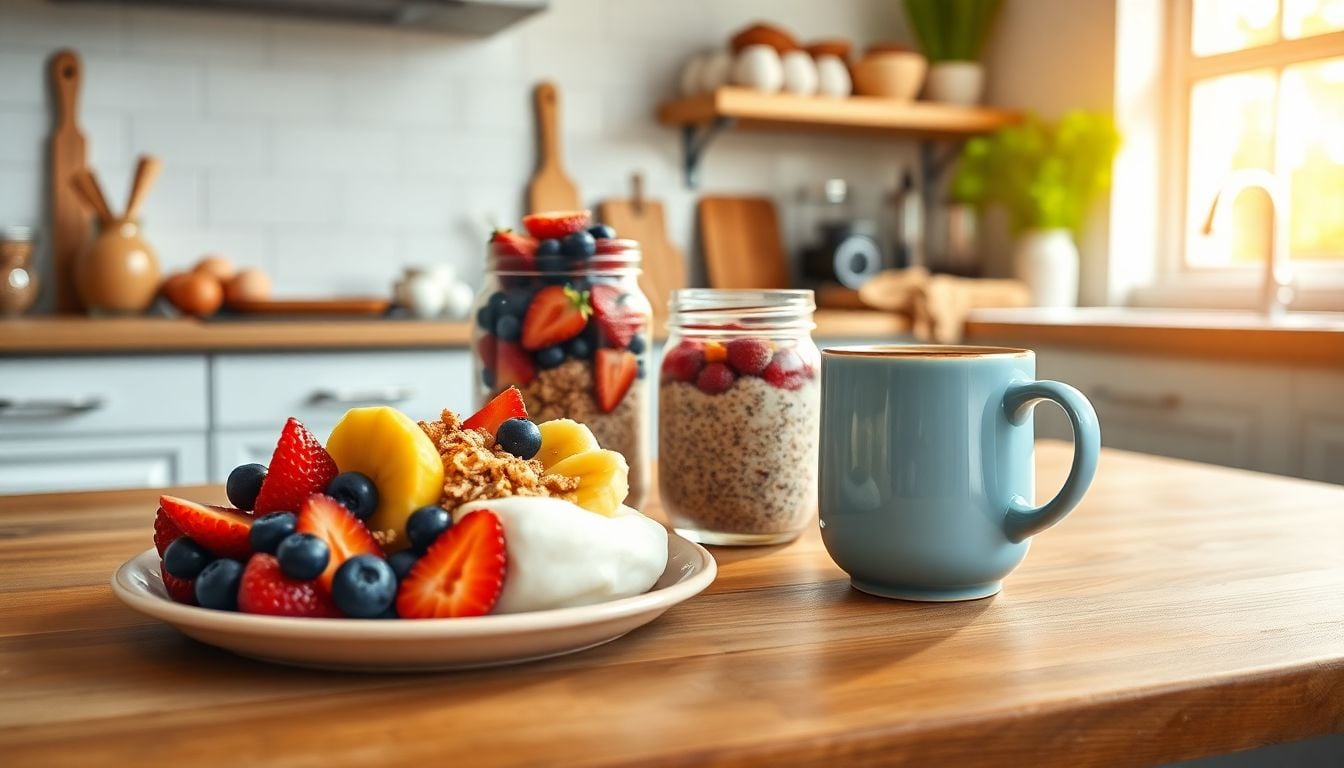
Making overnight oats is a morning lifesaver. Mix rolled oats with milk or yogurt in a jar. Add fruits, nuts, or seeds for extra flavor. Leave it in the fridge overnight. In the morning, you get a filling breakfast with fiber and protein, ready to enjoy.

Yogurt parfaits

Layer Greek yogurt with granola and berries in a glass or jar. Drizzle honey for sweetness. It takes less than 5 minutes to assemble, and you get a balanced mix of protein and carbs. Perfect for on-the-go mornings.

Smoothies and smoothie bowls

Blend fruits, veggies, and milk or juice into a smooth drink. Freeze ingredients ahead of time to save prep. Pour into portable bottles for easy carrying. For a thicker snack, add toppings like sliced fruit, nuts, or granola to a smoothie bowl.

https://otieu.com/4/9500828 https://otieu.com/4/9495617

Healthy snack bars and energy bites

Grab a store-bought or homemade energy bar. Or make your own using oats, nuts, honey, and dried fruits. These are great for quick energy and packed with superfoods like chia or flax seeds.

Quick Cook Breakfasts for Hot Mornings

Scrambled eggs and egg muffins

Scrambled eggs take less than 5 minutes. Make extra to store in the fridge or freezer. Egg muffins with veggies and cheese are a convenient hot option. Reheat in the microwave, and you’re ready to eat within minutes.

Whole-grain toast with toppings

Toast is quick and easy. Spread avocado or nut butter for healthy fats. Slice smoked salmon or add sliced banana for flavor. Creative toppings turn a simple slice of bread into a nutritious breakfast.

Breakfast wraps and burritos

Fill whole-wheat wraps with scrambled eggs, beans, or cooked vegetables. Wraps can be made ahead and frozen. Just grab one in the morning and heat it up for a filling start.

Instant oatmeal with add-ins

Choose healthier instant oats with minimal sugar. Stir in fresh fruits, nuts, or cinnamon. It’s a warm, cozy breakfast ready in minutes—perfect on cold mornings.

Healthy Make-Ahead Breakfasts for Busy Weekdays

Freezer-friendly options

Prepare breakfast burritos, muffins, or breakfast sandwiches in advance. Wrap them tightly and freeze. Reheat in the microwave to start your day with a hot, nutritious meal. These are lifesavers when mornings get hectic.

Batch cooking and portioning

Make large batches of granola or energy bars. Store in individual portions so you can grab them on busy mornings. It’s a simple way to ensure healthy choices without extra effort.

Using weekday mornings for quick assembly

Set up a breakfast station with all the ingredients you need. Measure out toppings or fill containers the night before. When morning hits, it’s just a matter of putting everything together quickly.

Expert and Data Insights

Nutritionists agree that breakfast provides essential nutrients and can improve mental alertness. Studies show that people who eat a healthy breakfast tend to have better weight control and lower risk of heart disease. Many busy professionals and students successfully stick to healthy breakfasts by planning ahead and choosing quick options. Their secret? Consistency and simple routines.

Conclusion

Starting your day with a quick, healthy breakfast doesn’t have to be a challenge. From no-cook options like yogurt parfaits and smoothies to hot meals like scrambled eggs or breakfast wraps, there’s something for every busy morning. The key is planning ahead and keeping essential ingredients on hand. Make breakfast a priority, and you’ll notice more energy, better mood, and improved health throughout your day. Small steps can make mornings smoother—and your health better. Get creative, stay organized, and enjoy your mornings to the fullest

Search queries;All Affiliate Marketing

Content Ecommerce

General SEO Keyword

 Research Link Building

Local SEO Marketing

Original Research

Studies Technical SEO

 ;#Exam#2025#Diagnosis#Hormone#st vincent#milk#googletrends

Making Takeout Orders Healthier—Dietitians’ Top Tips

 Making Takeout Orders Healthier—Dietitians’ Top Tips

Making Takeout Orders Healthier—Dietitians’ Top Tips

Introduction

Takeout and delivery have become staples for busy lives. Over the past few years, more people rely on restaurant foods for quick meals. But many of these options are loaded with too much salt, unhealthy fats, and empty calories. Eating this way regularly can affect your health and weight. Luckily, making simple choices when ordering can make a big difference. This guide shares expert-backed tips to help you enjoy delicious takeout while staying healthy.

Understanding the Impact of Takeout Foods on Health

Most takeout foods tend to be high in sodium, sugar, and fats that aren’t good for your body. For example, fried chicken, cheesy pasta, and greasy burgers can pack thousands of calories in just one meal. Jumping into takeout without thought can lead to health problems like high blood pressure and heart disease. But small swaps, like choosing grilled instead of fried or adding extra veggies, can boost your nutrition. Even minor changes can improve your health over time.

Choosing Healthier Takeout Options

Prioritize nutrient-dense cuisines

Certain cuisines naturally offer healthier choices. Think Mediterranean dishes rich in olive oil, fresh vegetables, and lean meats. Asian foods like sushi and steamed dumplings tend to be lighter than fried options. Plant-based meals or grilled proteins also pack a lot of nutrients without the extra calories. Always look for options like grilled chicken instead of fried chicken, or seafood instead of breaded fish.

Read menus and nutritional info carefully

Most restaurants now show calorie counts and nutrition facts online or on menus. Focus on dishes with more vegetables and whole grains. Avoid fried or creamy dishes. Use apps or websites that give detailed nutrition data to help you pick the best options.

Be mindful of portion sizes

Restaurants often serve large portions that encourage overeating. Share a dish with family or friends, or ask for a smaller size. When in doubt, order an appetizer or split a main course. You can also store half of your meal and enjoy it later.

Customizing Your Order for Better Nutrition

Request modifications

Don't hesitate to ask for changes. Request less oil, less salt, or baked instead of fried. Most places will happily accommodate these tweaks. For example, ask for grilled instead of crispy or breaded. Swap fries for a side salad or fruit to add more vitamins and fiber.

Incorporate more vegetables

Boost your meal with extra veggies. Request a side of steamed greens or a side salad. Add extra bell peppers, broccoli, or spinach to your main dish. These additions increase fiber and nutrients without extra calories.

https://otieu.com/4/9495617

Limit high-calorie toppings and extras

Avoid heavy cheeses, creamy sauces, or fried toppings. Instead, use healthier condiments like vinaigrette dressing or salsa. These bring flavor without the added calories and saturated fats.

Making Smarter Choices When Ordering

Choose broth-based soups and salads

Soup options like vegetable or chicken broth-based ones tend to be lower in calories but filling. Salads are great, but watch out for large amounts of dressing and croutons. Use dressings on the side and stick with lighter options like vinaigrette or lemon juice.

Opt for grilled or steamed proteins

Grilled chicken, fish, or tofu are excellent choices for lean proteins. These options are lower in fat than fried or breaded versions. Think of grilled shrimp served with a side of vegetables or a simple stir-fry with tofu.

Be cautious with sauces and dips

Rich sauces can quickly add empty calories. Ask for sauces on the side so you can control how much you use. Choose healthier dips like hummus or salsa instead of creamy ranch or cheesy spreads.

Be Strategic About Beverage and Side Selections

Hydrate with water, herbal teas, or infused waters

Steer clear of sugary sodas and sweetened drinks that pack empty calories. Infuse water with lemon, berries, or mint for added flavor. Unsweetened herbal teas are also a healthy alternative.

Select healthier sides

Pick steamed vegetables, fruit slices, or whole grain options. These sides add fiber and keep you full longer. Avoid high-calorie processed sides like onion rings, fried potatoes, or creamy coleslaw.

Practical Tips for the Takeout Experience

Planning your order before calling or clicking makes healthier choices easier. Check menus online first to decide what fits your goals. Clearly communicate any dietary preferences, like less oil or salt. Balance the indulgent with the nutritious—have a treat but make sure most of your meals are healthy. And leftover portions can be turned into quick, nutritious meals the next day.

Expert Opinions and Evidence-Based Recommendations

Dietitians agree that small changes make a big difference. Registered dietitian Lisa Smith shares, “Opt for grilled or steamed items and ask for modifications. Most restaurants are happy to help you eat smarter.” Recent studies show that reducing sodium and unhealthy fats in takeout can improve heart health and lower blood pressure. Checking reputable sources like the American Heart Association or USDA guidelines reinforces these habits.

Conclusion

Eating takeout doesn’t have to sabotage your health. With these simple tips—like choosing nutrient-rich dishes, customizing your order, and controlling portions—you can enjoy flavorful meals while staying on track. Small, consistent changes add up over time. So next time you order, think smarter and prioritize your well-being. Your body will thank you for it.

Tricks to Sneak More Greens Into Every Meal

 Image

Tricks to Sneak More Greens Into Every Meal

Introduction

Greens are a powerhouse for your health. Eating enough leafy vegetables can boost digestion, offer more energy, and help prevent many diseases. Still, many find it tough to eat enough greens daily. taste preferences, boring routines, and busy schedules often get in the way. The trick isn’t forcing yourself to eat more greens but finding smart ways to include them naturally.

The idea is to "sneak" greens into your meals without changing your habits completely. Small tricks can make a huge difference. With just a little effort, you can enjoy the benefits of greens every day. Plus, it makes your meals more colorful and tasty. Making greens a natural part of your diet will improve your health without sacrificing flavor or time.

Incorporating Greens into Breakfast

Boost with Green Smoothies

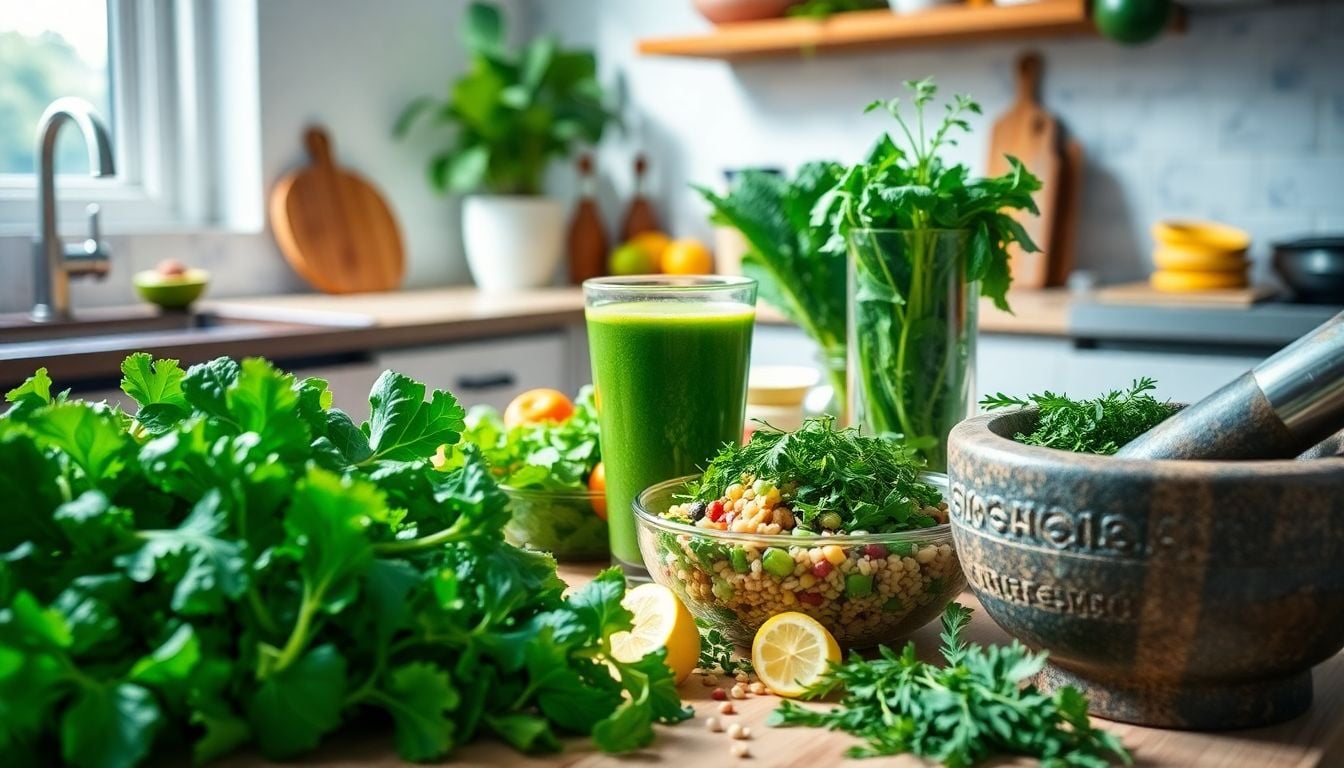
Starting your day with a green smoothie is a quick win. Blend together spinach, kale, or arugula with a banana, berries, or apple for a tasty, nutrient-rich drink. The fruit smooths out any bitterness greens might have, making it easier to enjoy. Add some nuts or a spoonful of healthy fats like avocado for extra creaminess and energy. Many nutritionists recommend green smoothies as a simple, fuss-free way to boost greens intake.

Add Greens to Egg-Based Dishes

Egg dishes are perfect for sneaking in greens. Chopped spinach, kale, or Swiss chard blend into scrambled eggs, omelets, or frittatas easily. Tossing in greens adds flavor and texture, especially when paired with cheese or herbs. Cooking greens briefly helps retain their nutrients and keeps them tender. It’s a simple switch that makes your breakfast more nourishing.

Use Greens in Baking

Think beyond salads — baking is another fun way to add greens. Spinach, zucchini, or kale can be blended into muffins, pancakes, or bread. They hardly change the taste but increase the nutrition profile. Try adding chopped greens to your favorite muffin batter or pancake mix. It’s an easy, sneaky way to get kids and picky eaters to eat more greens without fuss.

Elevating Lunch with Greens

Wraps and Sandwiches with Hidden Greens

Wraps and sandwiches are perfect for hiding greens. Layer shredded kale, spinach, or lettuce for crunch and freshness. Use whole grain bread, wraps, or pita for extra fiber and flavor. You can even use greens like arugula or radicchio for a bit of a spicy kick. Just a handful of greens can make your midday meal more nutritious with minimal effort.

Salads that Pack a Punch

Salads are a great place to load up on greens. Besides iceberg lettuce, add arugula, radicchio, or kale for variety. Mix greens into grain bowls, pasta salads, or couscous dishes. Toss in fruity dressings like citrus or balsamic vinegar to make greens taste even better. The more colorful and flavorful, the easier it is to eat a big handful.

Soups and Broths Enriched with Greens

Soup is a simple way to sneak greens into lunch or dinner. Adding spinach, Swiss chard, or collard greens during the last few minutes of cooking keeps nutrients intact. Greens break down and blend into hearty broths or vegetable soups naturally. A quick green soup recipe: sauté garlic and onion, add veggie broth, toss in greens, and simmer. Blend for a smooth, nourishing meal.

Boosting Dinner with Greens

Stir-Fries and Asian-Inspired Dishes

In Asian cooking, greens like bok choy, gai lan, or kale are common. Stir-fry them with your favorite vegetables and protein for a quick, healthy meal. Blanch greens briefly to keep their crunch and nutrients. They add vibrant color and flavor to any stir-fry. Check out a classic vegetable stir-fry recipe online for inspiration.

Pesto, Sauces, and Condiments

Green sauces are a clever way to add greens to dinner. Basil pesto, spinach hummus, or kale chimichurri work well on pasta, grilled chicken, or roasted vegetables. These condiments not only boost nutrition but also bring new flavors to your plate, making greens more appealing to everyone.

Green-Enhanced Main Courses

Greens can turn ordinary dishes into superfoods. Add them to stuffed chicken, fish fillets, or veggie burgers. Greens add flavor, texture, and nutrients without overwhelming the main ingredients. Balance is key — pair greens with herbs, spices, and tasty sauces so they complement rather than compete.

Creative Ways to Incorporate Greens in Snacks and Sides

Green Chips and Crisps

Yes, you can make chips from kale or spinach leaves! Simply toss them with olive oil and seasonings, then bake until crispy. Add flavor with spices, nutritional yeast, or garlic powder for extra taste. Green chips are a satisfying snack that packs a healthy punch.

Green Dips and Spreads

Whip up spinach, avocado, or herb-based dips. Serve with crunchy veggies, whole-grain crackers, or bread. They’re perfect for parties or a quick snack. These dips help you eat more greens without feeling like you’re eating a "green plate."

Green-Infused Beverages and Snacks

Think beyond water — green-infused drinks can be refreshing. Add mint, basil, or parsley to your water or tea. Green energy bites and protein balls with hidden greens make healthy snacks that keep you full and energized. Mixing greens into your snacks makes it easy to stay healthy without extra effort.

Conclusion

Adding more greens to your meals doesn’t have to be hard or boring. Use these tricks to include greens naturally in breakfast, lunch, dinner, and snacks. These simple swaps and ideas make healthy eating easy, tasty, and fun. Start small — just one or two tricks at a time — and soon it’ll become second nature. Making greens part of every meal helps you feel better and stay healthier, all while enjoying delicious food. So, why not try one new method today? Your body will thank you!

What Happens If You Skip Breakfast Every Day?


What Happens If You Skip Breakfast Every Day? The Hidden Impact on Your Health and Well-Being

What Happens If You Skip Breakfast Every Day? The Hidden Impact on Your Health and Well-Being

Skipping breakfast might seem like a small choice, especially with busy mornings and tight schedules. Many people rush out the door without a second thought, thinking it’s harmless. But what if regular breakfast skipping really affects your body in ways you never imagined? This article digs into how skipping breakfast impacts your metabolism, brain health, and long-term wellness. Knowing the facts can help you make smarter choices and improve your health over time.

The Physical Impact of Skipping Breakfast

How Breakfast Influences Metabolism

Eating breakfast kick-starts your metabolism, the process that turns food into energy. When you skip it, your body has to work slower to burn stored fat and carbs. Breakfast also triggers the thermic effect of food—a fancy term for how your body burns calories just by digesting. Without that morning meal, your body's calorie burn decreases, making it harder to stay fit or lose weight.

Blood Sugar Levels and Insulin Sensitivity

Skipping breakfast can lead to blood sugar spikes later in the day. When you don’t eat in the morning, your blood sugar levels stay low initially. But by lunchtime, they may shoot up quickly, causing your body to release more insulin. Over time, this pattern can weaken insulin sensitivity and raise your risk for type 2 diabetes. Studies show that people who skip breakfast often have worse blood sugar control and higher chances of developing metabolic issues.

Weight Management and Appetite Hormones

Skipping breakfast messes with hunger hormones. Ghrelin, the hormone that makes you feel hungry, rises when you skip a morning meal. Leptin, the "full" hormone, can drop, leading to overeating later. Some research suggests breakfast skippers tend to eat more throughout the day, which can cause weight gain. Others find that skipping breakfast leads to decreased energy, making physical activity less appealing.

The Cognitive and Mental Effects of Skipping Breakfast

Impact on Focus and Concentration

Missing breakfast can make it hard to concentrate. Your brain needs glucose—a kind of sugar in your blood—to keep sharp. Without fuel from a morning meal, your focus, memory, and problem-solving skills suffer. Students and workers who skip breakfast often report feeling foggy or distracted in the morning.

Mood and Mental Well-Being

Skipping breakfast can also mess with your mood. Low blood sugar may cause irritability, anxiety, or feelings of depression. Nutrition experts warn that irregular eating patterns can contribute to poor mental health. Having a nourishing breakfast helps stabilize mood swings and keeps you feeling more balanced during the day.

Long-Term Brain Health Risks

Emerging research suggests that not eating breakfast regularly may increase the risk of cognitive decline and neurodegenerative diseases later. Breakfast habits influence long-term memory and brain resilience. Some studies link consistent morning eating with better brain function in aging adults, hinting that skipping could be a hidden risk factor.

The Long-Term Health Consequences

Heart Disease and Cardiovascular Risks

Regularly skipping breakfast might be linked to higher blood pressure and increased cholesterol. These factors can harm your arteries and elevate your risk for heart disease. Inflammation markers tend to rise when breakfast is missed, adding to the risk of atherosclerosis—or clogged arteries.

Nutritional Deficiencies and Dietary Quality

Choosing to skip breakfast often means missing out on vital nutrients. Many breakfast foods are rich in fiber, vitamins, and minerals. Without them, your diet can become imbalanced, leading to deficiencies in iron, calcium, vitamin D, and others. Over time, these gaps affect overall health, bone strength, and immune function.

Chronic Disease Risks

Habitual breakfast skippers face higher chances of developing obesity, type 2 diabetes, and metabolic syndrome. Without a healthy start, it’s easier to fall into a cycle of poor eating habits and hormone imbalance. Long-term, this can result in serious health problems and reduce life expectancy.

Practical Tips and Strategies to Avoid Skipping Breakfast

Quick and Healthy Breakfast Ideas

When mornings are busy, simple options save the day:

  • Smoothies with fruit, yogurt, and oats
  • Overnight oats prepared the night before
  • A piece of fruit with nuts or nut butter
  • Whole-grain toast with avocado or eggs

Developing a Consistent Breakfast Routine

Set a specific time each morning to eat. Prepare parts of your meal the night before. Having a routine makes breakfast a habit—like brushing your teeth. Small changes make it easier to stay consistent.

Addressing Common Barriers

Lack of appetite? Start with a small snack. No time? Opt for grab-and-go options. Dietary restrictions? Choose alternatives that fit your needs. Planning ahead and keeping healthy foods accessible is key.

Expert Recommendations and Guidelines

Organizations like the WHO and CDC suggest that breakfast should include fiber, protein, and healthy fats. Making breakfast part of your daily routine supports overall health, energy, and mental clarity.

Skipping breakfast might seem like a minor act, but it can have big effects on your body and mind. From slowing your metabolism and raising disease risks to impairing focus and mood—missing this meal isn’t harmless. Starting your day with a balanced breakfast fuels your body, sharpens your mind, and supports long-term health. Make a conscious effort to eat in the morning and watch how it transforms your well-being. Your body will thank you for it.

Making Takeout Orders Healthier—Dietitians’ Top Tips


Making Takeout Orders Healthier—Dietitians’ Top Tips

Making Takeout Orders Healthier—Dietitians’ Top Tips

Introduction

Takeout meals are quick and easy, making them a favorite for busy lives. Almost everyone orders food from restaurants when plans get hectic. But many worry about the health side of takeout—excess calories, too much salt, and greasy fats. Luckily, you don’t have to give up your favorite foods to stay healthy. With a few simple tricks, you can enjoy takeout while keeping your nutrition on point. Dietitians have lots of proven tips to help you make smarter choices without sacrificing flavor.

Choosing the Right Restaurants for Healthier Options

Factors to consider when selecting takeout places

Picking a restaurant matters. Look for places that show they care about healthy food options. Check if they list ingredients for each dish or have clear nutritional info. Choose spots that focus on fresh, whole foods instead of processed ingredients. If the restaurant uses quality ingredients, your meal will be better for you.

Recognizing restaurants with nutrient-conscious menus

Some chains are known for healthy options. Think salads, grilled chicken, and veggie bowls. Local spots can also be great if they customize dishes with whole foods. Look for places that offer veggie-heavy dishes and lean proteins that fit your health goals.

Making Smarter Menu Choices

Focus on balanced meals

Choose meals that mix lean protein, fiber-rich grains, and plenty of vegetables. For example, grilled chicken with a side salad and brown rice makes a good, filling meal. Avoid fried foods and options loaded with creamy sauces that add extra calories.

Reading and understanding nutritional info

Many restaurants list calorie counts and nutrient details online. Use these to guide your choices. Seek out menu modifications—like swapping fries for a side of veggies or asking for sauces on the side. These small changes make a big difference.

Tips for ordering specific dishes

  • Go for grilled, baked, or steamed foods.
  • Request dressings and sauces on the side.
  • Pick broth-based soups instead of creamy ones.
  • Avoid breaded or fried items—they tend to be high in unhealthy fats.

Customizing Your Order for Nutritional Benefits

How to modify dishes effectively

Want to eat healthier? Load up on extra vegetables, or add greens to sandwiches. Swap white rice for brown rice or quinoa to boost fiber. If available, choose whole wheat options for bread or noodles. Lightweight swaps can pack a punch in nutrition.

Reducing hidden calories and sodium

Steer clear of excessive cheese, processed meats, and salty condiments. Use herbs, spices, and citrus to add flavor without salt. Asking for dishes with less salt also helps you manage sodium levels that can raise blood pressure.

Portion control strategies

Splitting large dishes with a friend or ordering half-ports can prevent overeating. Save leftovers for later instead of eating everything in one sitting. Small, controlled portions support your health goals while still satisfying your cravings.

Practical Tips to Minimize Unhealthy Ingredients

Managing sodium intake

Ask restaurants to hold the salt or use low-sodium seasonings. Be cautious with soy sauce and other salty sauces—request alternatives. This simple step slashes your sodium intake without sacrificing flavor.

Cutting back on added sugars and unhealthy fats

Opt for water, herbal tea, or other unsweetened drinks. Steer clear of sugary sodas and desserts. Choose grilled or raw foods instead of fried or breaded items to reduce unhealthy fats. These swaps help keep your meals light and nutritious.

Incorporating healthy fats

Adding avocado, nuts, or seeds to meals gives you healthy fats and extra flavor. These healthy fats support heart health and keep you feeling full longer.

Planning Ahead and Making Better Takeout Decisions

Preparing healthy snacks and meals at home

Meal prepping can cut your reliance on takeout. Pack nutritious snacks like nuts, fruit, or veggie sticks. Having healthy options ready makes it easier to choose wisely when hunger strikes.

Using technology and resources

Apps that list healthy restaurant options can guide your choices. Before ordering, read reviews and menus online. Planning ahead lets you pick healthier options and avoid impulsive, less nutritious meals.

Setting health goals for takeout

Create limits—for example, only order takeout twice a week or keep calories under a certain number. Balance indulgent meals with home-cooked healthy dishes. Clear goals keep you on track and maintain your health routine.

Conclusion

Eating takeout doesn’t mean you have to compromise your health. By choosing the right restaurants, making smart menu choices, customizing your orders, and planning ahead, you can stay on track. Small, simple decisions add up to better nutrition and longer-term well-being. Remember, a balanced approach is key. Enjoy your favorite dishes guilt-free by applying these proven strategies. Healthy eating should feel doable and enjoyable, even when ordering out. Make smarter choices today—and see how good healthy can taste!

Natural Energy Drinks: The Proven Power of Fruits and Veggies


Natural Energy Drinks: The Proven Power of Fruits and Veggies

Natural energy drinks from fruits and vegetables offer a powerful alternative to those chemical-laden commercial options we see everywhere. When afternoon fatigue hits, many of us reach for caffeine or sugar-filled beverages that provide a quick jolt followed by an inevitable crash. Instead of relying on these artificial solutions, I've discovered that nature provides everything we need for sustained energy throughout the day.

In fact, research shows that certain foods work as exceptional natural energy boosters. A 2023 study found that carbohydrate-rich foods like bananas can enhance workout performance and endurance, similar to carbohydrate drinks. Additionally, foods for energy such as avocados contain protein, healthy fat, fiber, and vital micronutrients that help maintain stable blood sugar levels, preventing those energy spikes and crashes. High energy foods like apples are rich in flavonoids that combat oxidative stress, while a single cup of lentils packs nearly 18g of protein and 15.6g of fiber for lasting stamina.

Throughout this article, we'll explore the science behind these natural energy sources and share practical ways to incorporate them into your daily routine. Whether you're looking for an afternoon pick-me-up or pre-workout fuel, these nutrient-dense options provide natural energy that your body can use efficiently without the downsides of artificial alternatives.

The science behind natural energy boosters Understanding how nature fuels our bodies reveals why fruits and vegetables are superior energy sources. The complex interplay of nutrients in whole foods provides a sustainable energy blueprint that synthetic alternatives simply cannot match.

How fruits and vegetables fuel the body At their core, fruits and vegetables deliver energy through their carbohydrate content, but with significant advantages over processed foods. The fiber present in whole produce slows the digestion of natural sugars, providing a steady release of energy rather than the rapid spikes associated with refined options. For instance, potatoes supply complex carbohydrates that your body converts to glucose, which is either used immediately for energy or stored in muscles as glycogen for later use.

What sets natural energy foods apart is their nutritional density combined with low energy density. This means they pack substantial nutrients while containing relatively few calories. Bananas exemplify this balance perfectly—they deliver quick carbohydrates alongside fiber that moderates sugar absorption, creating a sustained energy release.

Furthermore, the starch in foods like sweet potatoes breaks down gradually, fueling your body throughout the day rather than all at once. This slow-release mechanism helps maintain stable blood sugar levels, preventing the energy crashes often experienced after consuming processed foods.

The role of vitamins, minerals, and antioxidants Vitamins and minerals serve as essential cofactors in energy production pathways. Iron, abundantly found in spinach and other leafy greens, plays a crucial role in oxygenating your blood, contracting muscles, and supporting brain function. Vitamin C from citrus fruits enhances iron absorption, creating a synergistic effect when these foods are consumed together.

Antioxidants deserve special attention in the energy equation. These compounds protect your cells from damaging molecules called free radicals, which contribute to fatigue and various chronic diseases. The body produces some antioxidants naturally, but many come from plant foods in several forms:

Flavonoids (found in berries and apples) Carotenoids (in orange and yellow vegetables) Phenolic acids (present in artichokes and many fruits) Antioxidants help neutralize free radicals, those unstable molecules that wreak havoc on cells, accelerate aging, and trigger chronic diseases. By reducing oxidative stress, antioxidants allow your cellular energy production to function optimally.

Why natural energy is more sustainable than caffeine spikes The stark contrast between natural energy sources and synthetic stimulants becomes evident when examining their effects on the body. Natural sources of caffeine, such as green tea, provide a gentler, more sustained energy boost without the jitters or crashes associated with synthetic alternatives.

This occurs because natural energy sources typically contain compounds that balance their stimulating effects. For example, green tea contains l-theanine, an amino acid that reduces stress and promotes relaxation alongside its caffeine content. This creates a smooth, sustained alertness rather than an intense spike followed by depletion.

Conversely, highly processed energy drinks often contain synthetic caffeine extracted using harsh chemicals, delivering an unnaturally rapid stimulant effect without the balancing compounds found in whole foods. The body processes these differently, leading to the familiar pattern of initial hyper-alertness followed by an energy crash.

By choosing natural energy boosters like fruits, vegetables, and minimally processed plant-based drinks, you're selecting options that work with your body's systems rather than overriding them, resulting in more consistent energy throughout the day.

Top fruits that give you lasting energy


Image Source: EatingWell

Fruits provide some of the most accessible and effective natural energy boosters available, delivering complex carbohydrates, vitamins, and minerals that fuel your body throughout the day. Unlike processed snacks, these whole foods offer sustained power without the crashes associated with artificial options.

Bananas: quick carbs with fiber Bananas stand out as nature's perfect energy package. Research has shown that two bananas can provide enough energy for a strenuous 90-minute workout. A landmark study compared bananas to carbohydrate sports drinks in cyclists and found that this humble fruit offered just as much sustained energy as specialized athletic beverages.

What makes bananas truly exceptional is their nutrient profile. One medium banana contains approximately 27 grams of carbohydrates, providing quick energy, alongside 3.1 grams of dietary fiber that slows sugar absorption for steadier energy release. They're also packed with potassium (422 mg per medium banana), which regulates muscle function and prevents cramps during physical activity.

The glycemic index of bananas is 51, placing them in the low-to-medium range, meaning they won't cause dramatic blood sugar spikes. Moreover, their natural sugar blend of glucose, fructose, and sucrose offers balanced energy delivery that your body can efficiently utilize.

Berries: antioxidants and low sugar Dark berries rank among the highest antioxidant fruits available, making them excellent for fighting fatigue and supporting sustained energy. Notably, blackberries, blueberries, and raspberries contain powerful compounds that reduce inflammation and oxidative stress in the body.

The antioxidant capacity of berries is remarkably impressive:

Four times higher than other fruits Ten times higher than vegetables Despite their sweet taste, berries generally contain less sugar than other fruits, providing energy without dramatic blood sugar fluctuations. Specifically, raspberries deliver 6,058 antioxidant units and strawberries provide 5,938 units, making them powerhouses for cellular energy production.

Berries also pack significant vitamin C, with blackcurrants containing up to 215 mg per 100g fruit. This essential nutrient helps reduce oxidative stress and prevents fatigue, allowing your body to maintain energy levels throughout demanding days.

Oranges: vitamin C and hydration Oranges deliver an impressive vitamin C punch, with one medium orange providing 70-100% of your daily requirement. This vitamin plays an essential role in forming amino acids that regulate energy levels, making oranges excellent natural energy boosters.

Beyond their vitamin content, oranges contribute significantly to hydration. One navel orange provides about 4 ounces of water, helping maintain optimal fluid levels essential for sustained energy. Dehydration can cause fatigue even before thirst becomes noticeable.

Oranges are also rich in potassium, which together with vitamin C has been linked to elevating mood and reducing symptoms of stress, anxiety, and depression. Subsequently, this improvement in mental state translates to enhanced perceived energy levels.

Apples: fiber and flavonoids Apples provide a perfect balance of quick and sustained energy. They contain approximately 13 grams of natural sugars alongside 4 grams of fiber, creating an ideal combination for steady energy release. Unlike caffeine, the energy from apples releases slowly throughout the body, making their effects last longer than a cup of coffee.

Particularly impressive is apples' ranking on the Glycemic Index scale. Their low GI value means they raise blood sugar gradually, preventing the energy spikes and crashes associated with high-GI foods. Additionally, they score well on the Satiety Index, helping you feel fuller longer than many other snacks.

For optimal energy benefits, pairing apples with protein sources like nut butter slows absorption even further, creating a perfect sustained-energy snack that keeps you energized for hours without sudden crashes.

Avocados: healthy fats and potassium Despite not being sweet, avocados deliver remarkable energy benefits through their unique nutritional profile. One serving of a medium avocado (half the fruit) contains more potassium than a medium banana—487 mg versus 422 mg respectively. This essential mineral supports muscle function and energy metabolism.

Avocados are primarily composed of monounsaturated fats (15 grams per medium avocado), which provide sustained energy. Unlike quick-burning carbohydrates, these healthy fats offer long-lasting fuel. The monounsaturated fats in avocados increase satiety, helping control appetite and maintain steady energy levels.

Furthermore, avocados contain an impressive B vitamin profile, including B6, a nutrient that plays key roles in cognitive function. Half an avocado provides 15% of your daily B6 needs, supporting brain health and mental clarity—essential components of subjective energy levels.

Vegetables that power your day Vegetables deserve special attention in our quest for natural energy, as their unique nutrient profiles offer distinct advantages for sustained vitality throughout the day.

Beets: blood flow and stamina Beets stand out as remarkable natural energy boosters due to their high inorganic nitrate content. Once consumed, these nitrates convert to nitric oxide in your body, which relaxes and expands blood vessels. This improved blood flow delivers more oxygen throughout your system, essentially allowing you to perform better for longer periods.

Research demonstrates these benefits aren't just theoretical—beetroot juice supplementation improved exercise endurance by 24% after just one week of consumption. Therefore, athletes often use beet juice prior to competition, typically consuming it 2-3 hours before performance for optimal results.

Spinach and kale: iron and magnesium Leafy greens rank among the most potent foods for energy owing to their impressive nutrient density. Spinach contains substantial iron, which helps oxygenate your body—a critical factor in combating fatigue. One serving provides approximately 15% of your daily iron needs.

Kale similarly delivers B vitamins, calcium, potassium, copper, and magnesium. These minerals work synergistically to metabolize carbohydrates and convert them into usable energy. Indeed, both vegetables support red blood cell production through their folate content, helping prevent anemia-related tiredness.

Sweet potatoes: complex carbs for slow release Sweet potatoes offer ideal fuel through their complex carbohydrate structure. Unlike simple carbs, these starches break down gradually, providing consistent energy instead of spikes and crashes. A medium sweet potato contains approximately 24 grams of carbs with nearly 4 grams of fiber.

The fiber content is primarily insoluble (77-85%), which slows digestion and stabilizes blood sugar levels. Coupled with their low glycemic index when boiled, sweet potatoes create sustained energy that powers you throughout the day.

Carrots and celery: hydration and crunch Many forget that hydration plays a crucial role in maintaining energy levels. Celery consists of approximately 95% water, making it more hydrating than watermelon. Similarly, carrots offer substantial hydration while providing beta carotene, which benefits the body in numerous ways.

These crunchy vegetables make perfect energy-boosting snacks, primarily because they combat dehydration—a common cause of fatigue that often goes unrecognized.

How to make your own natural energy drinks Creating your own natural energy drinks at home puts you in control of what fuels your body. Getting started is easier than you might think, with countless combinations to explore.

Simple fruit and veggie juice blends Homemade juices deliver concentrated nutrients that boost energy rapidly. The "Green Machine" combines spinach, cucumber, green apple and ginger for an earthy, energizing blend. Meanwhile, the "Carrot Apple Zinger" offers a savory profile with carrots, apples, and a lemon-ginger kick that enhances mental alertness. For those new to green juices, try "Kiwi Green Apple Spinach" which provides a sweeter, more approachable taste while still delivering energizing benefits.

First, wash produce thoroughly before juicing. Second, cut larger fruits and vegetables into smaller pieces to fit your juicer. Finally, start with lower speeds before increasing to higher settings for optimal juice extraction.

Smoothies for sustained energy Smoothies provide longer-lasting energy by preserving fiber that slows digestion. The "Tropical Smoothie" combining mango, pineapple, and orange juice creates a vibrant energizer packed with vitamin C. For protein-rich options, the "Banana Cocoa" smoothie with chia and flax seeds delivers omega-3 fatty acids that reduce inflammation while providing sustained fuel.

Infused water with herbs and citrus Beyond juices and smoothies, infused waters offer subtle energy enhancement without sugar. Lemon-infused water alone effectively boosts energy levels while helping detoxify the body. Cinnamon orange water delivers a sweeter profile with energizing citrus complemented by cinnamon's antioxidant properties. Ginger lime water promotes healthy circulation, naturally increasing alertness.

Allow infusions to steep for at least 4 hours or overnight in the refrigerator for optimal flavor extraction.

Tips for balancing taste and nutrition Overall, balance is key when creating natural energy drinks. Use high-quality glass containers to improve flavor. Choose organic produce whenever possible to avoid pesticides. As a general rule, limit fruit to control sugar content while still maintaining appealing taste. Store infused waters for up to 4 days total, removing fruits and herbs after the first 24 hours.

Natural vs. commercial energy drinks Commercial energy drinks dominate store shelves with promises of instant energy, yet examining their ingredient lists reveals concerning realities. This stark contrast with natural alternatives goes beyond marketing claims to impact your long-term wellbeing.

What's really in store-bought energy drinks? Commercial energy drinks typically contain caffeine levels ranging from 50 to 505 mg per can, significantly higher than a cup of brewed coffee (77-150 mg). Most include approximately 18 ingredients per product, with 15 products containing proprietary blends that don't disclose ingredient amounts.

The primary components include:

Caffeine (found in 100% of energy drinks; averaging 174.4 mg) Taurine (in 37.3% of products; amounts typically undisclosed) B-vitamins (often in excessive amounts—vitamin B12 at 5,244.5% of daily value) Guarana (contains 4-5% caffeine compared to coffee beans' 1-2%) Ironically, while these drinks claim to boost performance, many ingredients have minimal scientific support for energy benefits.

Hidden sugars and artificial ingredients Surprisingly, a single 16-ounce energy drink can contain approximately 13 packets of sugar—meeting or exceeding the American Heart Association's recommended daily limit for both men (36g) and women (25g). Consequently, these high sugar levels create the familiar cycle of energy spikes followed by crashes.

Many "sugar-free" alternatives substitute artificial sweeteners like aspartame and sucralose, which potentially carry their own health concerns including high blood pressure, anxiety, and depression.

Why natural options are safer long-term Naturally, whole food alternatives offer significant advantages. Natural caffeine sources such as green tea contain beneficial antioxidants and phytochemicals absent in synthetic versions. Additionally, natural caffeine provides a gentler, more sustained energy release without jitters or crashes.

Unlike commercial options, natural energy drinks don't require warning labels or age restrictions—regulations increasingly imposed on commercial energy drinks due to health concerns. Evidently, natural energy sources work with your body's systems rather than overriding them, supporting sustained vitality without the concerning side effects associated with synthetic ingredients.

Conclusion When we step back and examine the evidence, the choice between natural and commercial energy drinks becomes remarkably clear. Throughout this exploration, we've seen how fruits and vegetables provide not just momentary energy spikes, but sustained vitality through their perfect balance of complex carbohydrates, fiber, vitamins, and minerals. Indeed, nature has already designed the ideal energy systems our bodies recognize and utilize efficiently.

The stark contrast between a nutrient-dense banana or a refreshing beet juice versus a chemical-laden commercial energy drink highlighted how synthetic options essentially borrow energy from our future selves. After all, the crashes, jitters, and potential long-term health concerns associated with artificial ingredients make them a questionable choice at best.

Rather than reaching for another can of sugary stimulants, consider creating your own natural energy drinks using the simple recipes and combinations we've discussed. Additionally, keeping fruits like apples and berries readily available provides quick, healthy alternatives when afternoon fatigue strikes. These whole food options work harmoniously with your body's systems instead of overriding them.

Last but certainly not least, remember that sustainable energy isn't just about what you consume at the moment of fatigue. The cumulative effects of consistent, natural nutrition build a foundation for lasting vitality. Therefore, next time you need an energy boost, reach for nature's perfect energy packages – your body will undoubtedly thank you both immediately and for years to come.

Comparing Store-Bought vs Homemade Healthy Meals—What’s Better?


Healthy Meals

Comparing Store-Bought vs Homemade Healthy Meals—What’s Better?

Introduction

Eating healthy is more popular than ever. People want quick, nutritious options that fit busy schedules. But they often face a tough choice: should they buy ready-made meals or cook at home? Each option has pros and cons. Knowing the differences helps you make smarter choices, saving time and supporting your health. Let’s explore how store-bought and homemade meals compare in nutrition, cost, convenience, flavor, and health benefits.

The Benefits of Store-Bought Healthy Meals

Convenience and Time-Saving Aspects

For many, the biggest perk of store-bought healthy meals is how fast they are to eat. No cooking required. Supermarkets have salads, wraps, and microwaveable dishes that are ready in minutes. Meal delivery services also make it easy to get nutritious food at your doorstep. These options let you focus on work or family while staying healthy. They are perfect if your schedule is packed tight.

Nutritional Content and Regulation

Store-bought meals often come with labels showing calories, fats, and other nutrients. Many are certified healthy by health organizations. Some are fortified with extra vitamins or minerals, giving you more benefits in one sitting. But, be aware: the nutrition quality can vary. Not all pre-made meals are low in sodium, sugar, or preservatives, so reading labels carefully is important.

Cost Comparison

Buying ready-made healthy food can sometimes seem expensive upfront. But if you compare the cost of ingredients for homemade meals, store-bought options may save you money—especially if you buy in bulk or subscribe to meal boxes. Over time, you might find eating prepared healthy meals cheaper than constantly shopping for fresh ingredients.

Variety and Accessibility

Supermarkets have a wide range of healthy options from different cuisines. Want Asian, Mediterranean, or vegetarian dishes? You’ll find them easily. Store layouts and marketing also influence what you pick, making it simple to try new flavors. For people with limited cooking skills or resources, store-bought healthy meals are often the best way to eat well.

The Advantages of Homemade Healthy Meals

Customization and Control

Cooking at home gives you the power to shape your meal exactly how you want. Need to cut down on salt? You control every ingredient. Want to add more protein or vegetables? Easy. Homemade meals let you follow specific diets, whether for health conditions like high blood pressure or personal goals.

Nutritional Freshness and Quality

Cooking with fresh, whole ingredients means less processing and fewer additives. You often get more vitamins better preserved when you cook at home. Plus, using whole foods reduces intake of unhealthy chemicals commonly found in some store-bought options.

Cost-Effectiveness Over Time

Preparing meals at home is often cheaper in the long run. Buying ingredients in bulk and making multiple portions can save hundreds of dollars per year. Meal prepping allows you to plan ahead, reduce waste, and stick to a budget—making healthy living more affordable.

Cooking as a Healthy Lifestyle Habit

Getting into a routine of cooking boosts your culinary skills and confidence. It feels rewarding to make your own meals, and it can improve mental health too. Meal prepping becomes a healthy habit that benefits your body and mind, encouraging a more balanced lifestyle.

Challenges and Considerations

Store-Bought Meal Limitations

Pre-made meals might be tasty, but they often contain too much salt, preservatives, or sugar. For daily eating, these extras add up, and that can be bad for your health. Cost can also spike if you rely on them daily. Plus, you'll depend on commercial formulas, which may not always match your unique needs.

Homemade Meal Barriers

Cooking every day takes time, effort, and skills you might not have. Ingredients can be hard to find or store, especially if you're on a tight schedule or live far from stores. Inconsistent results can happen, especially if you're just starting out in the kitchen.

Balancing Both Approaches

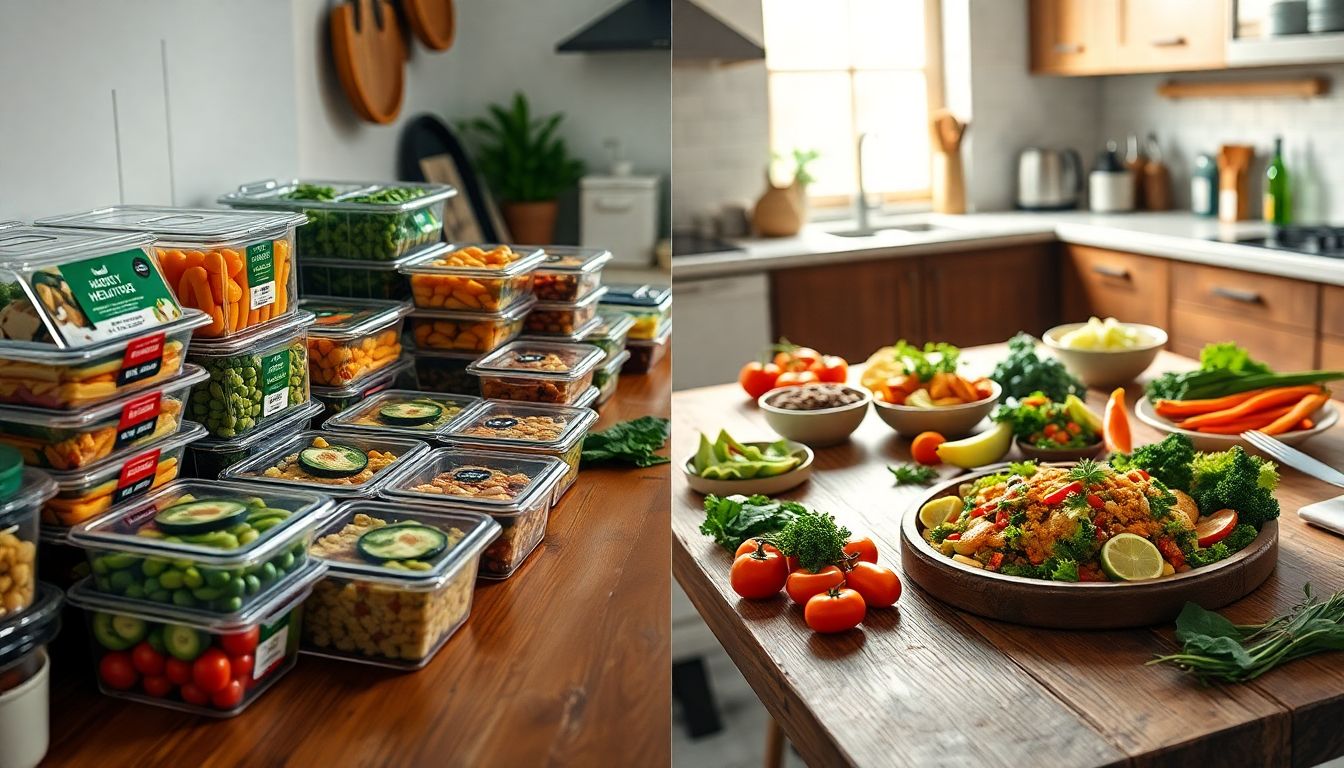
Why choose just one? You can mix store-bought and homemade meals. Use ready-made options on your busiest days and cook simple, healthy recipes when you have more time. This balance makes healthy eating easier and less stressful, fitting into any busy life.

Expert Insights and Data Highlights

Dietitians say that home-cooked meals regularly help improve overall health. Studies show that people who cook more tend to eat more fruits and vegetables. Meanwhile, consumers are increasingly seeking healthier ready-made choices, especially for lunch and quick dinners. The trend shows many prefer a mix of convenience and control.

Actionable Tips for Making Healthier Meal Choices

  • When buying store-bought, always read labels. Look for low sodium, sugar, and no added preservatives.
  • Keep ingredients like frozen vegetables, canned beans, and whole grains on hand to make cooking faster.
  • Plan meals in advance. Spend a little time on weekends prepping ingredients or cooking for the week.
  • Use simple recipes that require minimal steps but still pack a nutritional punch.
  • Shop in bulk to save money and reduce trips to the store.

Conclusion

Choosing between store-bought and homemade healthy meals isn’t about picking a winner. It’s about understanding what works best for your lifestyle and health goals. Store-bought options are quick, accessible, and diverse, while homemade meals offer control, freshness, and cost savings. Combining both approaches often leads to the best results—convenience on busy days and nutrition control during calmer times. Find your perfect balance and enjoy the journey toward better health with smarter eating choices.


Making Takeout Orders Healthier—Dietitians’ Top Tips

Making Takeout Orders Healthier—Dietitians’ Top Tips

Making Takeout Orders Healthier—Dietitians’ Top Tips for Better Eating on the Go

Making Takeout Orders Healthier—Dietitians’ Top Tips for Better Eating on the Go

Eating takeout has become a regular part of many lives. It’s easy, quick, and fits busy schedules. But with convenience comes concern. Many takeout meals hide unhealthy ingredients, excessive calories, and too much salt. This makes it hard to stick to a healthy diet without giving up your favorite foods. Luckily, dietitians have practical tips that can help you enjoy takeout without sacrificing your health. Small changes can make a big difference, turning takeout into a smarter choice.

Understanding the Nutritional Challenges of Takeout Food

The Hidden Calories and Sodium Content

Many takeout dishes are packed with hidden calories and salt. Deep-fried foods, rich sauces, and processed ingredients boost flavor but also add unnecessary fat and sodium. For example, a single burger can have more than 1,000 calories, mainly from cheese, bread, and sauces. High sodium intake from takeout meals can raise blood pressure and increase health risks. It’s easy to underestimate how much salt sneaks into menu items. Knowing what to watch out for helps you make smarter choices.

Ingredient Quality and Portion Sizes

Restaurant meals often use ingredients that are less fresh or heavily processed. Large portions are common, making overeating tempting. Many people eat what’s on their plate without thinking about how much they’re consuming. Oversized servings can contribute to weight gain and energy imbalance. Being aware of portion sizes and aiming to order smaller portions or split dishes can help control intake and avoid overeating.

Cooking Methods and Use of Fats

Cooking techniques like frying and breading add unhealthy fats and calories. Heavy sauces also increase calorie count and sodium levels significantly. On the flip side, cooking methods like grilling, baking, or steaming preserve flavor while keeping added fats low. Choosing dishes prepared with these healthier methods makes a big difference in your overall diet.

Dietitians’ Top Tips for Healthier Takeout Orders

Choose Wisely: Menu Navigation Strategies

Prioritize Grilled, Baked, or Steamed Options

These cooking methods typically contain less fat and fewer calories than fried or breaded dishes. Look for words like “grilled,” “baked,” “steamed,” or “roasted” when selecting a meal. These choices keep the flavor but cut down on unhealthy fats and calories. For example, a grilled chicken salad is a far better option than fried chicken.

Look for Nutrition Labels and Descriptions

Many restaurant menus include nutritional info online or on their website. Look for keywords that suggest healthier choices, such as “low-fat,” “healthy,” or “lean.” Check for calorie counts and sodium content before ordering. This extra step can steer you toward better options and help you stay within your health goals.

Modify Your Orders to Reduce Unhealthy Ingredients

Request Less Sodium and Fewer Sauces

Ask for dishes to be prepared with less salt or sauces on the side. This way, you control how much seasoning you add. Many dishes come with high-sodium sauces like soy, creamy dressings, or gravy—requesting these on the side helps you cut back. For instance, you can ask for your burger without cheese or sauce to save calories and sodium.

Ask for Smaller Portions or Share Dishes

Portion control is critical. Opt for smaller sizes when available or split a meal with a friend. Sharing not only reduces calorie intake but also turns dining into a fun social activity. Many restaurants offer half-portions or mini versions, which can satisfy your craving without excess.

Incorporate Nutrient-Dense Sides and Add-ons

Opt for Vegetables, Salads, and Whole-Grain Sides

Adding vegetables or salads boosts your fiber and nutrient intake. Choose options like a side of steamed broccoli, a garden salad, or a whole-grain side such as brown rice. These choices help balance your meal and keep you feeling full longer. Whole grains provide more nutrients and fiber than white rice or bread.

Include Healthy Beverages

Choose water, herbal tea, or low-calorie drinks instead of sugary sodas or high-calorie smoothies. Cutting back on sugary beverages reduces added sugar intake, which benefits your weight and health. Always carry a water bottle if possible, especially during busy days or outings.

Practical Tips for Mindful Eating and Preparation

Plan Ahead and Research Restaurants

Look up menus in advance using food apps or review sites. Many offer healthier options or user reviews that highlight nutritious choices. Knowing what you plan to order helps avoid impulsive, less healthy selections. Create a mental list of your favorites and stick to it.

Practice Portion Control and Mindful Eating

Eat slowly and savor each bite. This helps you recognize when you’re full and prevents overeating. Avoid distractions like screens or busy environments when you’re eating. Focus on your food, which makes you more aware of portion sizes and hunger cues.

Real-World Examples and Expert Insights

Many people have improved their takeout habits with simple changes. For example, Sarah started ordering half-sized sushi rolls and adding extra vegetables, helping her enjoy her favorite meal without guilt. Registered dietitians agree—small adjustments like customizing orders or choosing nutrient-rich sides can have a big impact. Studies show that mindful eating and controlling portion sizes are key to maintaining a healthy weight and nutrition balance, even with takeout.

Conclusion

Eating takeout doesn’t mean you have to sacrifice your health. By choosing wisely, making small modifications, and practicing mindful eating, you can enjoy your favorite meals while staying on track. Remember, change doesn’t happen overnight—start with one or two tips and build from there. Balance convenience with nutrition, and you’ll feel better and healthier. So next time you order takeout, use these simple strategies, and enjoy your food without guilt. Your body will thank you.

Which Nuts Are The Healthiest?


Healthy Nuts

Which Nuts Are The Healthiest? The Top Protein-Packed Answer Might Surprise You

Introduction

Nuts are everywhere these days. People love snacking on them, adding them to salads, or blending them into smoothies. They’re seen as a healthy food option, especially because of their high protein content. But not all nuts are created equal when it comes to health benefits. Some nuts pack more protein and nutrients than others, making them better choices for your diet. So, which nuts really stand out as the best for your health and muscle needs? Let’s find out.

The Nutritional Power of Nuts: Why They Are Considered Superfoods

Nuts are tiny but mighty. They’re loaded with healthy fats, fiber, vitamins, and minerals. These nutrients help lower bad cholesterol, fight off inflammation, and support your immune system. Scientific studies show that eating nuts regularly can reduce the risk of heart disease and type 2 diabetes. But remember, portion control is key. A handful of nuts provides plenty of nutrition without overloading on calories. Choosing the right types of nuts can boost your health even more.

Which Nuts Have the Highest Protein Content?

Different nuts contain varying amounts of protein, which is important for muscle growth, repair, and overall health. To understand which nuts are best for protein, look at serving sizes and compare their nutrient content. Here’s a quick chart showing the protein per ounce for popular nuts:

Nut Protein per Ounce
almonds 6 grams
pistachios 6 grams
peanuts 7 grams
cashews 5 grams
hazelnuts 4 grams
Brazil nuts 4 grams

The winners for top protein are almonds, pistachios, and peanuts. Let’s explore what makes each of them special.

Almonds: The Versatile Protein Powerhouse

Almonds are a favorite snack for many people. They pack about 6 grams of protein in just one ounce. Beyond protein, almonds are rich in vitamin E, magnesium, and fiber. Eating almonds can help improve your heart health and stabilize blood sugar levels. You can toss them into yogurt, enjoy them roasted, or add sliced almonds to your salads for an extra crunch.

Pistachios: Small but High in Protein

Pistachios are tiny but mighty, with around 6 grams of protein per ounce. They are also rich in fiber, which keeps your digestive system happy. Plus, they contain healthy fats that support heart health. Pistachios are excellent for weight control since their shells slow down eating and help you enjoy them more mindfully. Remember to keep portions in check for maximum benefits.

Peanuts: The Protein-Rich Legume Nut Hybrid

Although technically a legume, peanuts are often grouped with nuts because of their nutritional profile. They contain approximately 7 grams of protein per ounce—more than most tree nuts. Peanuts are also a good source of healthy fats and B-vitamins. Just be cautious if you have allergies, and always choose natural, unsalted varieties for the healthiest snack.

Other Noteworthy Nuts

  • Cashews: Offer about 5 grams of protein per ounce, plus they’re loaded with copper, which helps maintain healthy bones and immune function.
  • Hazelnuts: Contain around 4 grams of protein and are rich in vitamin E, which acts as an antioxidant.
  • Brazil nuts: Although they have about 4 grams of protein, they’re best known for their high selenium content, essential for thyroid health and immune support.

Surprising Insights: The Nut That Packs a Protein Punch and Other Hidden Benefits

Did you know that chestnuts actually have more carbs than fats? But they’re also surprisingly high in protein compared to other nuts—about 3 grams per ounce. Chestnuts are also rich in vitamin C, which most nuts lack. Scientific research suggests that many nuts offer more than just protein: they have antioxidants, anti-inflammatory compounds, and help improve cholesterol levels. Nutritionists agree that variety is the key. Different nuts give you different benefits, so mix and match.

How to Incorporate More Nut-Based Proteins into Your Diet

Adding nuts to your meals is easier than you think:

  • Swap your regular snack for a handful of mixed nuts.
  • Top oatmeal or yogurt with sliced almonds or chopped walnuts.
  • Make homemade trail mix with pistachios, peanuts, and dried fruit.
  • Use nut butters on whole grain bread or as a dip for fruits.
  • Try roasting nuts with spices for a flavorful treat.

To get the most nutrients, consider sprouting or lightly roasting nuts — but avoid overdoing it to prevent nutrient loss. Keep allergies in mind, and remember that nuts are calorie-dense. Stick to proper portions.

The Bottom Line: Choosing the Healthiest Nuts for Your Lifestyle

Not all nuts are equal when it comes to protein and health benefits. Almonds, pistachios, and peanuts lead the pack as top contenders for their protein content. But each nut offers unique nutrients and health perks. Whether you’re aiming to lose weight, build muscle, or just stay healthy, mixing different nuts into your diet is a smart move. Remember, moderation is key to enjoying their benefits without excess calories.

Conclusion

Nuts are an incredible source of plant-based protein and nutrients. They help boost your health, support muscle growth, and even protect against disease. Incorporating a variety of nuts into your meals and snacks can make a big difference. So why not start today? Experiment with different types, and discover what works best for you. Your body will thank you for it.