


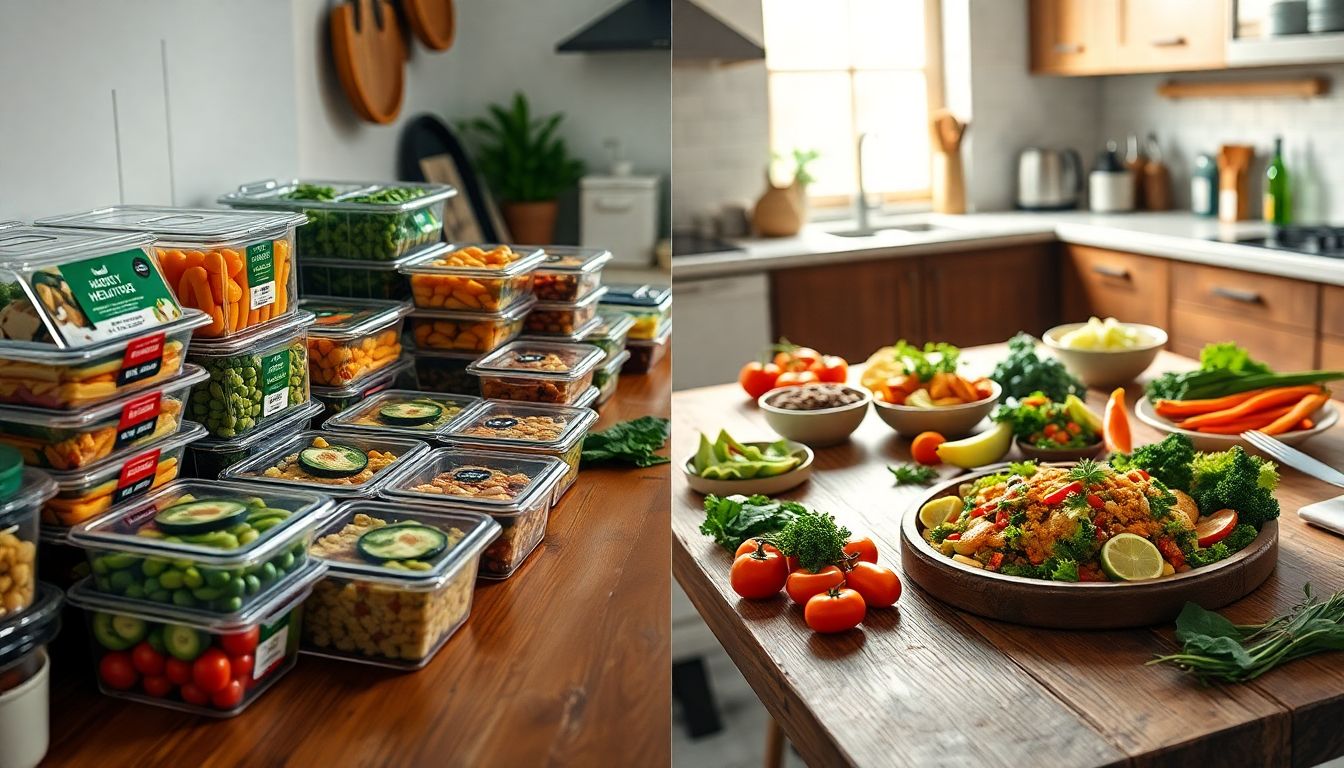
Comparing Store-Bought vs Homemade Healthy Meals—What’s Better?
Introduction
Eating healthy is more popular than ever. People want quick, nutritious options that fit busy schedules. But they often face a tough choice: should they buy ready-made meals or cook at home? Each option has pros and cons. Knowing the differences helps you make smarter choices, saving time and supporting your health. Let’s explore how store-bought and homemade meals compare in nutrition, cost, convenience, flavor, and health benefits.
The Benefits of Store-Bought Healthy Meals
Convenience and Time-Saving Aspects
For many, the biggest perk of store-bought healthy meals is how fast they are to eat. No cooking required. Supermarkets have salads, wraps, and microwaveable dishes that are ready in minutes. Meal delivery services also make it easy to get nutritious food at your doorstep. These options let you focus on work or family while staying healthy. They are perfect if your schedule is packed tight.
Nutritional Content and Regulation
Store-bought meals often come with labels showing calories, fats, and other nutrients. Many are certified healthy by health organizations. Some are fortified with extra vitamins or minerals, giving you more benefits in one sitting. But, be aware: the nutrition quality can vary. Not all pre-made meals are low in sodium, sugar, or preservatives, so reading labels carefully is important.
Cost Comparison
Buying ready-made healthy food can sometimes seem expensive upfront. But if you compare the cost of ingredients for homemade meals, store-bought options may save you money—especially if you buy in bulk or subscribe to meal boxes. Over time, you might find eating prepared healthy meals cheaper than constantly shopping for fresh ingredients.
Variety and Accessibility
Supermarkets have a wide range of healthy options from different cuisines. Want Asian, Mediterranean, or vegetarian dishes? You’ll find them easily. Store layouts and marketing also influence what you pick, making it simple to try new flavors. For people with limited cooking skills or resources, store-bought healthy meals are often the best way to eat well.
The Advantages of Homemade Healthy Meals
Customization and Control
Cooking at home gives you the power to shape your meal exactly how you want. Need to cut down on salt? You control every ingredient. Want to add more protein or vegetables? Easy. Homemade meals let you follow specific diets, whether for health conditions like high blood pressure or personal goals.
Nutritional Freshness and Quality
Cooking with fresh, whole ingredients means less processing and fewer additives. You often get more vitamins better preserved when you cook at home. Plus, using whole foods reduces intake of unhealthy chemicals commonly found in some store-bought options.
Cost-Effectiveness Over Time
Preparing meals at home is often cheaper in the long run. Buying ingredients in bulk and making multiple portions can save hundreds of dollars per year. Meal prepping allows you to plan ahead, reduce waste, and stick to a budget—making healthy living more affordable.
Cooking as a Healthy Lifestyle Habit
Getting into a routine of cooking boosts your culinary skills and confidence. It feels rewarding to make your own meals, and it can improve mental health too. Meal prepping becomes a healthy habit that benefits your body and mind, encouraging a more balanced lifestyle.
Challenges and Considerations
Store-Bought Meal Limitations
Pre-made meals might be tasty, but they often contain too much salt, preservatives, or sugar. For daily eating, these extras add up, and that can be bad for your health. Cost can also spike if you rely on them daily. Plus, you'll depend on commercial formulas, which may not always match your unique needs.
Homemade Meal Barriers
Cooking every day takes time, effort, and skills you might not have. Ingredients can be hard to find or store, especially if you're on a tight schedule or live far from stores. Inconsistent results can happen, especially if you're just starting out in the kitchen.
Balancing Both Approaches
Why choose just one? You can mix store-bought and homemade meals. Use ready-made options on your busiest days and cook simple, healthy recipes when you have more time. This balance makes healthy eating easier and less stressful, fitting into any busy life.
Expert Insights and Data Highlights
Dietitians say that home-cooked meals regularly help improve overall health. Studies show that people who cook more tend to eat more fruits and vegetables. Meanwhile, consumers are increasingly seeking healthier ready-made choices, especially for lunch and quick dinners. The trend shows many prefer a mix of convenience and control.
Actionable Tips for Making Healthier Meal Choices
- When buying store-bought, always read labels. Look for low sodium, sugar, and no added preservatives.
- Keep ingredients like frozen vegetables, canned beans, and whole grains on hand to make cooking faster.
- Plan meals in advance. Spend a little time on weekends prepping ingredients or cooking for the week.
- Use simple recipes that require minimal steps but still pack a nutritional punch.
- Shop in bulk to save money and reduce trips to the store.
Conclusion
Choosing between store-bought and homemade healthy meals isn’t about picking a winner. It’s about understanding what works best for your lifestyle and health goals. Store-bought options are quick, accessible, and diverse, while homemade meals offer control, freshness, and cost savings. Combining both approaches often leads to the best results—convenience on busy days and nutrition control during calmer times. Find your perfect balance and enjoy the journey toward better health with smarter eating choices.


0 Comments:
Post a Comment