


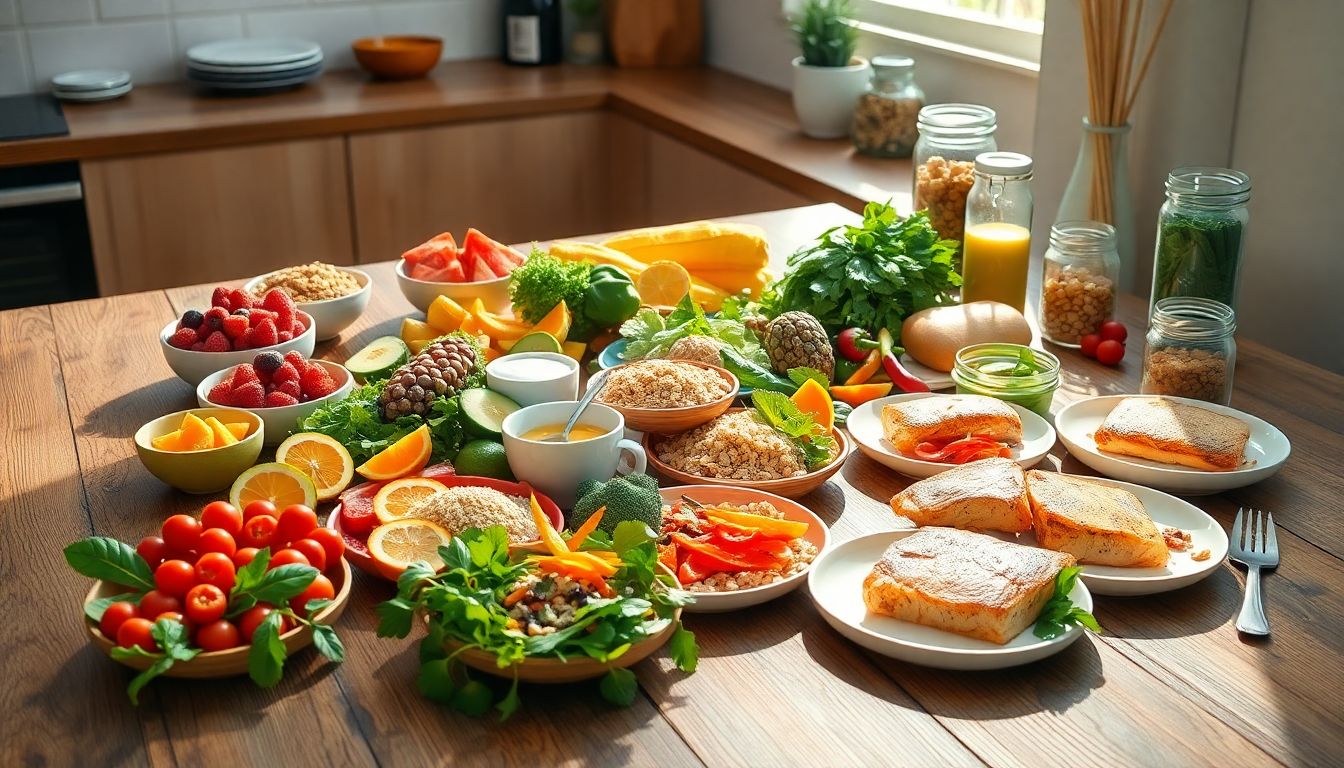
7-Day Clean-Eating Diet Plan for Optimal Health and Wellness
Introduction
Clean eating is gaining popularity fast because many want to live healthier lives. People see benefits like more energy, better digestion, and weight management. But starting this kind of diet can be tricky—change is hard, and knowing where to begin is even harder. That’s where a simple, structured plan can help. In just seven days, you can build habits that last long-term, boost your health, and feel great every day.
Understanding Clean Eating: What It Really Means
Definition and Principles of Clean Eating
Clean eating is all about choosing whole, minimally processed foods. Think fresh fruits, vegetables, nuts, and lean meats instead of junk food, fast food, or snacks full of artificial ingredients. It means avoiding foods with added sugar, preservatives, and chemicals. The idea is to eat foods as close to nature as possible.
Benefits Backed by Research
Science shows clean eating can improve your cholesterol and blood sugar levels and boost energy. Eating whole grains and fresh produce helps cut bad fats and lowers risk factors for many diseases. Many studies even find that clean eaters feel less tired and more alert.
Common Misconceptions
Some believe clean eating is super expensive or too strict. That’s not true. It doesn’t mean cutting out all treats; it’s about making better choices most of the time. You can enjoy your favorite foods in moderation when you focus on real, whole ingredients.
Preparation Before Starting Your 7-Day Clean-Eating Plan
Setting Realistic Goals
Start with simple goals that fit your life. Maybe aim to add more veggies or cut back on sugar. Small changes feel less overwhelming and are easier to stick with.
Stocking Your Kitchen
Get your kitchen ready with healthy staples. Stock up on dried beans, whole grains, fresh fruits, vegetables, nuts, and seeds. Prep some meals ahead of time, like batch-cooked rice or grilled chicken, to save time during busy days.
Consulting Professionals
If you have health issues or want personalized advice, talk to a dietitian or healthcare provider. They can help you create a plan that fits your needs.
The 7-Day Clean-Eating Meal Plan
 Day 1: Kickoff with Fresh Fruits and Vegetables

Start by filling your plate with colorful produce. For breakfast, try Greek yogurt topped with berries. Lunch could be a salad with mixed greens, cherry tomatoes, and grilled chicken. Dinner might be roasted veggies with quinoa. Snacks include apple slices or carrot sticks.
Day 2: Whole Grains and Lean Proteins
Incorporate whole grains like oats, brown rice, and quinoa. Add lean proteins such as turkey or fish. For breakfast, enjoy oatmeal with nuts. For lunch, try a wrap with turkey and fresh vegetables. Dinner could be baked salmon with brown rice.
Day 3: Healthy Fats and Nuts
Include healthy fats from avocados, nuts, and seeds. Add a handful of almonds or chia seeds to yogurt. Breakfast might be avocado toast. Lunch could feature a spinach salad with walnuts and olive oil. Dinner may be grilled chicken with a side of roasted sweet potatoes.
Day 4: Hydration and Detox
Drink plenty of water and herbal teas. Avoid sugary drinks like soda or energy drinks. Keep a water bottle handy throughout the day. Infuse your water with lemon or mint for flavor.
Day 5: Plant-Based Focus
Switch part of your meals to include more plant-based proteins, like beans or lentils. Make veggie stir-fry with tofu or lentil soup. For lunch, enjoy a chickpea salad. Dinner could be veggie pasta with tomato sauce.
Day 6: Fiber-Rich Foods
Eat foods high in fiber to help digestion and keep you full longer. Include beans, whole grains, and fiber-rich vegetables like broccoli and carrots. Breakfast could be whole grain pancakes with berries. Lunch might be a veggie and hummus wrap.
Day 7: Reassessing and Planning Forward
Reflect on your progress this week. Notice how your body feels and what meals you enjoyed most. Think about making some of these habits permanent. Planning your meals for the next week keeps you on track.
Tips for Success During the Clean-Eating Journey
Meal Planning and Preparation
Batch cook meals and prep ingredients ahead of time. Keep healthy snacks like nuts, fruit, or veggie sticks ready. This makes it easier to stay on track when you’re busy.
Staying Motivated
Track your progress with photos or journals. Celebrate small wins—like a week without junk food. Join online groups or find friends who support your goals.
Managing Social Situations
Eat mindfully when dining out. Look for dishes with grilled meats and vegetables. Don’t hesitate to ask for modifications. Bring a healthy snack if needed at parties.

Expert Insights and Evidence-Based Tips
Many dietitians agree that clean eating isn’t about perfection but about balance and choice. According to research, eating mostly whole foods reduces risks of chronic diseases. Experts recommend starting small, so you don’t feel overwhelmed, and focusing on habits that last.
Conclusion
Trying a 7-day clean-eating plan can hugely boost your health. It’s more than just a diet—it's a step toward a healthier lifestyle. Small changes, over time, lead to big improvements. Make these seven days the start of your journey to better wellness and energy every day.
Additional Resources
- Download sample meal templates and shopping lists to get started.
- Check out clean-eating cookbooks like "The Whole30" or blogs such as "Detoxinista."
- Read scientific studies on the benefits of whole foods for long-term health.
Take action today: Start with small swaps, plan ahead, and enjoy the benefits of clean eating. Your body will thank you.


0 Comments:
Post a Comment