


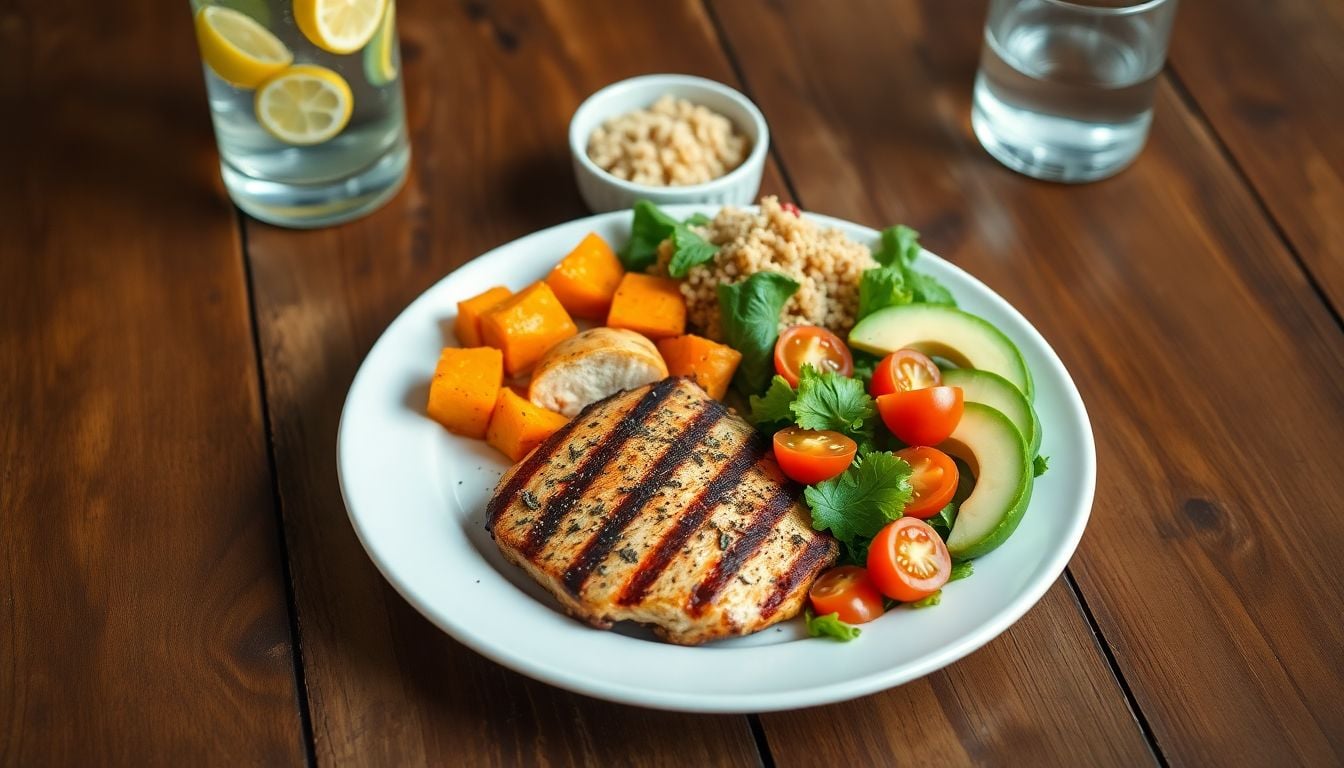
What a Balanced Dinner Plate Looks Like for Pre-Diabetes:
What a Balanced Dinner Plate Looks Like for Pre-DiabetesUltimate Guide to Managing Blood Sugar
Introduction
Having pre-diabetes is a sign your body isn't handling sugar well. Eating the right dinner can help keep blood sugar steady and prevent full-blown diabetes later. Poor food choices—like sugary snacks and processed meals—make things worse. By focusing on nutrient-rich, portion-controlled dishes, you can better control blood sugar and support overall health.
Understanding Pre-Diabetes and Its Dietary Implications
What is Pre-Diabetes?
Pre-diabetes means your blood sugar levels are higher than normal but not high enough to be diabetes. It's a warning sign that your body isn't using insulin properly. Nearly 1 in 3 adults in the US has pre-diabetes, often without knowing it. Common risk factors include being overweight, inactive, or having a family history of diabetes.
Why Diet Matters for Pre-Diabetes
Food plays a big role in managing pre-diabetes. Certain carbs can spike blood sugar, while others help keep levels stable. Eating smart early can delay or prevent type 2 diabetes. A well-planned dinner makes a big difference in blood sugar control.
Common Dietary Challenges
Many struggle with cravings for sugar and processed foods. Hidden sugars in sauces, bread, and snacks catch people off guard. Unhealthy fats, like trans fats and excess saturated fats, pose risks too. Learning to spot these and choosing healthier options is key.
Components of a Balanced Dinner Plate for Pre-Diabetes
Visualizing the Plate: The Plate Method
The plate method is the easiest way to build a balanced dinner. It recommends filling half your plate with non-starchy vegetables, a quarter with lean protein, and a quarter with healthy carbs. This approach helps keep portions in check and blood sugar steady.
Carbohydrates: Choosing the Right Sources
Carbs are tricky because they impact blood sugar. Focus on low Glycemic Index (GI) foods, like non-starchy vegetables, whole grains, and legumes. These release sugar slowly, preventing spikes. Use measuring cups to control portion sizes—usually a half-cup of grains or beans per serving works well.
Protein: Building Blocks for Better Blood Sugar Control
Protein helps you feel full and stabilizes blood sugar after meals. Choose lean options like chicken, fish, eggs, or plant-based proteins such as tofu or beans. A typical protein portion should be about the size of your palm—roughly 3-4 ounces.
Healthy Fats: Supporting Heart and Blood Sugar Health
 Healthy fats support your heart and help regulate blood sugar. Sources include nuts, seeds, avocados, and olive oil. Add a small handful of nuts or a slice of avocado, but watch portion sizes—fat is calorie-dense.
Vegetables: Filling Up with Fiber and Nutrients
Non-starchy vegetables are your best friends. Think leafy greens, peppers, broccoli, and zucchini. They pack fiber and nutrients with few carbs. Light steaming or sautéing preserves vitamins and makes veggies tasty.
Fruits: Choosing Wisely
Fruits are healthy but should be eaten in moderation. Berries, cherries, and apples are good low-GI options. Keep fruit servings small—about half a cup—and avoid fruit juices, which can spike blood sugar easily.
Practical Tips for Preparing and Enjoying a Balanced Dinner
Meal Planning and Prep
Plan your meals weekly. Prepare ingredients like chopped veggies or cooked grains ahead. Use seasonal produce to keep costs down and flavors fresh. Batch cooking saves time and keeps your diet on track.
Mindful Eating Habits
Eat slowly and listen to your body's signals. Put utensils down between bites and focus on your food. Avoid eating while distracted—TV or work—so you recognize when you're full. This helps prevent overeating.
Reading Food Labels and Ingredient Lists
Check labels for added sugars and unhealthy fats. Look for words like "high fructose corn syrup" or "partially hydrogenated oils." Stick to products with whole ingredients and watch portion sizes.
Making Healthy Substitutions
Swap white rice for brown rice or quinoa. Use herbs and spices instead of salt or sugar to add flavor. Choose whole grain bread and snacks over refined options for better blood sugar control.
Incorporating Physical Activity
A short walk after dinner can improve blood sugar management. Regular activity combined with a balanced diet helps your body better use insulin. Find activities you enjoy to stay consistent.

Expert Insights and Evidence-Based Recommendations
Endocrinologists emphasize that balanced meals with controlled portions improve blood sugar. Registered dietitians recommend focusing on whole foods and fiber-rich ingredients. Studies show that a diet with balanced carbs, protein, and fats helps delay diabetes progression. Follow guidelines from health groups like the American Diabetes Association for best results.
Conclusion and Key Takeaways
Your dinner plate plays a vital role in managing pre-diabetes. Fill half with vegetables, a quarter with healthy carbs, and a quarter with lean protein. Keep portions in check and choose foods that stabilize blood sugar. Practice mindful eating and plan ahead for success. Small changes today can lead to better health tomorrow. Start making these simple adjustments and take charge of your blood sugar levels now.


0 Comments:
Post a Comment