


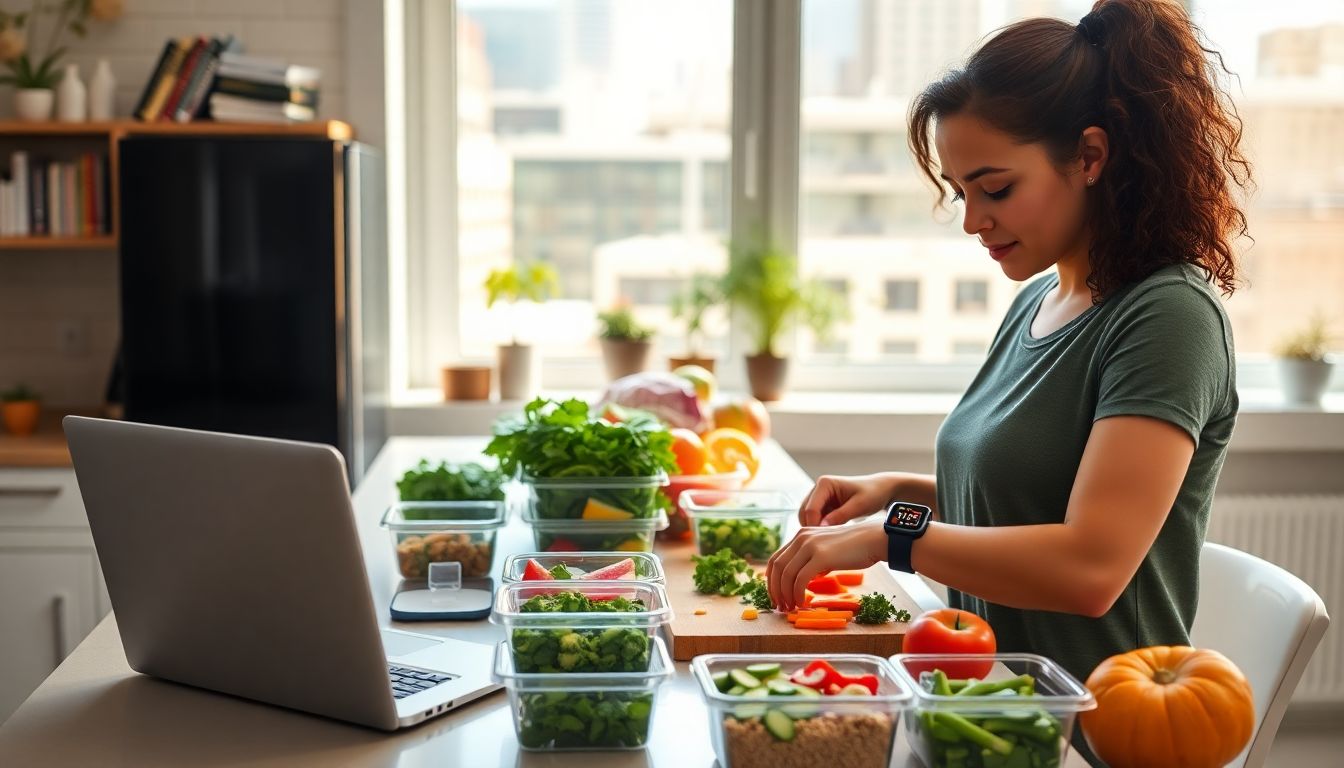
How to Plan Healthy Meals in a Busy Schedule
Introduction
Eating well matters more than ever, especially when life moves fast. Nutritious food fuels your body, lifts your mood, and helps you get through long days. But with work, chores, kids, and everything else, finding time to cook balanced meals can seem impossible. Many get stuck in a cycle of grab-and-go or skipping meals altogether. The truth is, healthy eating doesn't need to drain your energy or take hours. Small, simple changes can make a big difference, even with a packed schedule. Planning smartly turns busy days into opportunities for nourishing yourself without extra stress.
Understanding Your Meal Planning Needs and Goals
Assessing Your Current Lifestyle and Schedule
Start by laying out your daily routines. When do you wake up? What are your busy periods? Do you have quiet moments where preparing food is possible? Listing these times helps you spot openings for meal prep or quick snacks. Know your peak rush hours and plan around them. Maybe mornings are hectic, but evenings are calmer. Recognizing these windows makes meal planning easier and more realistic.
Setting Realistic Health Goals
Next, decide what you want to achieve with your meals. Do you want to eat more vegetables? Cut back on processed foods? Be specific and measurable. For instance, aim to add veggies to every lunch or cut soda from your drinks. Align these goals with your schedule and tastes. If you dislike salads, maybe you could try roasted veggies or smoothies. Keep your goals simple and achievable to stay motivated.
Identifying Favorite Healthy Meals and Snacks
\Make a list of quick, healthy foods you enjoy. Think of easy-to-make options like yogurt with fruit, whole-grain wraps, or nuts. Having go-to snacks prevents you from reaching for junk. Balance variety with simplicity by choosing meals you can whip up in a few minutes. Include some new recipes to keep things fresh. The more you enjoy your meals, the easier it will be to stick with your plan.
Essential Strategies for Efficient Meal Planning
Batch Cooking and Meal Prep
Preparing meals in big batches saves time and lowers stress. Pick recipes that store well—like chili, casseroles, or pasta salads. Cook once and divide into portions for the week. Use quality containers to keep food fresh. Labeling helps you grab what you need quickly. Batch cooking reduces daily cooking and keeps you on track with healthy choices.
Using Time-Saving Tools and Appliances
Make use of gadgets like slow cookers, instant pots, and food processors. They cut down cooking time and cleanup. For example, a slow cooker can prepare a hearty stew while you're at work. Food processors quicken chopping and blending. Handy containers make storage simple and mess-free. These tools are game changers for busy households.
Creating a Weekly Meal Plan
Start by choosing meals for each day. Balance proteins, carbs, and veggies. Keep some flexibility for unexpected plans. For example, prepare ingredients in advance for quick dinners. Use a calendar or app to organize your plan. This way, grocery shopping becomes faster and you avoid last-minute takeout. Sticking to a plan helps you stay consistent.
Building a Healthy Grocery List
Plan your shopping list based on your meal plan. Break it into categories: produce, proteins, grains, dairy, snacks. Stick to your list to avoid impulse buys. Shop around the edges of the store for fresh produce and lean meats. Use coupons or buy in bulk to save money. Stocking your pantry with staples like rice and beans simplifies meal creation.
Practical Tips for Staying on Track Amid a Busy Schedule
Prioritizing Meal Preparation
Set specific days and times for prep, like Sunday afternoons or Wednesday evenings. Pre-cut vegetables or portion snacks ahead of time. Keep healthy snacks handy—fruit, nuts, granola bars. These quick options prevent hunger from forcing you into unhealthy choices. Even 10 minutes of prep can make meals easier later.
Incorporating Nutrient-Dense Foods
Choose easy superfoods like spinach, berries, and nuts. Use ingredients like eggs, chicken, and fresh produce for quick satisfying meals. Try smoothies, wraps, or salads packed with nutrients. These options keep your energy high without spending hours in the kitchen.
Managing Dining Out and Takeout
When you eat out, pick healthier options like salads, grilled dishes, or veggie-packed meals. Avoid fried foods and creamy sauces. Many restaurants now offer nutritious choices—look for them. When ordering takeout, ask for sauces on the side or choose lighter options. Planning ahead makes eating out less of a health risk.
Staying Flexible and Motivated
Schedules change—be ready to adapt. If plans fall through, swap meals or switch ingredients. Keep track of your progress by noting small wins. Celebrate your healthy choices with a smile, not guilt. Remember, consistency matters more than perfection.
Overcoming Common Challenges
Dealing with Time Constraints
When there's barely time to breathe, opt for quick meals under 15 minutes. Think scrambled eggs, fruit, or yogurt with nuts. Use frozen vegetables and pre-cooked grains—they save prep time. These shortcuts let you eat well even on your busiest days.
Avoiding Meal Burnout
\Cooking the same meals can get boring. Mix it up by rotating recipes or trying new ingredients regularly. For example, swap chicken for fish or try a different grain. Small changes keep your meals interesting and prevent boredom-driven splurges.
Budget-Friendly Meal Planning
Eat healthy without breaking the bank. Buy whole foods in bulk, like rice, beans, and oats. Use pantry staples to create diverse meals. Shop sales and seasonal produce to save money. Planning ahead reduces unnecessary spending on convenience foods.
Conclusion
Efficient meal planning is a powerful tool for busy people who want to eat healthier. Take time to assess your current routine, set clear goals, and prepare smartly. Batch cooking, using helpful gadgets, and crafting a weekly plan make healthy eating manageable. Stay flexible, make quick nutrient-rich meals, and keep your goals in sight. Every small step adds up to a healthier you. Start simple, stay consistent, and remember—your busy schedule isn't an excuse; it’s a reason to plan better. Nourish yourself with intention, and enjoy the benefits of a healthier lifestyle today.
\ \


0 Comments:
Post a Comment