


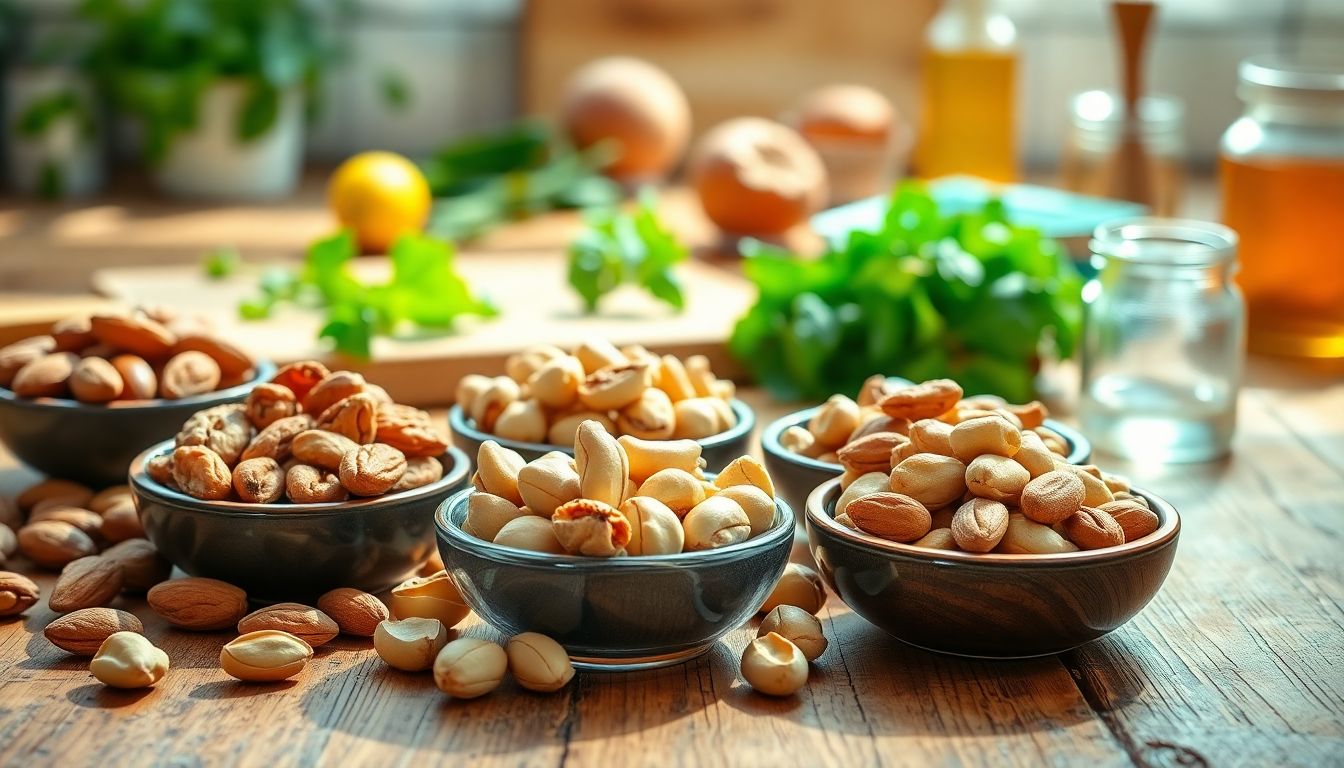
Which Nuts Are The Healthiest? The Top Protein-Packed Answer Might Surprise You
Introduction
Nuts are everywhere these days. People love snacking on them, adding them to salads, or blending them into smoothies. They’re seen as a healthy food option, especially because of their high protein content. But not all nuts are created equal when it comes to health benefits. Some nuts pack more protein and nutrients than others, making them better choices for your diet. So, which nuts really stand out as the best for your health and muscle needs? Let’s find out.
The Nutritional Power of Nuts: Why They Are Considered Superfoods
Nuts are tiny but mighty. They’re loaded with healthy fats, fiber, vitamins, and minerals. These nutrients help lower bad cholesterol, fight off inflammation, and support your immune system. Scientific studies show that eating nuts regularly can reduce the risk of heart disease and type 2 diabetes. But remember, portion control is key. A handful of nuts provides plenty of nutrition without overloading on calories. Choosing the right types of nuts can boost your health even more.
Which Nuts Have the Highest Protein Content?
Different nuts contain varying amounts of protein, which is important for muscle growth, repair, and overall health. To understand which nuts are best for protein, look at serving sizes and compare their nutrient content. Here’s a quick chart showing the protein per ounce for popular nuts:
| Nut | Protein per Ounce |
|---|---|
| almonds | 6 grams |
| pistachios | 6 grams |
| peanuts | 7 grams |
| cashews | 5 grams |
| hazelnuts | 4 grams |
| Brazil nuts | 4 grams |
The winners for top protein are almonds, pistachios, and peanuts. Let’s explore what makes each of them special.
Almonds: The Versatile Protein Powerhouse
Almonds are a favorite snack for many people. They pack about 6 grams of protein in just one ounce. Beyond protein, almonds are rich in vitamin E, magnesium, and fiber. Eating almonds can help improve your heart health and stabilize blood sugar levels. You can toss them into yogurt, enjoy them roasted, or add sliced almonds to your salads for an extra crunch.
Pistachios: Small but High in Protein
Pistachios are tiny but mighty, with around 6 grams of protein per ounce. They are also rich in fiber, which keeps your digestive system happy. Plus, they contain healthy fats that support heart health. Pistachios are excellent for weight control since their shells slow down eating and help you enjoy them more mindfully. Remember to keep portions in check for maximum benefits.
Peanuts: The Protein-Rich Legume Nut Hybrid
Although technically a legume, peanuts are often grouped with nuts because of their nutritional profile. They contain approximately 7 grams of protein per ounce—more than most tree nuts. Peanuts are also a good source of healthy fats and B-vitamins. Just be cautious if you have allergies, and always choose natural, unsalted varieties for the healthiest snack.
Other Noteworthy Nuts
- Cashews: Offer about 5 grams of protein per ounce, plus they’re loaded with copper, which helps maintain healthy bones and immune function.
- Hazelnuts: Contain around 4 grams of protein and are rich in vitamin E, which acts as an antioxidant.
- Brazil nuts: Although they have about 4 grams of protein, they’re best known for their high selenium content, essential for thyroid health and immune support.
Surprising Insights: The Nut That Packs a Protein Punch and Other Hidden Benefits
Did you know that chestnuts actually have more carbs than fats? But they’re also surprisingly high in protein compared to other nuts—about 3 grams per ounce. Chestnuts are also rich in vitamin C, which most nuts lack. Scientific research suggests that many nuts offer more than just protein: they have antioxidants, anti-inflammatory compounds, and help improve cholesterol levels. Nutritionists agree that variety is the key. Different nuts give you different benefits, so mix and match.
How to Incorporate More Nut-Based Proteins into Your Diet
Adding nuts to your meals is easier than you think:
- Swap your regular snack for a handful of mixed nuts.
- Top oatmeal or yogurt with sliced almonds or chopped walnuts.
- Make homemade trail mix with pistachios, peanuts, and dried fruit.
- Use nut butters on whole grain bread or as a dip for fruits.
- Try roasting nuts with spices for a flavorful treat.
To get the most nutrients, consider sprouting or lightly roasting nuts — but avoid overdoing it to prevent nutrient loss. Keep allergies in mind, and remember that nuts are calorie-dense. Stick to proper portions.
The Bottom Line: Choosing the Healthiest Nuts for Your Lifestyle
Not all nuts are equal when it comes to protein and health benefits. Almonds, pistachios, and peanuts lead the pack as top contenders for their protein content. But each nut offers unique nutrients and health perks. Whether you’re aiming to lose weight, build muscle, or just stay healthy, mixing different nuts into your diet is a smart move. Remember, moderation is key to enjoying their benefits without excess calories.
Conclusion
Nuts are an incredible source of plant-based protein and nutrients. They help boost your health, support muscle growth, and even protect against disease. Incorporating a variety of nuts into your meals and snacks can make a big difference. So why not start today? Experiment with different types, and discover what works best for you. Your body will thank you for it.


0 Comments:
Post a Comment