

Appetizer

This is default featured slide 1 title

Go to Blogger edit html and find these sentences.Now replace these sentences with your own descriptions.This theme is Bloggerized by Lasantha Bandara - Premiumbloggertemplates.com.

This is default featured slide 2 title

Go to Blogger edit html and find these sentences.Now replace these sentences with your own descriptions.This theme is Bloggerized by Lasantha Bandara - Premiumbloggertemplates.com.

This is default featured slide 3 title

Go to Blogger edit html and find these sentences.Now replace these sentences with your own descriptions.This theme is Bloggerized by Lasantha Bandara - Premiumbloggertemplates.com.

This is default featured slide 4 title

Go to Blogger edit html and find these sentences.Now replace these sentences with your own descriptions.This theme is Bloggerized by Lasantha Bandara - Premiumbloggertemplates.com.

This is default featured slide 5 title

Go to Blogger edit html and find these sentences.Now replace these sentences with your own descriptions.This theme is Bloggerized by Lasantha Bandara - Premiumbloggertemplates.com.

Showing posts with label #blogger #foodblogger #usa #breakfast. Show all posts

When to Avoid Popular Supplements and Why


Supplement Risks

When to Avoid Popular Supplements and Why: A Complete Guide to Safe Supplement Use

Introduction

Every day, millions turn to dietary supplements to boost health or fill nutritional gaps. It’s common to believe that taking more supplements equals better health. But is that really true? Sometimes, popular supplements can do more harm than good. Knowing when to steer clear is crucial for your safety. Making informed choices backed by science keeps your health safe and effective. Not all supplements are harmless, especially when misused or taken without guidance.

The Potential Risks of Popular Supplements

Overuse and Excessive Dosages

Taking too much of a vitamin or mineral can backfire. For example, high doses of vitamin A may cause dizziness, nausea, or even liver damage. Iron supplements are safe in small amounts but can cause poisoning if taken excessively. Overdoing it on supplements can lead to toxicity. Excessive intake disrupts your body’s natural balance, risking serious health issues.

Interactions with Medications

Supplements can interfere with your prescription medicines. For example, St. John’s Wort can reduce the effectiveness of antidepressants. Ginseng might increase blood pressure or cause insomnia. These interactions can be dangerous or make your medications less effective. Always check with your doctor before combining supplements with prescription drugs.

Underlying Health Conditions

Certain health issues can worsen with supplement use. For example, people with kidney disease should avoid high-dose supplements, especially minerals. Some may experience adverse effects or worsen their condition. It's vital to get professional advice before starting any new supplement, especially if you have ongoing health issues.

Situations When You Should Avoid Certain Supplements

When Not Recommended by Healthcare Professionals

Skipping medical advice often leads to problems. Many adverse events occur simply because people self-prescribe supplements without guidance. Approximately 23,000 emergency room visits each year relate to supplement misuse. Consulting a healthcare provider can prevent dangerous mistakes and ensure safe usage.

During Pregnancy and Breastfeeding

Pregnancy and nursing are delicate times. Some supplements may harm the baby or interfere with development. For example, high doses of vitamin A can cause birth defects. Avoid herbal products like ginseng or herbal diuretics unless your doctor approves. Medical supervision is essential to protect both mother and child.

When Using Certain Medications

Supplements can reduce drug effectiveness or cause harmful reactions. For example, ginseng, garlic, or high doses of vitamin E may increase bleeding risk when you’re on blood thinners. Combining supplements and medication without proper guidance can be dangerous. Always talk to a healthcare provider about any supplement use if you’re on regular medicines.

Common Supplements That Are Often Unnecessary or Harmful

Weight Loss Supplements

Many weight loss pills promise quick results but rarely deliver. Most lack solid scientific backing and some increase health risks. Cases of liver damage and heart problems have been linked to popular fat burners. The FDA has removed many from shelves, yet new unsafe products keep appearing.

Energy and Performance Boosters

Supplements like DMAA or ephedra are popular for energy. But many are poorly regulated and dangerous. Side effects include high blood pressure, heart problems, or strokes. These boosters can be tempting but often outweigh benefits with real health risks.

Detox and Cleansing Products

People believe detox kits flush toxins. But scientific evidence shows they mostly don’t work. Some cause gastrointestinal distress, electrolyte imbalances, or dehydration. Your body naturally detoxifies through your liver and kidneys – no special product needed.

How to Identify When a Supplement Is Not Appropriate

Recognizing Misinformation and Overhyped Claims

Be skeptical of marketing hype. If a product promises magic cures or quick fixes, it’s likely not trustworthy. Always research claims on reputable sites like the FDA or NIH. Ask yourself: is there real science behind this?

Signs You Should Discontinue Use

Stop using a supplement if you experience negative symptoms. Allergic reactions, stomach pain, or dizziness are signs to cut it out. Regular health check-ups can catch adverse effects early. Trust your body and seek help if something feels off.

Expert Recommendations and Best Practices for Safe Supplement Use

Consulting Healthcare Providers

Always talk to a doctor or nutritionist before starting new supplements. They can give personalized advice based on your health history. This is especially vital if you take medications or have health concerns.

Reading Labels and Understanding Ingredients

Learn to decipher supplement labels. Look for clear ingredient lists, correct dosing, and third-party testing marks. Avoid products with hidden ingredients or unrecognized additives.

Focusing on Whole Foods and Balanced Diet

Supplements should not replace healthy eating. Fruits, vegetables, whole grains, and lean proteins provide nutrients naturally. Use supplements only as a complement, not a substitute for a balanced diet.

Staying Informed with Research and Regulations

Follow updates from reliable sources like the FDA or NIH. Scientific research constantly evolves, and regulatory standards change. Staying informed helps you avoid outdated or unsafe products.

Knowing when to avoid popular supplements is key to staying safe. Not every supplement is beneficial, and some can cause harm if misused. Always seek advice from healthcare professionals and prioritize your health first. Remember, supplements aren’t a substitute for a healthy lifestyle. Make wise choices, read labels carefully, and rely on science-backed information. Your health depends on informed decisions—so stay smart and safe when it comes to supplements.
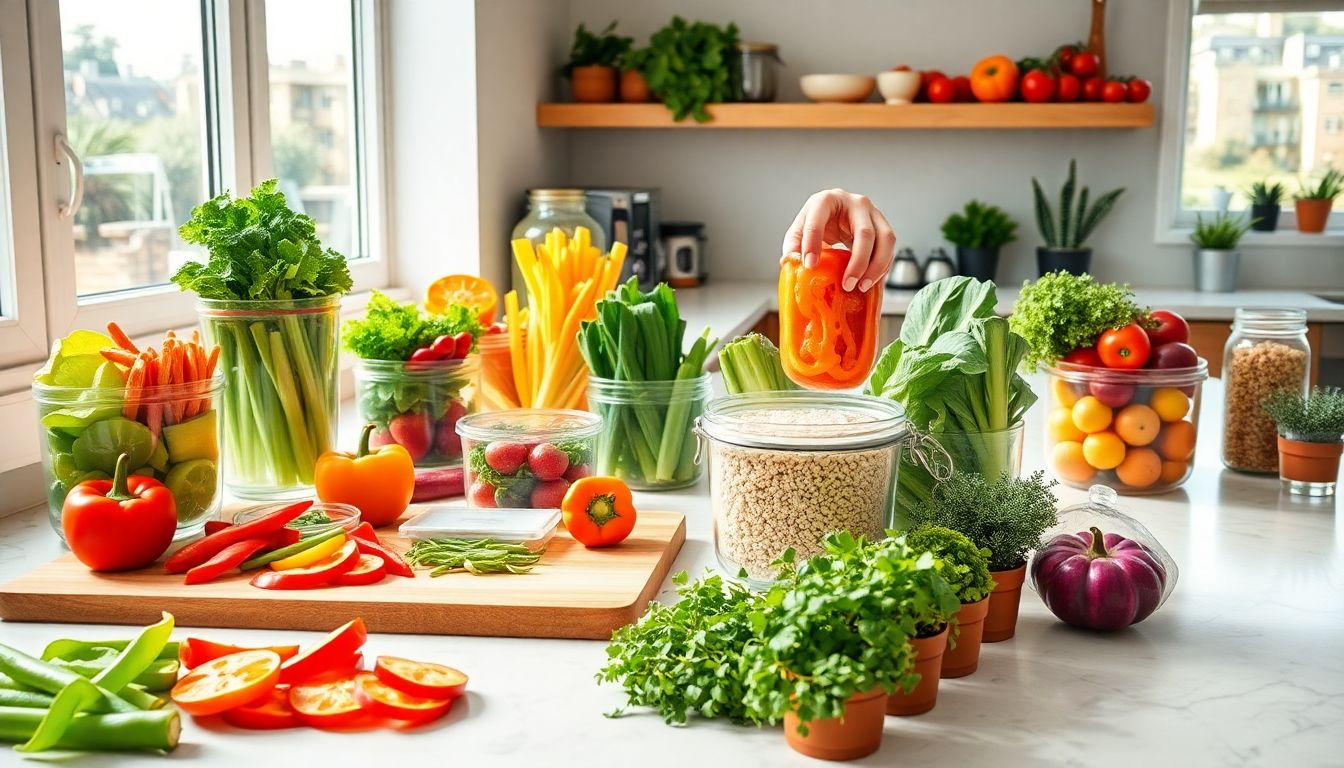
How to Meal Prep Healthy Foods for the Week Ahead: A Step-by-Step Guide


Healthy Meal Prep

How to Meal Prep Healthy Foods for the Week Ahead: A Step-by-Step Guide

Introduction

Meal prepping has become a popular way to stay healthy and save time. By planning your meals ahead, you make better food choices, reduce stress, and cut costs. With busy schedules, many people find meal prep a game-changer for maintaining a well-balanced diet.

Did you know that studies show meal preppers often stick to their health goals longer? Planning your meals means controlling portions, avoiding temptations, and ensuring you're fueling your body properly. Ready to enjoy nutritious meals all week? Let’s explore how to master the art of meal prepping.

Why Meal Prep Is Essential for a Healthy Lifestyle

Benefits of Meal Prepping

Meal prepping saves you hours during busy weekdays, letting you skip fast food and impulse snacks. It encourages you to choose wholesome ingredients and control portion sizes, which promotes better eating habits. Plus, prepping your meals ahead of time helps you save money by avoiding high restaurant bills.

Impact on Health and Wellbeing

When you plan and prepare meals in advance, it supports weight loss or maintenance goals. It reduces the reliance on processed foods with hidden sugars and unhealthy fats. Meal prep also builds routines, providing structure that can boost your mental health and reduce daily stress.

Evidence and Expert Opinions

Nutritionists agree that meal planning boosts diet quality. They say it’s a simple step to increase fruit and vegetable intake, balance macros, and stick to your nutrition targets. Data shows those who prep meals tend to eat more balanced diets and consume fewer empty calories daily.

Planning Your Healthy Meal Prep Strategy

Setting Your Goals

Start with clear goals. Do you want to lose weight, build muscle, or just eat healthier? Once you know your targets, set realistic portion sizes and timelines. This way, you won’t get overwhelmed and can stay motivated.

Creating a Weekly Meal Plan

Design a meal plan that includes all food groups. Think protein sources like chicken, beans, or fish, paired with carbs like brown rice or sweet potatoes. Fill your plate with colorful veggies and include healthy fats such as nuts or avocado.

To make planning easier, use templates or digital tools. Record your meals for each day, then shop based on that list to prevent overspending.

Shopping List Essentials

Focus on nutrient-dense ingredients that are versatile. Get plenty of leafy greens, fresh fruits, lean meats, and whole grains. Keep your list organized by categories—proteins, grains, vegetables, and fats—to streamline your shopping trip. Avoid pre-packaged or processed foods to keep your meals clean and healthy.

Preparing Ingredients Effectively

Batch Cooking Techniques

Cook grains in bulk, roast vegetables, or boil eggs ahead of time. These techniques save time and boost flavor. Stir-frying large batches of veggies and proteins also helps you prep efficiently.

Prepping Vegetables and Proteins

Wash and chop your produce once. Marinate meats overnight for extra flavor or pre-cook chicken breasts and tofu. Prepping in advance makes assembling meals quicker and ensures you stick to your plan.

Storage Tips to Maintain Freshness

Use airtight containers for portioning. Glass jars or BPA-free plastic work well. Store salads and cooked foods in the fridge, and freeze items that won’t be eaten soon. Proper storage keeps food fresh and reduces waste.

Assembling and Packaging Your Meals

Portion Control and Meal Container Selection

Invest in leak-proof, microwave-safe containers. Label each with the date and meal contents. Portioning your meals helps prevent overeating and keeps your week organized.

Meal Assembly Tips

Layer ingredients to keep everything fresh—think sturdy veggies on the bottom, proteins in the middle, and sprouts or herbs on top. Mix textures and flavors to prevent boredom, adding nuts or sauces to spice things up.

Tips for Maintaining Nutritional Quality

Avoid overcooking foods, which destroys nutrients. Incorporate a variety of food groups each day to ensure balanced meals. This way, your body gets all the essential vitamins and minerals.

Tips for Staying Consistent and Motivated

Establishing a Routine

Pick a specific day and time to prep meals weekly. Some prefer Sunday afternoons, others Saturday mornings. Keep it simple and stick to your schedule. Mix things up with different recipes to stay interested.

Adapting Your Meal Prep for Different Diets

Whether you're vegetarian, vegan, or need gluten-free options, adapt recipes to fit your needs. Adjust portion sizes or swap ingredients to keep your diet suitable and enjoyable.

Overcoming Common Challenges

Busy schedules can make meal prep hard. Prepare multiple meals at once and keep things simple. Manage food waste by planning your shopping carefully and using leftovers creatively. Track progress and reward yourself to stay motivated.

Conclusion

Meal prepping for a healthy week is easier than you think. Start by defining your goals, planning balanced meals, and organizing your shopping list. Cook smart, store ingredients properly, and assemble colorful, nutritious meals. Stay consistent, be flexible, and celebrate small wins along the way.

Making meal prep a habit can transform your health journey. It’s a small step that leads to big changes. So, plan today, prep tomorrow, and enjoy the benefits of a healthier, happier you.

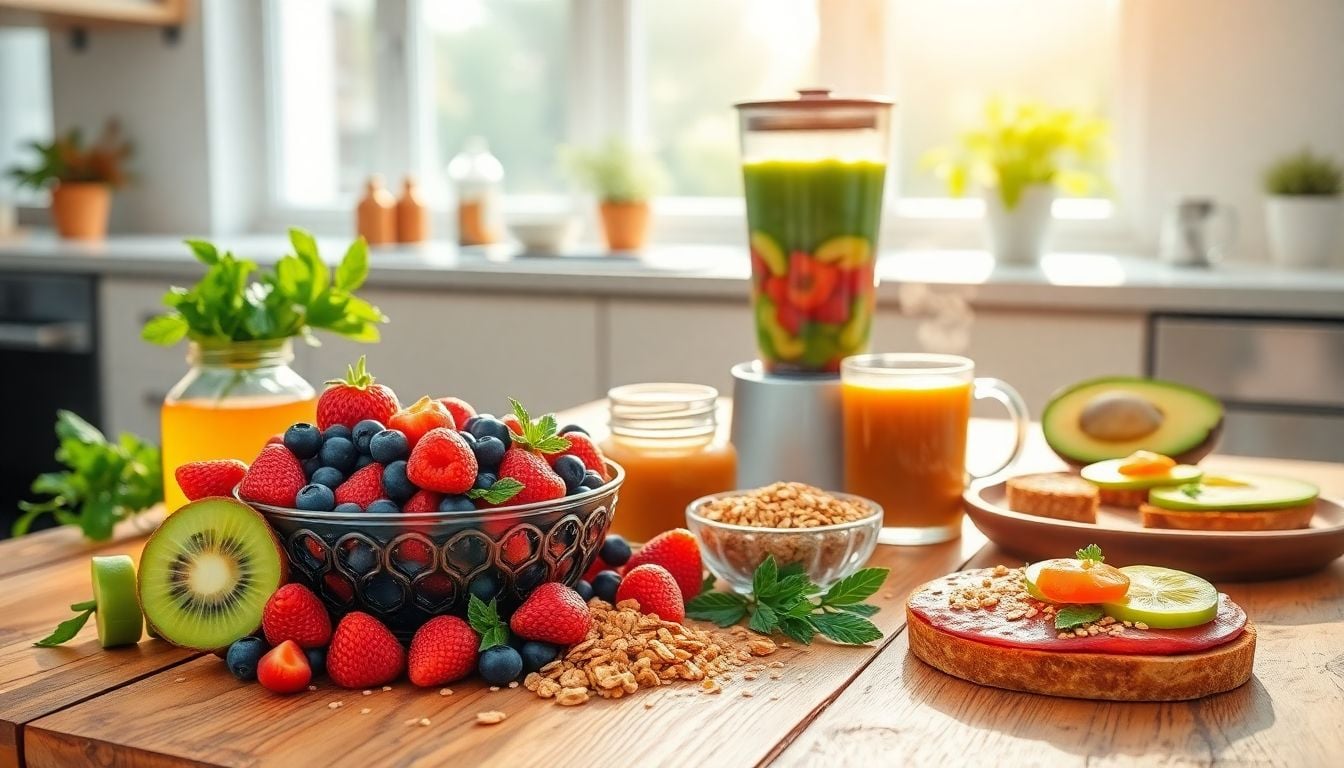
How to Add Superfoods to Your Breakfast for More Energy


Superfoods Breakfast

How to Add Superfoods to Your Breakfast for More Energy

Introduction

Starting your day with a healthy breakfast can set the tone for lasting energy. A breakfast packed with nutrients keeps your focus sharp and stamina high all morning. Recently, superfoods have become popular because they are a natural way to boost energy and improve health. Incorporating these power-packed foods into your morning routine can make a real difference, helping you stay energized and alert throughout the day.

Why Incorporate Superfoods into Your Breakfast for Better Energy

Superfoods are foods rich in nutrients, antioxidants, and vitamins. They are known for their ability to support energy production and fight fatigue. Eating a balanced breakfast with superfoods helps stabilize blood sugar levels, providing a steady energy flow. Studies suggest that eating a nutritious breakfast can improve productivity and mood. Nutrition experts agree that adding superfoods to your diet enhances overall vitality and boosts your immune system. Small changes like these can turn your morning into a powerhouse of energy.

Top Superfoods to Energize Your Morning Meal

Goji Berries: Tiny Boosters of Vitality

These small, bright-red berries are loaded with antioxidants and vitamin C. They help fight free radicals and strengthen your immune system. Regularly eating goji berries can help reduce tiredness and increase resistance to illnesses. You can quickly toss them on cereal, blend them into smoothies, or mix with yogurt for a tangy crunch.

Chia Seeds: The Powerhouse of Omega-3s and Fiber

Chia seeds are small but mighty. They contain omega-3 fatty acids, fiber, and protein, which keep your energy levels consistent. Making chia pudding is a simple way to enjoy them in the morning. Add them to baked goods, oatmeal, or smoothies for a boost of sustained energy. Thanks to their high fiber content, they also support digestion and keep you full longer.

Quinoa: Complete Plant-Based Protein

Unlike many grains, quinoa offers all nine essential amino acids, making it a complete protein. This means it fuels your body efficiently, helping you fight fatigue. Cooked quinoa works well as a breakfast bowl mixed with fruit and nuts. It promotes longer-lasting energy and keeps hunger at bay till lunch.

Acai Berries: Antioxidant-Rich Superfood

Acai berries pack a punch with antioxidants that combat inflammation and boost vitality. They can help you recover faster after exercise and reduce tiredness. Blend acai into smoothies or pour it over oatmeal for a rich, purple energy bowl. Plus, acai helps support weight management by curbing unhealthy cravings.

Spirulina: Blue-Green Algae for a Natural Energy Boost

A small spoonful of spirulina powder adds a lot of nutrients, including protein, B-vitamins, and iron. It naturally increases energy and enhances stamina. Mix spirulina into your morning juice or smoothie. If you are new to it, start with tiny amounts, as its taste can be strong but is addictive once you get used to it.

Creative Ways to Incorporate Superfoods into Your Breakfast

Smoothies and Smoothie Bowls

Create vibrant smoothies blending berries, goji, chia, and spirulina. Use bananas or spinach to add creaminess and balance flavors. Top your smoothie bowl with nuts, seeds, or fruit for extra energy and texture. Combine different superfoods to make each morning exciting.

Oatmeal and Porridge Enhancements

Add nuts, seeds, and dried berries to your oatmeal for a nutrient boost. Toss in some chia seeds or a handful of quinoa for extra protein. Use cinnamon or honey for flavor, and keep your breakfast colorful and appealing. Quick to prepare, oatmeal makes a perfect platform for superfoods.

Yogurt and Cottage Cheese Boosts

Mix superfood powders like spirulina or acai into yogurt or cottage cheese. Top with fresh berries, nuts, and seeds. This combo supports gut health and keeps you energized. Present it in a jar or bowl for an appealing morning treat.

Homemade Energy Bars and Bites

Combine nuts, oats, dried fruit, and superfoods into homemade bars or bites. These snacks are perfect for busy mornings or on-the-go energy boosts. Keep them in the fridge, and grab a piece when hunger strikes. They are easy, healthy, and customizable.

Practical Tips for Maximizing Energy Benefits

Eat superfoods at the right time—preferably in the morning—when your body needs energy most. Stick to moderate portions to avoid feeling sluggish. Pair superfoods with healthy fats, proteins, and carbs for a balanced breakfast. Drink plenty of water for better nutrient absorption. Staying consistent helps your body adapt and enjoy maximum benefits from these superfoods.

Adding superfoods to your breakfast is a simple way to boost your energy naturally. They are versatile and easy to include in many delicious recipes. Whether it’s a smoothie, oatmeal, or homemade energy bar, you can find a way that fits your taste. Start small—try one new superfood today—and watch how your energy levels improve. Making these small changes can lead to a healthier, more energized you every morning.

Are Low-Carb Diets Safe for Your Gut Health


Image

Are Low-Carb Diets Safe for Your Gut Health? A Comprehensive Review

Low-carb diets have become super popular for quick weight loss and better health. Many people swear by keto, Atkins, or Paleo plans. But while these diets might help shed pounds, many wonder: what about your gut? Your gut microbiome—the tiny bacteria inside your belly—plays a huge role in your overall health. So, can cutting carbs harm your gut bacteria? That’s what we’re here to explore.

What Are Low-Carb Diets? An Overview

Definition and Types of Low-Carb Diets

Low-carb diets focus on reducing carbohydrate intake while increasing fat and protein. Some of the most common include:

  • Ketogenic diet: Very low carbs, high fat, moderate protein.
  • Atkins diet: Starts very low, then gradually adds carbs.
  • Paleo diet: Limits processed foods, focuses on meats, veggies, fruits, and nuts.

Typically, these diets cut carbs to less than 50 grams daily. That’s about the carbs in a small piece of bread or a banana.

Popularity and Adoption

Millions worldwide have jumped on low-carb plans. Shift towards these diets is driven by studies linking them to weight loss and better blood sugar control. Surveys show increasing numbers of people prefer low-carb options to manage diabetes, or just to get leaner.

Benefits of Low-Carb Diets

Research shows low-carb diets can improve blood sugar levels and help with weight loss. Multiple studies support these benefits, especially for type 2 diabetes management. Many experts also believe low-carb diets can boost energy and reduce cravings.

How Gut Health Is Affected by Diet

Role of Gut Microbiota

Your gut contains trillions of bacteria, forming what we call the microbiome. These tiny organisms help digest food, fight infections, and even influence your mood. The diversity of your microbiome is a sign of good health.

Factors Influencing Gut Health

What you eat, how much fiber you get, and fermented foods can keep your gut happy. But stress, medications like antibiotics, and lifestyle choices also shape gut health. A balanced diet is key to maintaining a healthy microbiome.

Impact of Low-Carb Diets on Gut Microbiome

Changes in Microbiota Composition

When you cut carbs, especially fiber-rich ones, beneficial bacteria like Bifidobacteria may decline. This can lead to less diversity in your gut bacteria. Some less helpful bacteria might overgrow, which could cause problems.

Fiber Intake and Gut Fermentation

Dietary fiber feeds good gut bacteria. Without enough fiber, these bacteria can’t produce the healthy compounds called short-chain fatty acids. This process is vital for gut lining health and immune function.

Real-World Examples and Research Studies

Some studies show low-carb eaters experience shifts in gut bacteria similar to those seen in other low-fiber diets. While some report gut discomfort and constipation, others find their microbiome adapts well. The results vary based on diet quality and individual biology.

Potential Gut Health Concerns of Low-Carb Diets

Reduced Dietary Fiber and Constipation

Low-carb diets often lack enough fiber, leading to constipation. Think of fiber as the broom sweeping your intestines. Without it, waste moves slower, and bowel movements become irregular. To stay regular, add low-carb, high-fiber foods like leafy greens and seeds.

Imbalance of Gut Microbiota

Changing your diet drastically can favor harmful bacteria over helpful ones. This imbalance may weaken your immune system and increase inflammation. Long-term, these issues could lead to health problems beyond digestion.

Risk of Nutritional Deficiencies

Restricting foods like certain fruits, grains, or legumes might cause deficiencies in vitamins and minerals. It’s essential to plan meals carefully or consider supplements to fill gaps.

Expert Opinions and Scientific Perspectives

Many doctors and diet experts agree moderate low-carb eating can be safe if done right. They recommend including enough fiber and fermented foods. Still, research is ongoing, and we need more long-term studies to fully understand effects on gut health. Most experts advise personalized plans and regular check-ups.

Practical Tips for Maintaining Gut Health on a Low-Carb Diet

  • Include plenty of non-starchy vegetables (spinach, broccoli) for fiber.
  • Eat fermented foods like sauerkraut, yogurt, or kefir to support good bacteria.
  • Keep an eye on bowel habits; add more fiber if needed.
  • Consult a healthcare professional before shifting your diet.
  • Consider probiotic or prebiotic supplements if recommended by your doctor.

 Is a Low-Carb Diet Safe for Gut Health?

Low-carb diets can both help and hurt your gut, depending on how you follow them. They can aid weight loss and blood sugar but might reduce beneficial bacteria if fiber isn’t prioritized. The key is balance—choose nutrient-dense, fiber-rich foods and include fermented options. Personalization is vital. Listen to your body, and don’t hesitate to seek professional advice. With proper planning, you can enjoy the benefits of a low-carb lifestyle without sacrificing your gut health.

Key Takeaways

  • Cutting carbs affects your gut bacteria, either positively or negatively.
  • Including fiber-rich vegetables and fermented foods supports gut health.
  • Long-term effects are still being studied, so personalized plans matter.
  • Focus on a well-rounded diet to stay healthy inside and out.

Take action today! Focus on balanced, nutrient-rich foods, and make gut health a priority even on a low-carb journey.