


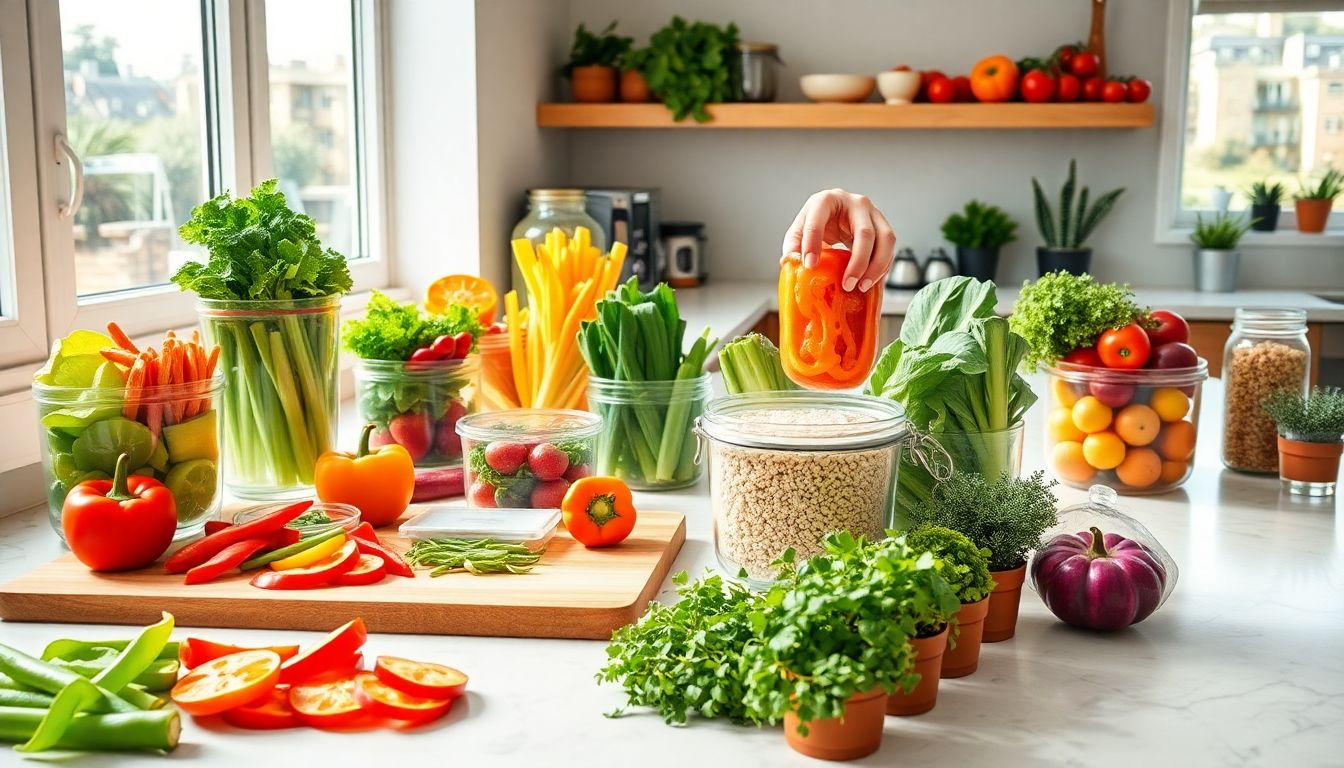
How to Meal Prep Healthy Foods for the Week Ahead: A Step-by-Step Guide
Introduction
Meal prepping has become a popular way to stay healthy and save time. By planning your meals ahead, you make better food choices, reduce stress, and cut costs. With busy schedules, many people find meal prep a game-changer for maintaining a well-balanced diet.
Did you know that studies show meal preppers often stick to their health goals longer? Planning your meals means controlling portions, avoiding temptations, and ensuring you're fueling your body properly. Ready to enjoy nutritious meals all week? Let’s explore how to master the art of meal prepping.
Why Meal Prep Is Essential for a Healthy Lifestyle
Benefits of Meal Prepping
Meal prepping saves you hours during busy weekdays, letting you skip fast food and impulse snacks. It encourages you to choose wholesome ingredients and control portion sizes, which promotes better eating habits. Plus, prepping your meals ahead of time helps you save money by avoiding high restaurant bills.
Impact on Health and Wellbeing
When you plan and prepare meals in advance, it supports weight loss or maintenance goals. It reduces the reliance on processed foods with hidden sugars and unhealthy fats. Meal prep also builds routines, providing structure that can boost your mental health and reduce daily stress.
Evidence and Expert Opinions
Nutritionists agree that meal planning boosts diet quality. They say it’s a simple step to increase fruit and vegetable intake, balance macros, and stick to your nutrition targets. Data shows those who prep meals tend to eat more balanced diets and consume fewer empty calories daily.
Planning Your Healthy Meal Prep Strategy
Setting Your Goals
Start with clear goals. Do you want to lose weight, build muscle, or just eat healthier? Once you know your targets, set realistic portion sizes and timelines. This way, you won’t get overwhelmed and can stay motivated.
Creating a Weekly Meal Plan
Design a meal plan that includes all food groups. Think protein sources like chicken, beans, or fish, paired with carbs like brown rice or sweet potatoes. Fill your plate with colorful veggies and include healthy fats such as nuts or avocado.
To make planning easier, use templates or digital tools. Record your meals for each day, then shop based on that list to prevent overspending.
Shopping List Essentials
Focus on nutrient-dense ingredients that are versatile. Get plenty of leafy greens, fresh fruits, lean meats, and whole grains. Keep your list organized by categories—proteins, grains, vegetables, and fats—to streamline your shopping trip. Avoid pre-packaged or processed foods to keep your meals clean and healthy.
Preparing Ingredients Effectively
Batch Cooking Techniques
Cook grains in bulk, roast vegetables, or boil eggs ahead of time. These techniques save time and boost flavor. Stir-frying large batches of veggies and proteins also helps you prep efficiently.
Prepping Vegetables and Proteins
Wash and chop your produce once. Marinate meats overnight for extra flavor or pre-cook chicken breasts and tofu. Prepping in advance makes assembling meals quicker and ensures you stick to your plan.
Storage Tips to Maintain Freshness
Use airtight containers for portioning. Glass jars or BPA-free plastic work well. Store salads and cooked foods in the fridge, and freeze items that won’t be eaten soon. Proper storage keeps food fresh and reduces waste.
Assembling and Packaging Your Meals
Portion Control and Meal Container Selection
Invest in leak-proof, microwave-safe containers. Label each with the date and meal contents. Portioning your meals helps prevent overeating and keeps your week organized.
Meal Assembly Tips
Layer ingredients to keep everything fresh—think sturdy veggies on the bottom, proteins in the middle, and sprouts or herbs on top. Mix textures and flavors to prevent boredom, adding nuts or sauces to spice things up.
Tips for Maintaining Nutritional Quality
Avoid overcooking foods, which destroys nutrients. Incorporate a variety of food groups each day to ensure balanced meals. This way, your body gets all the essential vitamins and minerals.
Tips for Staying Consistent and Motivated
Establishing a Routine
Pick a specific day and time to prep meals weekly. Some prefer Sunday afternoons, others Saturday mornings. Keep it simple and stick to your schedule. Mix things up with different recipes to stay interested.
Adapting Your Meal Prep for Different Diets
Whether you're vegetarian, vegan, or need gluten-free options, adapt recipes to fit your needs. Adjust portion sizes or swap ingredients to keep your diet suitable and enjoyable.
Overcoming Common Challenges
Busy schedules can make meal prep hard. Prepare multiple meals at once and keep things simple. Manage food waste by planning your shopping carefully and using leftovers creatively. Track progress and reward yourself to stay motivated.
Conclusion
Meal prepping for a healthy week is easier than you think. Start by defining your goals, planning balanced meals, and organizing your shopping list. Cook smart, store ingredients properly, and assemble colorful, nutritious meals. Stay consistent, be flexible, and celebrate small wins along the way.
Making meal prep a habit can transform your health journey. It’s a small step that leads to big changes. So, plan today, prep tomorrow, and enjoy the benefits of a healthier, happier you.


.webp)





0 Comments:
Post a Comment