


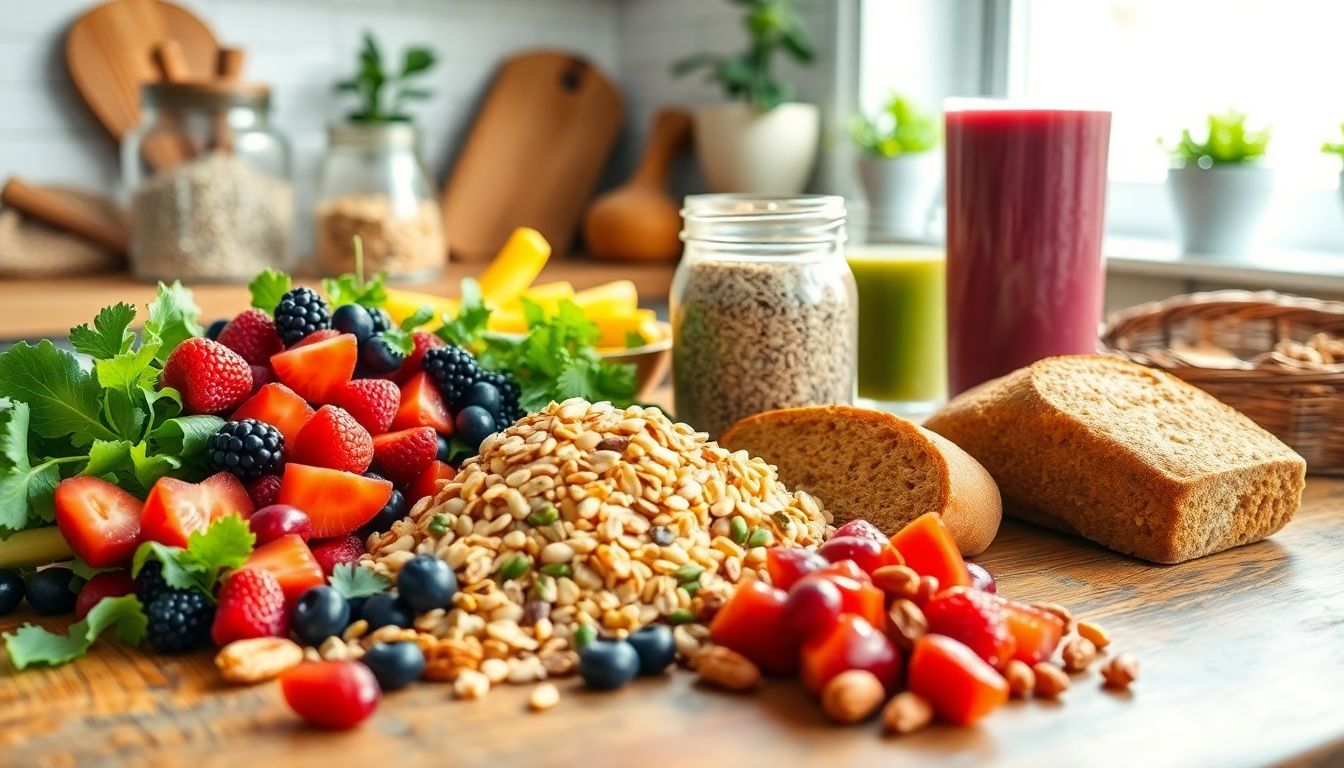
Surprising Ways to Boost Fiber Without Oatmeal [2025 Guide]
Introduction
Getting enough fiber is key to staying healthy. Fiber helps with digestion, manages weight, and keeps your heart happy. Many people think oatmeal is the best way to boost fiber, but that’s not true. There are many other tasty and effective options you can try. The goal here is to show you some unexpected ways to raise your fiber intake in 2025—without oatmeal.
Why Increasing Fiber Matters: Key Benefits and Current Trends
The health benefits of dietary fiber
Fiber is more than just a digestive aid. It helps clean your gut and keeps things moving smoothly. Plus, fiber can lower your risk of heart disease and type 2 diabetes. High-fiber foods also help you feel full longer, which makes weight management easier.
Fiber deficiency statistics and trends
Many people don’t get enough fiber. Data shows that a large number of adults fall short of the recommended daily intake. As awareness grows, more are choosing high-fiber foods beyond oats. In 2025, trends point to diverse diets packed with different fiber sources.
Common misconceptions about fiber sources
Some believe only oats or supplements can do the trick. But a variety of foods can give you plenty of fiber. Eating a mix of these options is best for overall health benefits.
Surprising Food Sources to Boost Fiber Without Oatmeal
Legumes and Pulses
Legumes are fiber powerhouses. Lentils, chickpeas, and black beans pack a punch. For example, just one cup of cooked lentils has about 15 grams of fiber. They’re also rich in protein and vitamins.
How to include them: Add chickpeas to salads, blend lentil soups, or make tasty hummus. These are simple ways to boost fiber naturally.
Fruits with High Fiber Content
Fruits are sweet, juicy, and high in fiber. Apples with skin, pears, berries, and avocados are top choices. Want to try something unique? Passion fruit, figs, and kiwi are excellent sources too.
Best ways to eat: Snack on whole fruits, add berries to yogurt, or include avocado in sandwiches for fiber and flavor.
Vegetables in the Fiber Spotlight
Colorful veggies are packed with fiber and nutrients. Artichokes, broccoli, and sweet potatoes are standout options. Cooking methods like roasting or steaming keep veggies tasty and healthy.
Creative ideas: Mix artichoke hearts in salads, steam broccoli as a side, or bake sweet potatoes as a snack. Eating a rainbow of vegetables keeps your fiber intake diverse.
Whole Grains Beyond Oats
There are many grains rich in fiber besides oats. Quinoa, barley, bulgur, and farro are top choices. They also add new flavors to meals. Quinoa has about 5 grams of fiber per cooked cup.
How to incorporate: Use these grains in salads, soups, or as side dishes. Variety keeps your meals interesting and your fiber levels high.
Nuts, Seeds, and Superfoods
Nuts and seeds are tiny but mighty. Flaxseeds, chia seeds, and sunflower seeds boost fiber quickly. Add them to smoothies, yogurt, or cereal.
Superfoods: Psyllium husk pellets are super high in fiber. Just a spoon in water or a smoothie does the trick.
Fiber-Rich Snacks and Convenience Foods
Snacks matter too. Popcorn, roasted chickpeas, and fiber-enriched cereals are tasty choices. Look for options with high fiber and low sugar.
Tip: Check labels for fiber content when choosing snacks. They’re easy ways to stay fueled and fiber-rich.
Innovative and Unexpected Ways to Increase Fiber Intake
Using Fiber Supplements Creatively
Supplements like psyllium husk powder or inulin can help, but use them wisely. Add a teaspoon to water, smoothies, or baking. Be careful with portions; too much can upset your stomach.
Fermented and Pickled Foods
Fermented foods like sauerkraut and kimchi are more than just tasty. They contain prebiotic fiber that good bacteria love. Include these in your meals for gut health.
Incorporating Fiber into Beverages
Boost fiber in drinks too. Blend berries, bananas, and seeds into smoothies for a fiber-packed treat. Or try whole grain drinks with added fiber powders for a quick boost.
Meal Planning and Preparation Tips
Batch cook with beans, grains, or vegetables to save time. Swap out white rice for quinoa or bulgur to boost fiber effortlessly. Simple meal swaps can add up fast.
Lifestyle Habits to Maintain Consistent Fiber Intake
Track your daily fiber intake to stay on target. Combine different sources—fruit, veggies, grains, nuts—for variety. Consistency is key to feeling the full benefits.
Expert Insights and Evidence-Based Recommendations
Nutritionists recommend diversifying fiber sources. Having different types supports gut health and overall well-being. Recent research shows blending soluble and insoluble fiber offers the best results.
Safety note: Always increase fiber gradually. Drink plenty of water to avoid bloating or discomfort. Start small and build up.
Conclusion
There are many surprising ways to boost fiber without relying on oatmeal. Think beyond typical sources and enjoy a variety of fruits, vegetables, grains, nuts, and even fermented foods. Remember, consistency makes all the difference. In 2025, take the challenge to explore new fiber-rich foods—and see the health benefits unfold. For personalized advice, consult healthcare professionals. It’s time to make fiber diversity your new health habit.


0 Comments:
Post a Comment