


https://savorycribbles9022.blogspot.com/
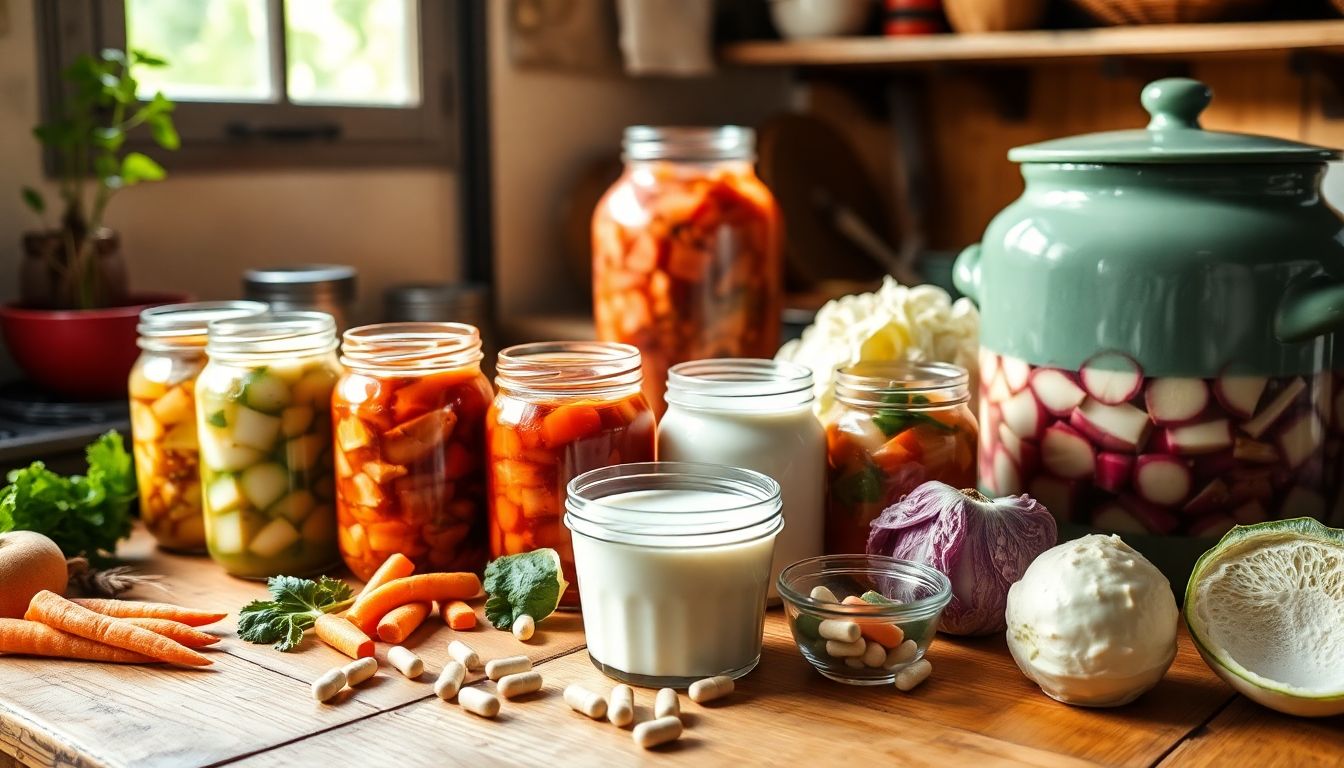
Fermentation and Probiotic Foods: Unlocking the Benefits for Your Gut and Overall Health
Introduction
Fermented foods are popping up everywhere—on store shelves and in home kitchens. People are discovering how these age-old foods can boost health and restore balance in our bodies. Gut health plays a huge role in overall wellness, affecting everything from digestion to mood. Adding fermented and probiotic foods to your diet can make a real difference. They support digestion, strengthen immune defenses, and even influence mental health. Ready to explore how fermentation can transform your health?
Understanding Fermentation: The Basics of a Natural Preservation Process
What Is Fermentation?
Fermentation is a natural process where microorganisms break down sugars into acids, gases, or alcohol. This process has been part of human food traditions for thousands of years. Ancient cultures fermented foods to preserve them and create delicious flavors—think of sourdough bread or cheese.
The Science Behind Fermentation
Tiny microbes like bacteria, yeasts, and molds do the work of fermentation. They consume sugars and produce beneficial acids or alcohol, which help preserve foods and boost their nutritional value. Fermentation also enhances flavor, giving foods a tangy or complex taste. Plus, it improves food safety by lowering harmful bacteria.
Types of Fermentation Techniques
- Lacto-fermentation: Uses lactic acid bacteria to ferment vegetables like sauerkraut and kimchi.
- Alcoholic fermentation: Converts sugars into alcohol, creating drinks like beer and wine.
- Acetic acid fermentation: Turns alcohol into vinegar, such as apple cider vinegar or rice vinegar.
Each method creates unique foods with distinct tastes and health benefits.
The Power of Probiotics: How These Beneficial Microorganisms Support Your Health
What Are Probiotics?
Probiotics are live bacteria that offer health perks when consumed in right amounts. These friendly microbes naturally live in or are added to fermented foods. They help balance our internal microbiome—the ecosystem of bacteria in our gut. Know the difference between probiotics, prebiotics (fiber that feeds good bacteria), and synbiotics (a mix of both).
Health Benefits of Probiotics
Probiotics do more than just improve digestion. They help your body absorb nutrients better, making you feel more energized. They also boost your immune system, making it easier to fight off illnesses. Some research suggests they can even support mental health by improving gut-brain connections. Additionally, probiotics may reduce inflammation, helping with conditions like allergies or irritable bowel syndrome.
Scientific Evidence and Expert Opinions
Several studies show that eating probiotic-rich foods increases the diversity of good bacteria in your gut. This diversity is linked to better health overall. Experts agree that incorporating probiotics regularly can help maintain a healthy microbiome. Many health organizations recommend probiotics as part of a balanced diet to support digestion and immunity.
Popular Fermented and Probiotic Foods You Should Know
Fermented Vegetables and Dairy
- Sauerkraut: Fermented cabbage packed with probiotics.
- Kimchi: Spicy Korean fermented veggies with strong health benefits.
- Yogurt, kefir, buttermilk: Dairy products loaded with live cultures for gut health.
Fermented Beverages
- Kombucha: Slightly fizzy tea drink full of probiotics.
- Water kefir: A lightly sweet, fermented drink with a tangy flavor.
Fermented Grains and Legumes
- Tempeh: Fermented soy packed with protein.
- Natto: Fermented soybeans famous in Japan, rich in probiotics.
Other Fermented Items
- Miso: Fermented soybean paste used in soups.
- Fermented condiments and sauces: Includes fermented chili hot sauces or fish sauces.
Many cultures have their own fermented foods, each adding flavor and health benefits.
Incorporating Fermented Foods into Your Diet: Practical Tips for Beginners
Starting Slow and Simple
Introduce small amounts at first—perhaps a spoonful of sauerkraut or a sip of kefir daily. Increase gradually as your body gets used to the new foods. Choosing high-quality, traditional fermented products ensures you're getting the best probiotics.
DIY Fermentation at Home
With just a few basic supplies—like jars, salt, and patience—you can make your own fermented foods. Start with straightforward recipes, such as homemade yogurt, sauerkraut, or kefir. These are simple and rewarding projects that can become daily habits.
Store-Bought Options and How to Choose Quality Products
Read labels carefully—look for products with live and active cultures. Avoid overly processed options with added sugars or artificial ingredients. Organic and traditionally fermented foods usually deliver higher probiotic counts.
Potential Challenges and How to Overcome Them
Fermentation can sometimes fail due to improper storage or contamination. If your foods develop mold or strange odors, discard and start over. Some people may experience bloating or headaches from histamines; start slowly and listen to your body.
The Future of Fermentation and Probiotics: Trends and Innovations
Emerging research points toward personalized probiotics tailored to individual microbiomes. Market innovations include probiotic drinks, snacks, and supplements designed for specific health goals. Fermentation is also gaining popularity outside the kitchen—helping reduce food waste and create sustainable food options. Future products may soon be customized to optimize your gut health even more.
Conclusion
Fermentation isn’t just an ancient art—it’s a powerful tool for improving health and enjoying delicious foods. Probiotic-rich foods help maintain a strong and diverse gut microbiome, which influences digestion, immunity, and even mood. Incorporating a variety of fermented foods into your diet is easier than you think. Start small, experiment at home, or pick up quality products from stores. Making fermentation part of your life can bring lasting benefits and connect you to countless cultures’ culinary traditions. Why not begin your fermentation journey today?
Key Takeaways
- Fermentation is a natural way to produce flavorful, healthy foods.
- Probiotics are vital for keeping your gut microbiome balanced.
- Eating fermented foods supports digestion, immunity, and well-being.
- Easy tips and resources make starting simple, whether at home or shopping for ready-made options.
Discover the power of fermentation, and watch your health thrive with every delicious bite.


0 Comments:
Post a Comment