


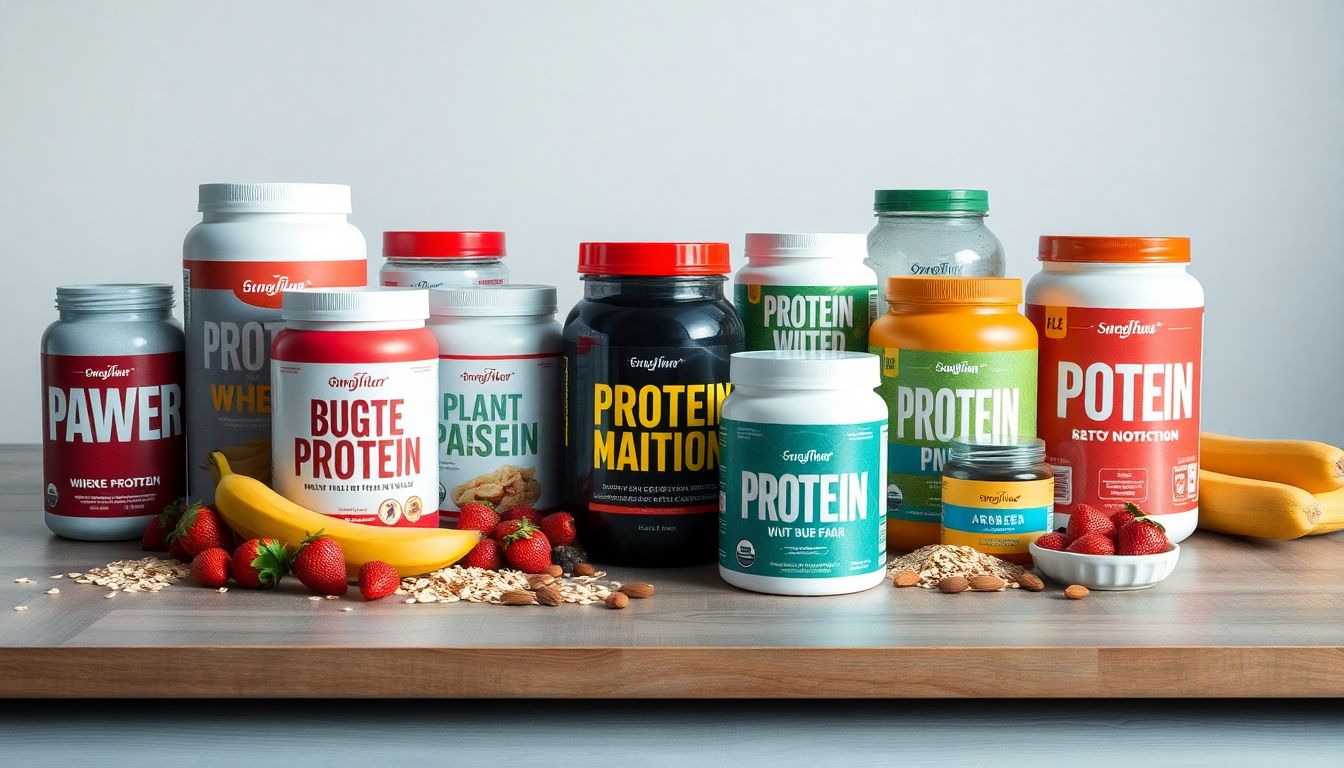
Comparing Popular Protein Supplements for Better Choices
Introduction
Protein supplements have become a staple for anyone looking to boost muscle, stay healthy, or manage weight. From gym enthusiasts to busy parents, more people are turning to these powders to meet their dietary needs. With so many options on the market, choosing the right protein can feel overwhelming. Seeing what different brands offer can help you pick the best fit for your goals. Here’s a detailed comparison of popular protein supplements to help you make smarter choices.
The Fundamentals of Protein Supplements
Understanding Protein Types
There are several main types of protein powders. Each has unique features that suit different needs:
- Whey: Digests fast and is full of essential amino acids. Great after a workout.
- Casein: Breaks down slowly, perfect before bed or between meals.
- Plant-based: Made from pea, rice, or soy, ideal for vegans or those with dairy allergies.
- Egg: Offers a complete amino acid profile, with slow digestion.
- Hydrolyzed proteins: Pre-digested, absorbed quickly, good for sensitive stomachs.
Knowing the differences helps you pick based on your scheduling and dietary preferences.
Why Protein Quality Matters
Not all proteins are equal. Quality depends on amino acid profile, digestibility, and how well your body absorbs it. Higher-quality proteins, like whey or egg, support faster muscle recovery. They also improve overall health by providing essential amino acids your body can't produce. Choosing a good quality protein means better results and fewer unwanted ingredients.
Common Uses of Protein Supplements
People primarily use protein powders to:
- Build or repair muscles after workouts
- Help manage weight by boosting feeling full
- Fill in nutritional gaps, especially for vegetarians and vegans
Knowing your main goal can guide you toward the right supplement. For example, if you want quick recovery, whey isolate might be best. Or, if you’re vegetarian, plant-based options can fill your needs.
Comparing Popular Protein Supplement Brands
Whey Protein Isolates
Top brands include: Optimum Nutrition, Dymatize, and MuscleTech. They are known for high protein content and purity. These powders mix well and taste good, making them favorites for many athletes.
- Optimum Nutrition Gold Standard: Offers around 24 grams of protein per scoop with minimal carbs. Customers love its smooth taste, though it can be pricey.
- Dymatize ISO100: Very pure, with 25 grams of protein, fast absorption. Popular among bodybuilders.
- MuscleTech NitroTech: Contains added creatine for muscle growth, great for intensive training.
Pros: High-quality, proven brands, easy to digest
Cons: Slightly higher cost, some people may find artificial flavors
Plant-Based Protein Powders
Leading brands include Vega, Garden of Life, and Orgain. These give options for vegans and those with dairy allergies.
- Vega Sport: Made from pea, pumpkin seed, and sunflower seed, with about 30 grams of protein per serving.
- Garden of Life Raw Organic: Combines multiple plant proteins, plus vitamins.
- Orgain Organic Plant-Based: Affordable, with good taste and variety.
Pros: Free from dairy, soy, gluten, rich in fiber
Cons: May have a grainier texture or milder flavor
Casein Protein Supplements
Popular choices are Optimum Nutrition Gold Standard Casein and Dymatize Elite Casein. Their slow digestion makes them perfect for nighttime.
- Optimum Nutrition Casein: Provides sustained release of amino acids overnight, helping muscle recovery.
- Dymatize Casein: Affordable and smooth, great for a late-night snack.
Pros: Ideal for prolonged protein supply
Cons: Slightly thicker texture, may not mix as easily
Hydrolyzed and Specialty Proteins
Brands like NOW Sports and NutraKey focus on hydrolyzed whey and amino acid mixes. They are good if you need quick absorption or have digestion issues.
- NOW Sports: Offers hydrolyzed whey that’s easier on sensitive stomachs.
- NutraKey: Specializes in amino acids for blood flow and recovery.
Who should consider these? People with digestive issues or those wanting rapid amino acid delivery.
Key Factors to Consider When Choosing a Protein Supplement
Nutritional Content and Macros
Compare the amount of protein per serving. Also, look at calories, carbs, and fats. A typical scoop ranges from 20-30 grams of protein.
Ingredient Transparency and Additives
Choose powders with clean labels. Avoid artificial sweeteners, fillers, or preservatives that add no nutritional value.
Dietary Restrictions and Allergens
If you have allergies or sensitivities, select gluten-free, soy-free, or dairy-free proteins. Cross-contamination can be a concern, so check labels carefully.
Price and Value
Evaluate cost per serving. Buying in bulk often reduces expense. Ensure you’re getting good value for your money.
Personal Goals and Preferences
Want quick muscle gain? Whey might be best. Need a vegan option? Plant-based powders are ideal. Taste is also a factor—try samples or smaller sizes first.
Expert Insights and Scientific Backing
Research shows that high-quality protein supports muscle growth and recovery. Amino acid profiles and digestibility affect how well your body uses protein. Nutritionists agree that combining protein sources can give a more complete amino acid profile. Many users report better results with consistent use of one or a mix of top brands.
Actionable Tips for Making Better Protein Supplement Choices
- Always read the label. Watch for added sugars and artificial ingredients.
- Match the type of protein with your daily routine—whey for post-workout, casein before sleep.
- Try sample packs before investing in larger containers.
- Consult a healthcare professional to personalize your supplement plan.
- Mix different types for variety and to maximize nutrients.
Conclusion
Choosing the right protein supplement depends on your goals, dietary needs, and taste preferences. Knowing the differences between whey, casein, plant-based, and specialty proteins equips you to make smarter decisions. Remember, supplements should complement a balanced diet full of whole foods. Do your research, test different options, and find what works best for you. Your fitness journey starts with the right fuel—make it count.


0 Comments:
Post a Comment