


The Simple Mediterranean Diet Plan for Better Health
Busy schedule, low energy, and too many takeout boxes? You are not alone. Eating well can feel hard when time is tight. The Mediterranean diet gives you a simple, tasty path to better heart health, steady energy, and healthy weight without strict rules or math.
Born in coastal regions like Greece and Italy, this style of eating focuses on real food. Think crisp veggies, juicy tomatoes, olive oil instead of butter, and fish a couple times a week. Studies link it to lower risk of chronic diseases, better aging, and a happier gut.
This guide breaks it down into easy steps. You will get the basics, a beginner 7‑day meal plan, quick breakfast and snack ideas, simple lunches and dinners, plus tips to stick with it for the long haul. Let’s make healthy eating feel like a pleasant routine, not a chore.
https://www.youtube.com/watch?v=SMsy_XuofMo
Unlock the Basics of the Mediterranean Diet for Everyday Wellness
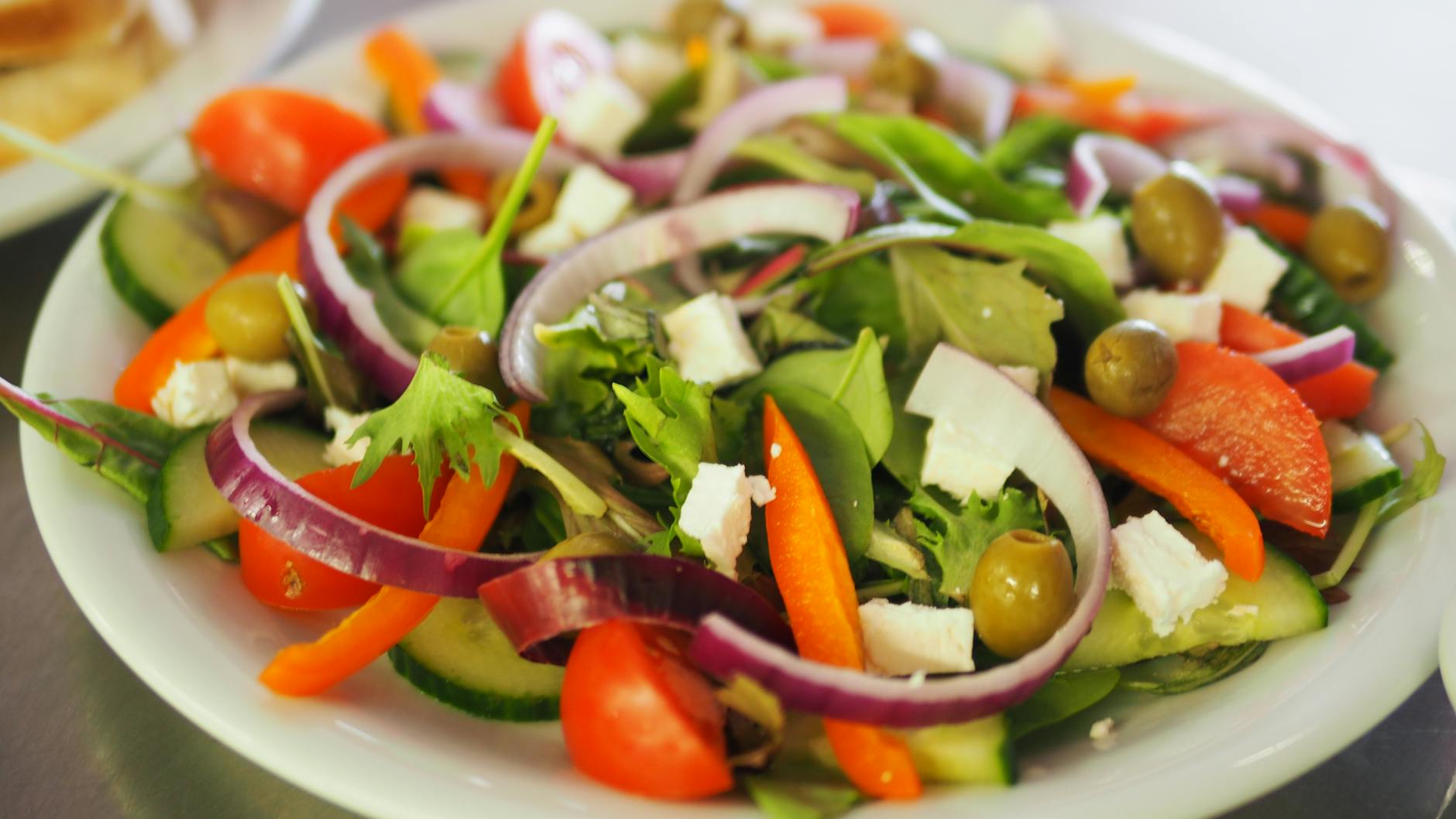 Photo by Chan Walrus
The Mediterranean diet centers on whole, flavorful foods. It favors plants, healthy fats, and simple cooking, which makes weekday meals less stressful and more satisfying. You do not need to count every calorie. You just build plates that feel balanced and leave you full, not stuffed.
Researchers noticed people in Mediterranean regions live longer and stay healthier into old age. Large studies, including the PREDIMED trial, found this style of eating supports heart health and reduces risk of major events. The big takeaway is clear. Whole foods and olive oil do a lot of heavy lifting.
Use this easy approach to portion sizes:
- Half your plate vegetables and fruit
- One quarter whole grains or starchy veggies
- One quarter lean protein (fish, legumes, or poultry)
- Add healthy fats like extra‑virgin olive oil or a small handful of nuts
Build your meals from these food groups:
- Vegetables and fruits: Aim for color and variety, at least 5 servings a day.
- Whole grains: Oats, quinoa, brown rice, barley, farro, whole‑grain bread.
- Legumes: Chickpeas, lentils, beans for protein and fiber.
- Fish and seafood: 2 to 3 times a week for omega‑3s.
- Nuts and seeds: Almonds, walnuts, pistachios, chia, sesame.
- Olive oil: Use extra‑virgin olive oil as your main fat.
- Fermented dairy: Yogurt and a little cheese, in moderation.
- Herbs and spices: Basil, oregano, cumin, paprika, garlic, lemon, and vinegar for big flavor without extra salt.
Practical flavor tips:
- Cook with onion, garlic, and herbs to build depth.
- Brighten meals with lemon juice, a splash of red wine vinegar, or fresh mint.
- Toast nuts and seeds for a richer taste.
Essential Foods to Eat More Of
- Colorful vegetables and fruits: Packed with vitamins and antioxidants. Fill your cart with tomatoes, peppers, greens, berries, and citrus.
- Whole grains: Quinoa, barley, farro, and whole‑grain pasta bring fiber for fullness and steady energy.
- Fatty fish: Salmon, sardines, trout, and mackerel provide omega‑3s that support heart and brain health.
- Legumes: Chickpeas, lentils, black beans offer plant protein and fiber that helps blood sugar stay steady.
- Nuts and seeds: Walnuts, almonds, pistachios, pumpkin seeds add crunch, healthy fats, and minerals.
- Extra‑virgin olive oil: A staple fat that supports healthy cholesterol levels.
- Fermented dairy: Greek yogurt or kefir for protein and gut‑friendly cultures.
Simple swaps:
- Use Greek yogurt instead of sour cream.
- Choose whole‑grain bread instead of white bread.
- Spread hummus instead of mayo on sandwiches.
- Roast with olive oil instead of butter.
Foods to Limit for Maximum Benefits
- Red and processed meats: High in saturated fat and sodium. Save bacon, sausage, and deli meats for rare occasions.
- Sugary drinks and desserts: Soda and candy cause blood sugar spikes and weight gain. Pick fruit, dark chocolate, or yogurt with honey.
- Refined grains: White bread, pastries, many crackers lack fiber and nutrients. Swap in whole‑grain versions.
- Excess dairy and salt: Too much cheese or salt can raise blood pressure. Season with herbs, citrus, and a light hand with salt.
- Ultra‑processed foods: Packaged snacks and fast food often bring extra sugar, sodium, and additives.
Easy alternatives:
- Try sparkling water with lemon or herbal tea instead of soda.
- Pick homemade popcorn with olive oil instead of chips.
- Choose grilled or baked proteins instead of fried.
Your Simple 7-Day Mediterranean Meal Plan to Get Started
This plan averages about 1,500 to 1,800 calories per day for many adults. Adjust portions to match your needs. Drink water or herbal tea with meals. Use a drizzle of olive oil at lunch and dinner, about 1 to 2 tablespoons daily total. Batch cook grains and roast a tray of veggies on day one to save time.
| Day | Breakfast | Lunch | Dinner | Snack |
|---|---|---|---|---|
| Mon | Greek yogurt, berries, walnuts, cinnamon | Chickpea, cucumber, tomato, feta salad with olive oil | Baked salmon, quinoa, steamed broccoli with lemon | Apple slices with almonds |
| Tue | Oatmeal with banana, chia, and honey | Whole‑grain wrap with hummus, grilled veggies, and arugula | Turkey meatballs, marinara, whole‑grain pasta, side salad | Carrots with tzatziki |
| Wed | Whole‑grain toast, avocado, tomato, olive oil | Lentil soup, olive oil drizzle, whole‑grain bread | Shrimp sautéed with garlic, spinach, cherry tomatoes, brown rice | Pear and a few pistachios |
| Thu | Smoothie with kefir, spinach, frozen berries, flax | Quinoa bowl with roasted sweet potato, chickpeas, tahini lemon | Herb‑roasted chicken, farro, green beans | Greek yogurt with a few grapes |
| Fri | Cottage cheese with pineapple and pumpkin seeds | Tuna, white bean, and parsley salad, olive oil vinaigrette | Veggie stir‑fry in olive oil, tofu, soba or brown rice | Orange and dark chocolate square |
| Sat | Scrambled eggs with spinach and peppers, whole‑grain toast | Caprese‑style salad with tomatoes, basil, mozzarella, balsamic | Grilled sardines or salmon, roasted carrots, barley | Hummus with cucumber |
| Sun | Overnight oats with almonds and blueberries | Leftover grain bowl with extra veggies and olive oil | Chickpea and veggie stew, side of whole‑grain pita | Fresh strawberries |
Portion guide:
- Protein: palm‑size per meal
- Grains: cupped hand per meal
- Fats: 1 to 2 tablespoons olive oil daily, small handful of nuts
- Veggies: at least 2 cups at lunch and dinner
Prep tips:
- Cook a pot of quinoa or barley on Sunday.
- Roast mixed vegetables for quick add‑ins.
- Keep canned beans, tuna, and tomatoes on hand.
Breakfast and Snack Ideas to Fuel Your Day
Breakfasts:
- Greek yogurt with berries, walnuts, and cinnamon, about 350 calories.
- Whole‑grain toast with avocado, tomato, and a drizzle of olive oil, about 320 calories.
- Oatmeal with banana, chia seeds, and a touch of honey, about 380 calories.
- Scrambled eggs with spinach and peppers, plus a slice of whole‑grain toast, about 400 calories.
- Kefir smoothie with frozen berries, flaxseed, and a spoon of peanut butter, about 420 calories.
- Cottage cheese with pineapple and pumpkin seeds, about 300 calories.
- Overnight oats with almonds and blueberries, about 360 calories.
Snacks:
- Apple slices with 10 to 12 almonds.
- Carrots or cucumber with hummus.
- Pear with a few pistachios.
- Greek yogurt with a few grapes.
- Orange with a square of dark chocolate.
- Fresh strawberries or a small bunch of cherries.
- Homemade popcorn with olive oil and a pinch of salt.
These pair protein, fiber, and healthy fats for steady energy and fewer cravings.
Lunch and Dinner Recipes for Flavorful Meals
Lunch ideas:
- Chickpea salad with feta and olives: Toss chickpeas, cherry tomatoes, cucumber, red onion, parsley, olive oil, and lemon. Add a few olives and a sprinkle of feta.
- Grilled fish with quinoa and greens: Season fish with garlic, paprika, and lemon, then pan‑sear or grill. Serve over quinoa with arugula.
- Lentil soup: Sauté onion, carrot, celery in olive oil. Add garlic, cumin, canned tomatoes, and cooked lentils. Simmer with water until cozy.
Dinner ideas:
- Veggie stir‑fry: Sauté zucchini, peppers, and onions in olive oil, add tofu or shrimp, finish with lemon and herbs. Serve with brown rice.
- Baked chicken with roasted veggies: Toss chicken thighs or breasts with oregano and olive oil. Roast with carrots and onions. Side of farro.
- Chickpea and veggie stew: Combine onion, garlic, tomatoes, chickpeas, spinach, and olive oil. Simmer with paprika and bay leaf. Serve with whole‑grain pita.
Balance each plate:
- Half veggies, quarter grains, quarter protein, plus a little healthy fat.
Quick cooking tips:
- Use lemon zest to brighten flavors.
- Toast spices in the pan for 30 seconds to wake them up.
- Scale recipes to serve 1 or 2 so you reduce waste.
Reap the Health Rewards and Stick with the Plan Long-Term
The Mediterranean diet shines because it is enjoyable and flexible. Meals feel satisfying, which helps with weight control without strict tracking. Healthy fats like olive oil and nuts support your heart. Plenty of produce and legumes bring fiber that feeds your gut and reduces inflammation.
People who follow this pattern often see better cholesterol numbers, improved blood pressure, and a lower risk of type 2 diabetes. Antioxidant‑rich foods support brain function and joint comfort. This is a long game, not a sprint.
Make it stick:
- Start small by swapping one meal a day to Mediterranean style.
- Involve family to keep it fun and supportive.
- Track wins in a simple journal, like energy, mood, and grocery spend.
- When eating out, pick grilled or baked options with veggies and a side salad.
- Save money by buying in‑season produce and frozen fish or veggies.
Proven Benefits Backed by Science
- Cardiovascular protection: Olive oil, nuts, and fish help lower LDL cholesterol. Picture olive oil as a light shield that guards your arteries.
- Weight management: High‑fiber meals keep you full longer, which makes overeating less likely.
- Longevity: Diets rich in plants link to longer life and fewer chronic diseases.
- Metabolic health: Better blood sugar control reduces diabetes risk.
- Mental health: A nutrient‑dense pattern with omega‑3s relates to fewer depressive symptoms.
Large studies report that people who eat a Mediterranean pattern can cut heart disease events by about 30 percent compared to low‑fat diets. The mix of healthy fats, fiber, and antioxidants works together like a well‑tuned team.
Practical Tips to Make It a Lifestyle
- Plan weekly: Choose 3 dinners and 3 lunches to repeat, then shop once.
- Keep a flavor kit: Olive oil, lemons, garlic, onions, canned tomatoes, and herbs.
- Move daily: Pair your meals with a brisk walk for extra health gains.
- Personalize: If you have medical needs, talk with your doctor or a dietitian.
- Use tools: Try a simple meal planning app or grab a Mediterranean cookbook.
- Eat mindfully: Sit down, slow your bites, and enjoy the taste.
Conclusion
Healthy eating does not have to be strict or bland. The Mediterranean diet brings color, flavor, and balance to your plate, while quietly supporting heart health and steady energy. Use the simple 7‑day plan, pick a few go‑to breakfasts and snacks, and mix in the lunch and dinner ideas.
Try it this week and notice how you feel by Friday. Share your experience in the comments, subscribe for more simple nutrition guides, or download our free shopping list to kick off your next grocery run. Small steps add up. Let your next meal be the start of a long, healthy stride.


0 Comments:
Post a Comment